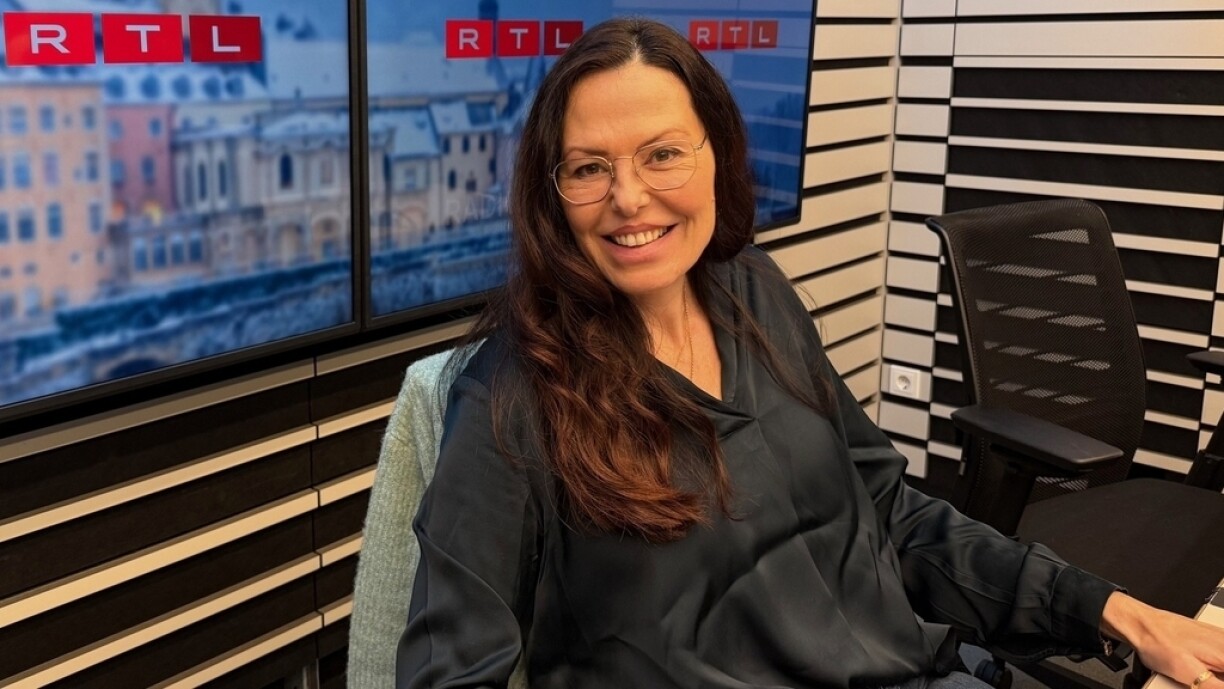
On Wednesday morning, our colleagues from RTL Radio spoke with Nadja Bretz, director of counselling service SOS Détresse, about the growing issue of suicide among young people.
For 50 years, SOS Détresse has provided anonymous phone and online counselling to individuals facing life crises or emotional struggles. In 2024 alone, the service handled around 3,700 calls.
Bretz, a trained psychologist and psychotherapist, noted a concerning rise in calls related to suicidal thoughts. While she acknowledged that reduced stigma around suicide has encouraged more people to seek help, "which is a good thing," she also pointed to increasing levels of depression and anxiety in society as a key driver of this trend.
SOS Détresse relies on 70 volunteers, 60 of whom are actively available for phone and online support. In 2024, the service responded to over 900 emails, "a significant number" but a 50% drop in users compared to the previous year. Bretz explained that the team has been analysing this decline and believes the launch of ChatGPT in 2023 may have played a role. She suggested that some users may now be turning to AI models for conversations instead of human counsellors.
Bretz described ChatGPT as "only the tip of the iceberg," highlighting the proliferation of AI-based apps that offer virtual companionship. She noted that secondary school teachers with whom she is in contact have confirmed that some students talk to AI models every day.
As a psychologist and psychotherapist, Bretz has "of course" personally tested ChatGPT and acknowledged its empathetic responses and ability to maintain coherent conversations. When she mentioned suicidal thoughts, the AI even recommended reaching out to SOS Détresse.
However, Bretz cautioned that while OpenAI, the company behind ChatGPT, collaborates with ethics committees and mental health professionals around the world, users should remain vigilant. She warned that misinformation deliberately fed into AI algorithms can lead to harmful outcomes.
Bretz confirmed that the Covid-19 pandemic marked a turning point for society. Since then, there has been a notable rise in the number of people reaching out to SOS Détresse due to feelings of loneliness. In 2019, the organisation recorded approximately 350 such conversations, a figure that more than doubled to around 700 during the pandemic. Even as restrictions eased, the numbers have not significantly declined, with SOS Détresse now averaging between 550 and 600 such calls. Bretz described this trend as a lasting consequence of the pandemic.
In this context, SOS Détresse highlights the impact of social media on younger generations, noting that it often leads to a decline in face-to-face interactions. While initiatives like Club Senior, which cater to the elderly, have proven popular and effective, similar opportunities for those aged 20 to 50 remain scarce. Bretz suggested that creating dedicated meeting spaces for this demographic could help foster social connections and address the growing issue of isolation.





