A reform of shop opening hours will come into force in mid-June in Luxembourg. From Wednesday, 19 June, Luxembourg shops that wish to do so will be allowed to open as early as 5am and close as late as 9pm.
For many retailers, this means they can extend their usual opening hours, which have until now typically run from 6am to 8pm.
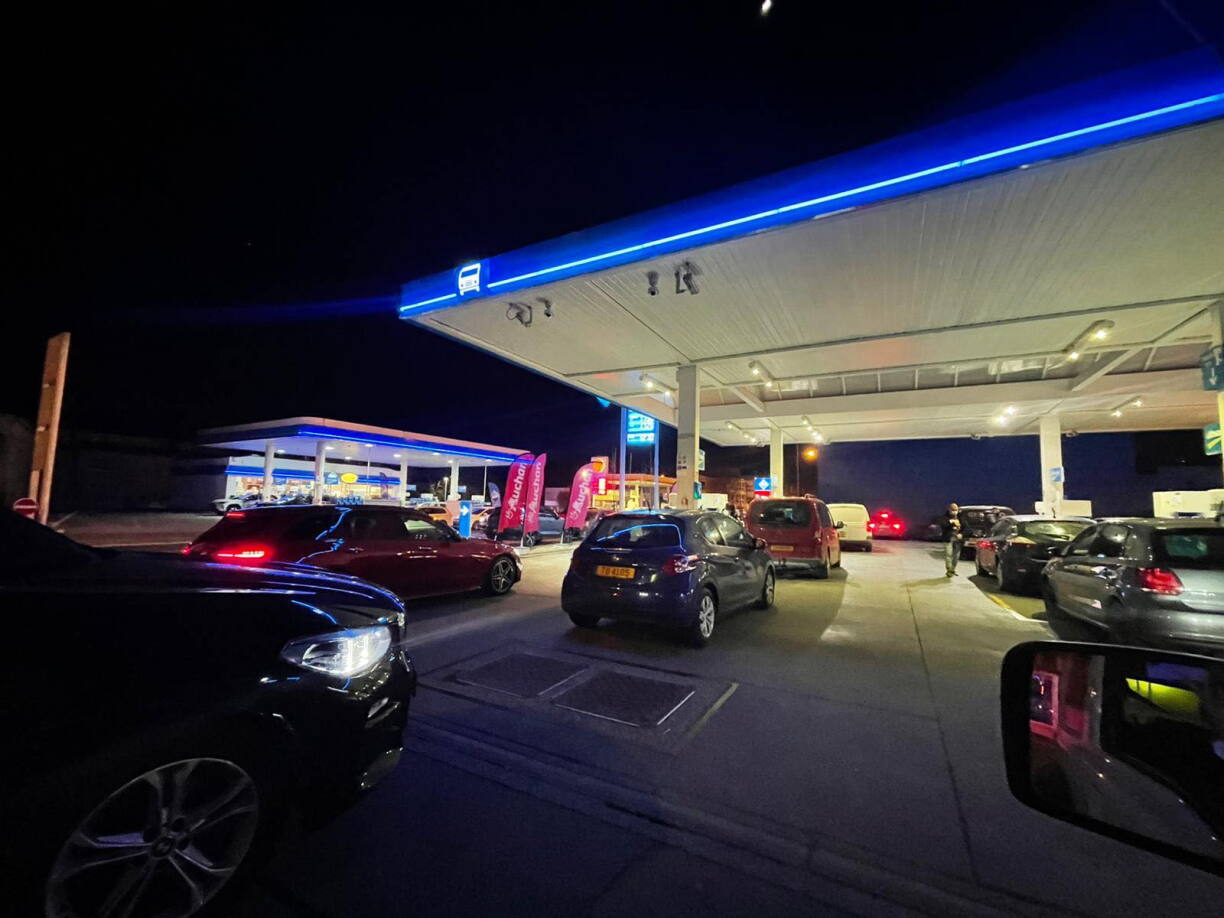
However, for petrol station shops, opening hours will not always increase in line with the new law, the Energy Mobility Luxembourg Group (GEML) and the Federation of Service Station Operators (FESS) explained on Friday. Both organisations noted that while opening hours may change at many sites, the situation will not be the same everywhere.
Both GEML and FESS emphasised that under the general rules set out by the law, both regular shops and petrol station shops will be permitted to open during the following time slots, with some exceptions and possible exemptions for certain locations:
In practical terms, many service stations that previously operated with longer opening hours, especially in the evening or at weekends, "may have to adjust their schedules", as both organisations note. This is set to affect shops at service stations that used to close at 10pm or later, and which may now have to close at 9pm instead.
For consumers, this means that from now on, opening hours will need to be checked station by station, as both organisations explain.
Fuel will continue to be available around the clock at stations equipped with payment machines. Electric charging points will also remain accessible at all hours wherever they are installed.
GEML and FESS explained that the law does provide for exceptions and the possibility of special exemptions. Collective agreements or special circumstances may allow for longer opening hours in some cases.
In addition, most service stations are operated by independent businesses. The specific application of these new rules will therefore depend on the individual situation of each operator, and on the decisions taken by the different companies involved.
As a result, the situation is likely to evolve over the coming weeks and months.
The question remains as to how this reform will be implemented across the service station shop sector.
These businesses now do much more than just sell fuel: according to GEML and FESS, many service station shops "provide essential local services" for motorists, shift workers, emergency services, professional drivers, and electric vehicle users.
The two organisations have stated that they "will continue their dialogue with the authorities" on this issue.





