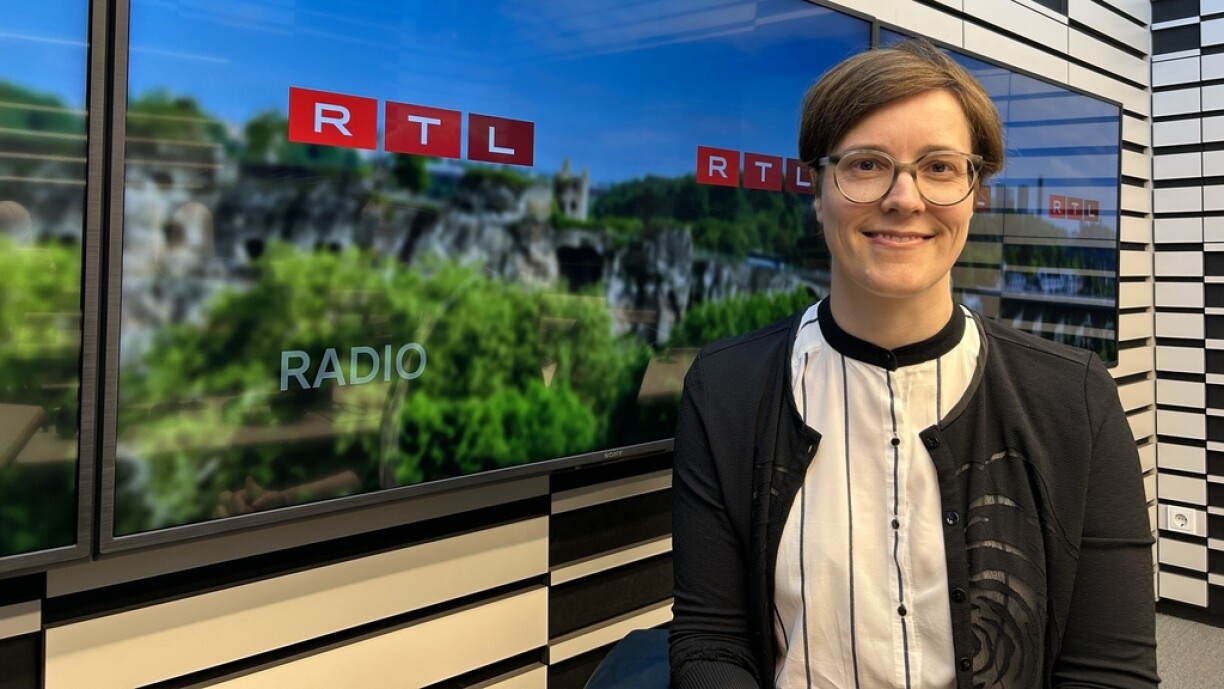
Nathalie Keipes, director of the Centre for Psychosocial Support and Educational Assistance (SePAS), expressed concern about growing problematic media use during a Wednesday interview on RTL Radio. "It's worrying because this trend is unlikely to end," she stated.
While noting that Luxembourg's youth generally report well-being levels consistent with the EU average - based on a 2022 study of 11-18 year olds – Keipes highlighted emerging concerns: "Most young people are doing well, but we're seeing increased reports of nervousness, sleep deprivation, and feelings of loneliness."
SePAS, available in all Luxembourg secondary schools, assists students with issues ranging from stress and anxiety to peer conflicts, including bullying. Keipes observed these conflicts increasingly involve "a digital component."
The director particularly emphasised the rise in problematic smartphone use: "We need greater awareness about excessive social media consumption and its addictive potential – aspects that remain poorly understood." She advocated for comprehensive education in schools covering how social media operates, its impacts on behaviour and concentration, and its risks of causing social isolation and emotional dysregulation.
Keipes identified 13-14 year olds as especially susceptible, noting multiple concerning symptoms. These young people show reduced frustration tolerance and increased irritability, along with diminished concentration spans. Their real-world social skills appear weakened, while their self-image and confidence often suffer negative effects.
Keipes emphasised the importance of establishing mobile-free zones in schools, comparing the initiative to smoking bans implemented two decades ago. "Just as we prohibited smoking in restaurants and public buildings for health reasons," the need for clear boundaries regarding smartphone use has now arisen, she explained. These zones should be "well-defined to become normalised in daily life."
The director stressed that awareness efforts must extend beyond schools. Parents play a crucial role as role models since "children mirror their behaviour" and should therefore also monitor their own screen time. She offered specific guidance for parents: complete screen avoidance before age three, no personal smartphones before 12, and open conversations about social media usage between ages 12-14. Parents should regularly discuss and monitor their children's phone habits, including usage duration and content.
Keipes outlined a spectrum of bullying behaviours, from verbal insults to physical assaults, emphasising that schools must intervene at the first signs of distress. "All violent incidents require police notification and immediate response," she stated, particularly when physical violence occurs or when recordings circulate online, as these constitute criminal matters.
In serious cases, Keipes stressed that school administrations must take unambiguous positions: "Beyond declaring zero tolerance, we must actively reinforce values of respect and tolerance to reassure the school community."
Lënster Lycée's neurology specialist raises awareness to the dangers of media consumption





