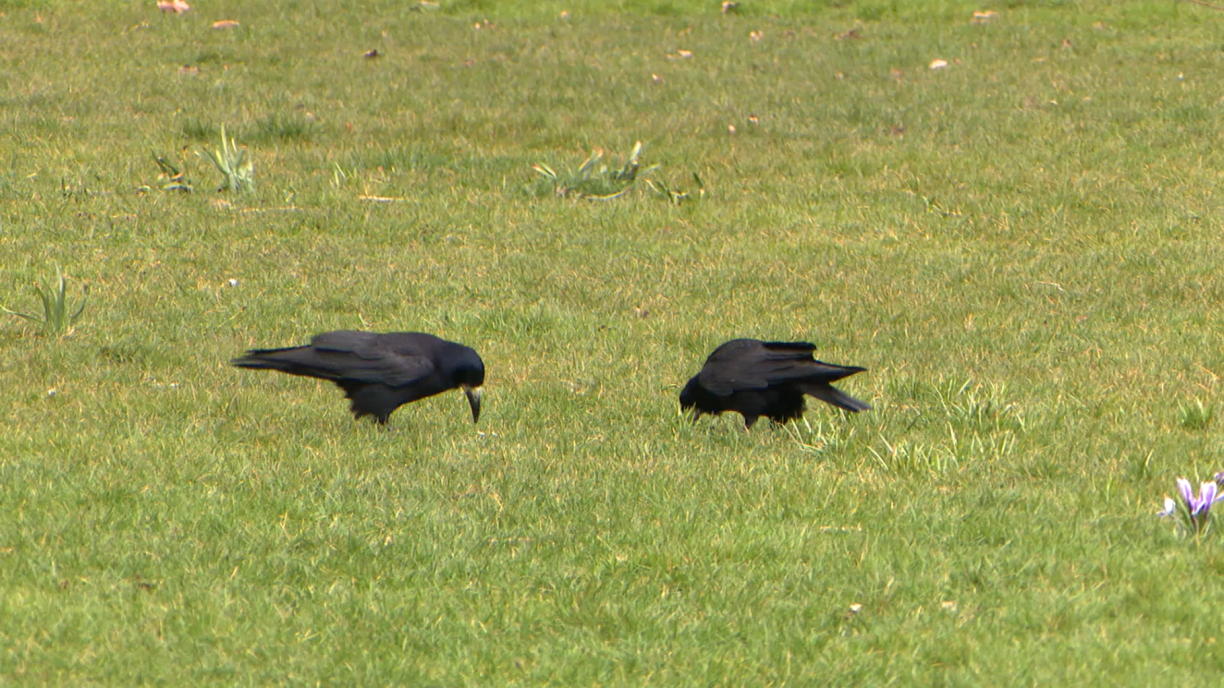
The Nature and Forest Agency has confirmed that the dead rooks discovered in Bonnevoie were poisoned. The agency has launched an investigation, emphasising that it is treating the case with utmost seriousness.
Poisoning rooks constitutes a double offence, violating both animal protection and environmental protection laws. The Veterinary Inspection warns that such acts pose risks not only to wildlife but also to humans and pets. The investigation is being led by the mobile unit of the Nature and Forest Agency, a specialised enforcement body for environmental law violations.
If poisoned birds are found in time and brought to the Wildlife Care Dentre in Dudelange, they may recover after treatment.
The Environment Agency reiterated that killing wild animals is strictly prohibited, noting that all wild birds in Europe are legally protected – with only a few invasive species exempt. There is no doubt that the incident between Bonnevoie and Howald was illegal.
The Veterinary Lab confirmed the presence of poison, detecting traces in the birds' beaks and nearby grains. Félix Wildschutz, head of the Veterinary Inspection, observed that the dosage appeared to have changed, corroborating earlier reports from a wildlife station veterinarian that recent cases resulted in longer recovery times for affected birds.
The Veterinary Inspection has issued a cautionary advisory, urging pet owners in the affected area to keep dogs on leashes and prevent cats from consuming potentially poisoned birds. Parents are also advised to supervise children playing near meadows.
The perpetrator behind the poisonings could face severe penalties if caught, as rooks are protected under Luxembourg's environmental laws. Carole Back, head of the mobile enforcement unit, emphasised that such violations carry heavy consequences – including prison sentences of up to three years and fines reaching €750,000.
The Nature and Forest Agency is actively gathering evidence and reaffirmed its commitment to pursuing the case rigorously.





