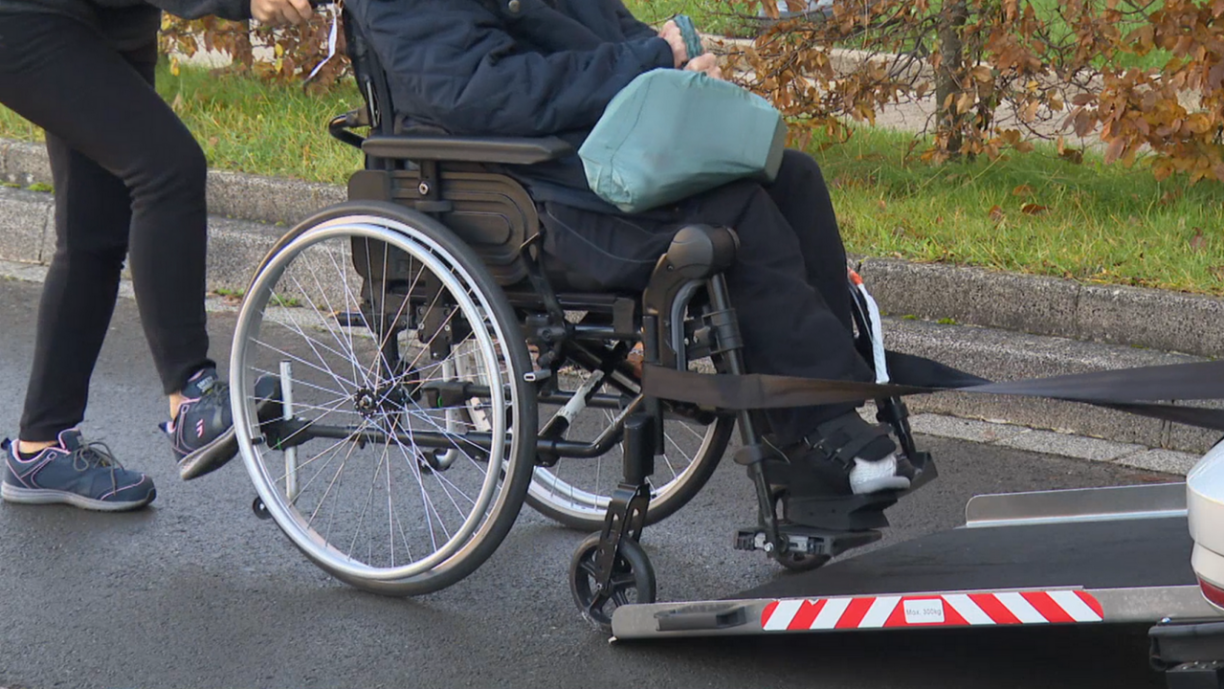
In 2008, the National Federation of Patient Transport (FNTM) was founded, made up of 13 companies offering non-emergency patient transport, such as transporting patients from one hospital to another. For years, the FNTM has requested a legal framework for these ambulance companies to allow their services to be reimbursed by the National Health Fund, but the date, the CNS has refused any negotiations.
In 2018, the FNTM contacted the CNS over a newspaper advertisement, but was told that the Fund could not participate in negotiations for a convention. The CNS brought up three arguments which the FNTM could not fully comprehend, saying that it was unclear that the FNTM was representative of the sector, meaning there could be no legal basis. Secretary Michel Simonis argued that the federation is indeed representative and it was not their fault there was no legal basis, and went on to criticise the third argument for not being convincing:
"The third point was a bit weird, I have to say, as the CNS admitted that for whatever reason, it had given another provider a contract, in this instance the Air Rescue. They financed the Air Rescue through that contract, which is actually no longer the case. But they used this to say they could not agree two different contracts."
The convention with the Air Rescue service came into being in the 90s. Last year, procedures were agreed among the Luxembourg Air Rescue, the CGDIS and the country's hospitals to regulate charges related to patient transport.
With the CGDIS' creation in 2018, the FNTM had hoped to make use of the advancements within the sector, but decided to wait for a new law to come into force based on that year's government coalition agreement. However, this new law has still not come to pass, six years on, although it is believed to be in the hands of the Council of State. The FNTM says it welcomes the bill, but believes certain points could be improved, such as qualifications for ambulance paramedics.
"There is a framework in this law, but it must also account for training. Then we have to ensure the right people are trained, that we even find people for the roles in the first place, so we can ensure vehicles are staffed by people with the right qualifications. The vehicles are designed to transport people with varied medical issues, so they can't just have a driver, they need someone who is trained in first aid, for example, or someone who can respond to more difficult situations depending on the patient's condition."
The federation is due to hold talks with health and social security minister Martine Deprez at the end of the month.





