Luxembourg's environmental organisation Mouvement Ecologique has called on the government to avoid broad energy price subsidies and instead focus support on financially vulnerable households while accelerating the country's energy transition.
In a position paper published in the context of tripartite discussions, the organisation argued that public funds should not be used to artificially lower fossil fuel prices for all consumers, warning that such measures risk delaying climate goals and reducing Luxembourg's resilience to future geopolitical crises.
Mouvement Ecologique said any measures agreed during the tripartite negotiations should be compatible with Luxembourg's decarbonisation objectives and avoid creating incentives to continue relying on fossil fuels. It specifically opposed a general reduction in the prices of fuel oil, petrol, and diesel, arguing that lower fuel prices would undermine climate policy and represent a "waste of public money".
Instead, the organisation called for targeted assistance for low-income households affected by rising energy costs, including measures such as a mobility tax credit. It stressed that households with lower incomes spend a larger share of their earnings on energy and should receive specific support.
The group expressed support for state intervention to limit electricity costs, arguing that electricity will play a central role in the transition away from fossil fuels through technologies such as heat pumps and electric vehicles. However, it suggested that public funding should increasingly be directed towards investments in energy infrastructure, including grid expansion, rather than simply subsidising consumption.
Mouvement Ecologique also criticised what it described as Luxembourg's slow progress in meeting its climate and energy targets. It said the country remains far behind its objectives in areas such as heating decarbonisation and electric mobility despite significant public spending on energy price stabilisation since Russia's invasion of Ukraine.
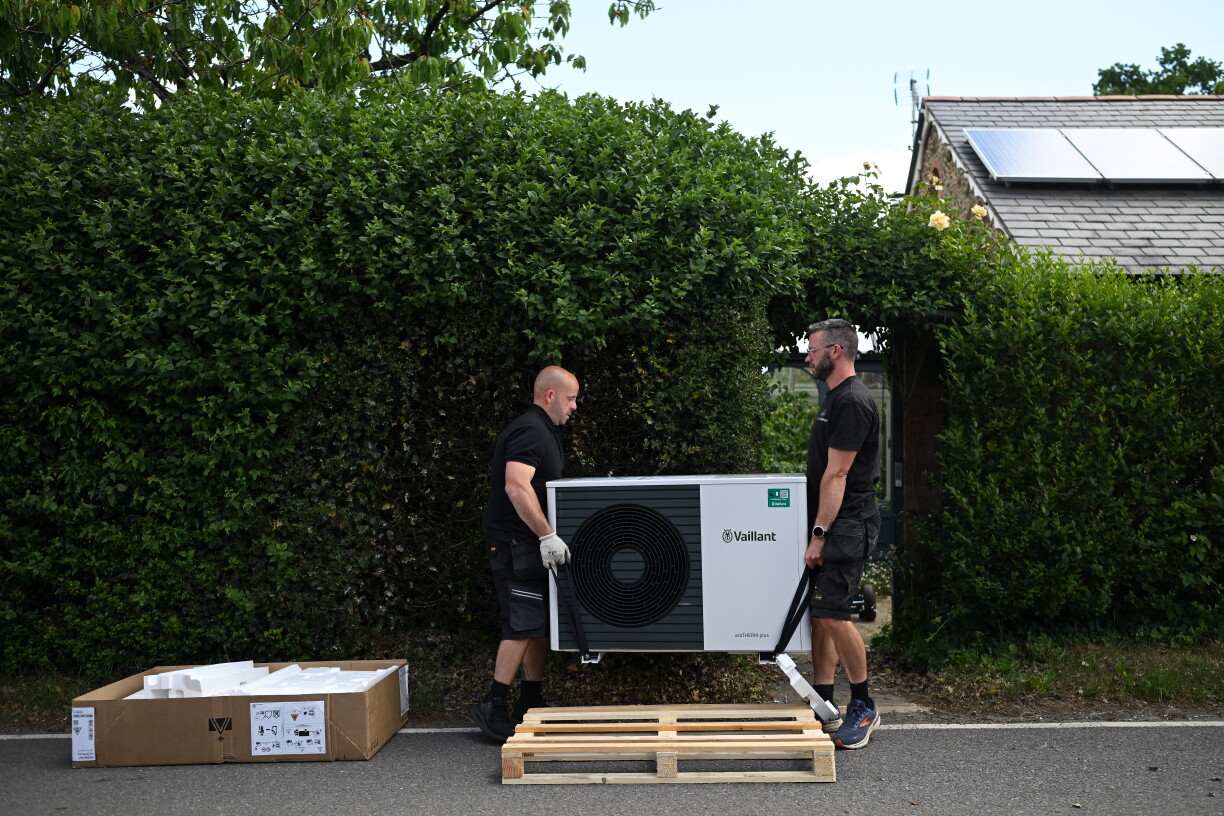
Among its recommendations, the organisation called for a nationwide "heat transition offensive", including stronger support for heat pumps, a rapid rollout of district heating networks, tax reductions on electricity used by heat pumps, and a new version of the 'Klimabonus Wunnen' housing subsidy scheme. It also urged the government to introduce pre-financing for heat pump installations before the summer and remove administrative barriers to building renovations.
The organisation further proposed expanding social measures linked to the energy transition, including the introduction of social leasing schemes for electric vehicles and heat pumps, increased support for vulnerable households, and targeted renovation programmes in lower-income neighbourhoods.
Beyond energy policy, Mouvement Ecologique called for reforms in agriculture to reduce dependence on global markets, including stronger support for organic farming, changes to agricultural subsidies, and an expansion of locally sourced food programmes in public institutions.
The organisation also urged greater transparency in the tripartite process, calling on the government to publish additional STATEC analyses on the impact of potential energy price increases on inflation and indexation. It argued that access to this information is essential for an informed public debate.





