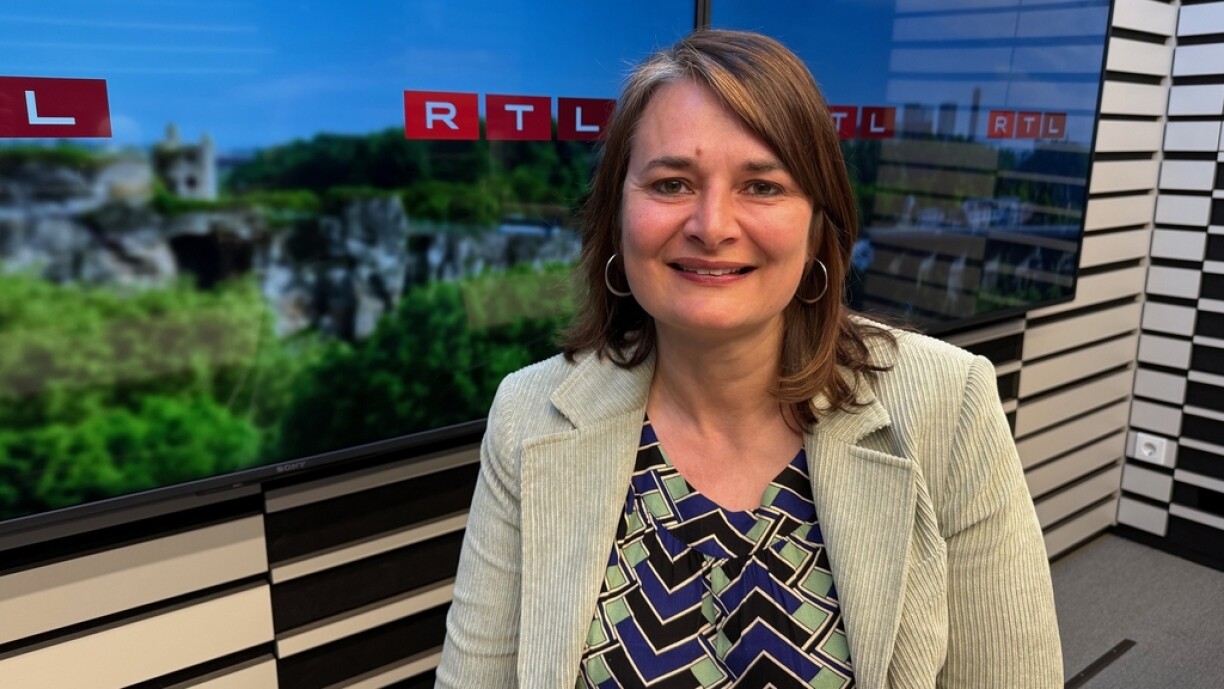
Dr Martine Schaul, head of Luxembourg's Forensic Violence Documentation Unit (UMEDO), explained to our colleagues from RTL Radio on Wednesday how the service helps domestic violence victims who might be hesitating to involve police.
As part of the National Health Laboratory (LNS), UMEDO allows victims to anonymously document injuries and preserve evidence for potential future legal action.
UMEDO examines and records recent visible injuries – including bruises, bite marks, and DNA evidence. Records are maintained for a period of ten years.
The unit specifically serves adults (18+) whose cases have not been reported to police. Otherwise, evidence collection falls under police jurisdiction.
While UMEDO received about 100 calls in 2024, only 28 situations led to examinations. This is consistent with its annual average of 25 cases. Data from the past seven years shows 137 total cases, with 90% involving women aged 30-50. Men are also occasionally affected but represent a significant minority. Dr Schaul noted most patients are highly educated. Overall, the service requires language proficiency, mobility, and the autonomy to initiate the process.
Dr Schaul identified limited public awareness as UMEDO's key obstacle, particularly among vulnerable groups like refugees. In difficult parts of society, UMEDO remains "practically unknown." She noted that charities and phone interpreters currently bridge this gap for marginalised communities. She regretted that the service lacks resources for targeted outreach.
Dr Schaul also highlighted the emotional toll, noting that medical examiners frequently have to watch patients return to the abusive situations that caused them to seek the help of UMEDO in the first place. While upholding strict confidentiality through medical secrecy, staff also educate victims about additional support options.
According to Dr Schaul, it is not known how many people actually end up using UMEDO records to go to the police and potentially file a complaint. She did note, however, that over a period of seven years, 28% of UMEDO patients requested a copy of their file.





