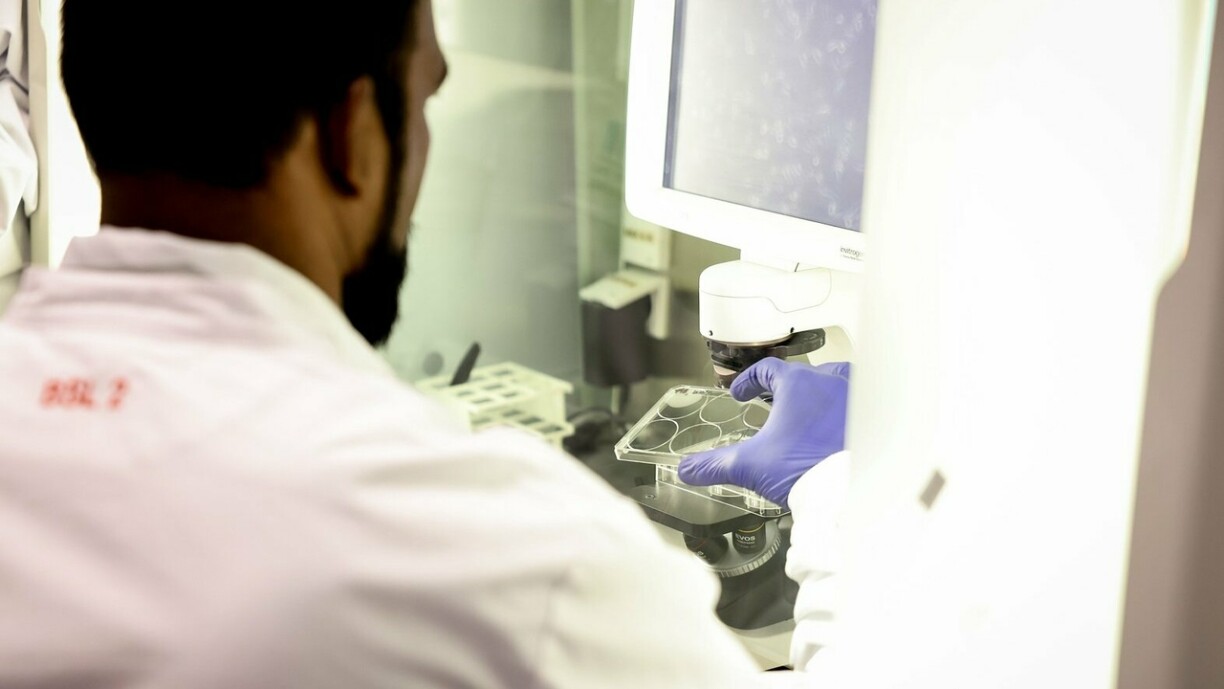
Despite recent advances in research, Parkinson’s disease continues to raise many unanswered questions. In the past, symptoms such as a stooped posture or trembling hands were often dismissed as signs of ageing. Today, although much remains to be discovered, patients benefit from clearer and more accurate diagnoses.
Two years ago, scientists from Luxembourg and Japan made a major breakthrough in diagnosing the disease. It was found that people with Parkinson’s can no longer produce a specific type of protein. This protein begins to form clumps inside cells, eventually paralysing them and rendering them non-functional.
In 2023, the international research team made a pioneering discovery: they identified traces of these protein clumps in the blood of patients. They also developed a method that allows even small amounts of the protein to be made visible to the human eye; a crucial step forward in early detection.
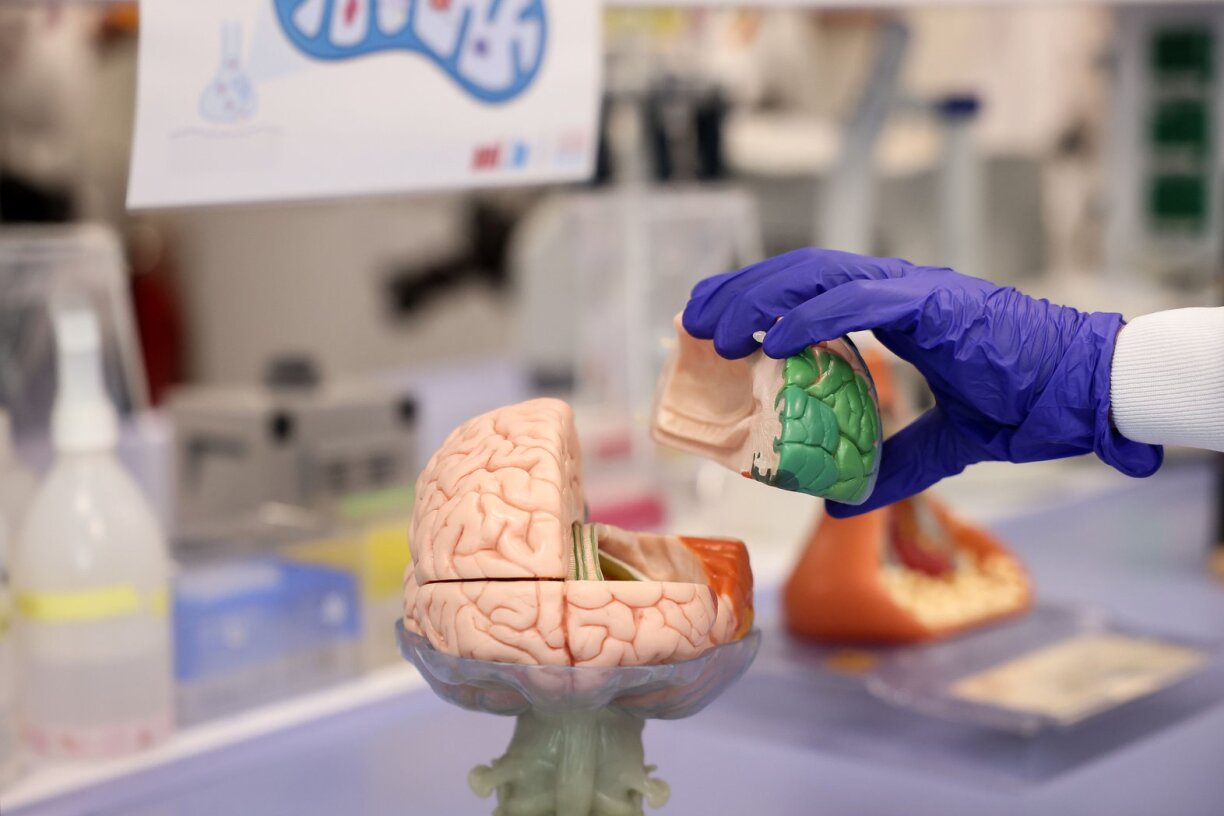
This breakthrough was made possible through the ongoing work of the National Centre of Excellence in Research on Parkinson’s, a Luxembourg-based research hub that has been advancing scientific understanding of the disease for over a decade. Each year, the centre works with around 900 Parkinson’s patients and their biological samples.
The centre emphasises the importance of regular consultation – not only for patients’ own health, but also for the advancement of research. Many questions remain unanswered, such as how various symptoms are interconnected. As researchers note, “It remains a mystery why someone becomes ill in the first place.” Even the progression of the disease – whether rapid or slow – remains unpredictable.
One critical aspect of advancing research is the donation of brain tissue from deceased Parkinson’s patients. Parkinson’s can only be diagnosed with complete certainty through post-mortem brain analysis. Professor Rejko Krüger of the Luxembourg Institute of Health explains that stored samples have confirmed a key discovery: only individuals with Parkinson’s show specific protein clots in their blood. These clots have now been identified as a reliable biomarker of the disease.
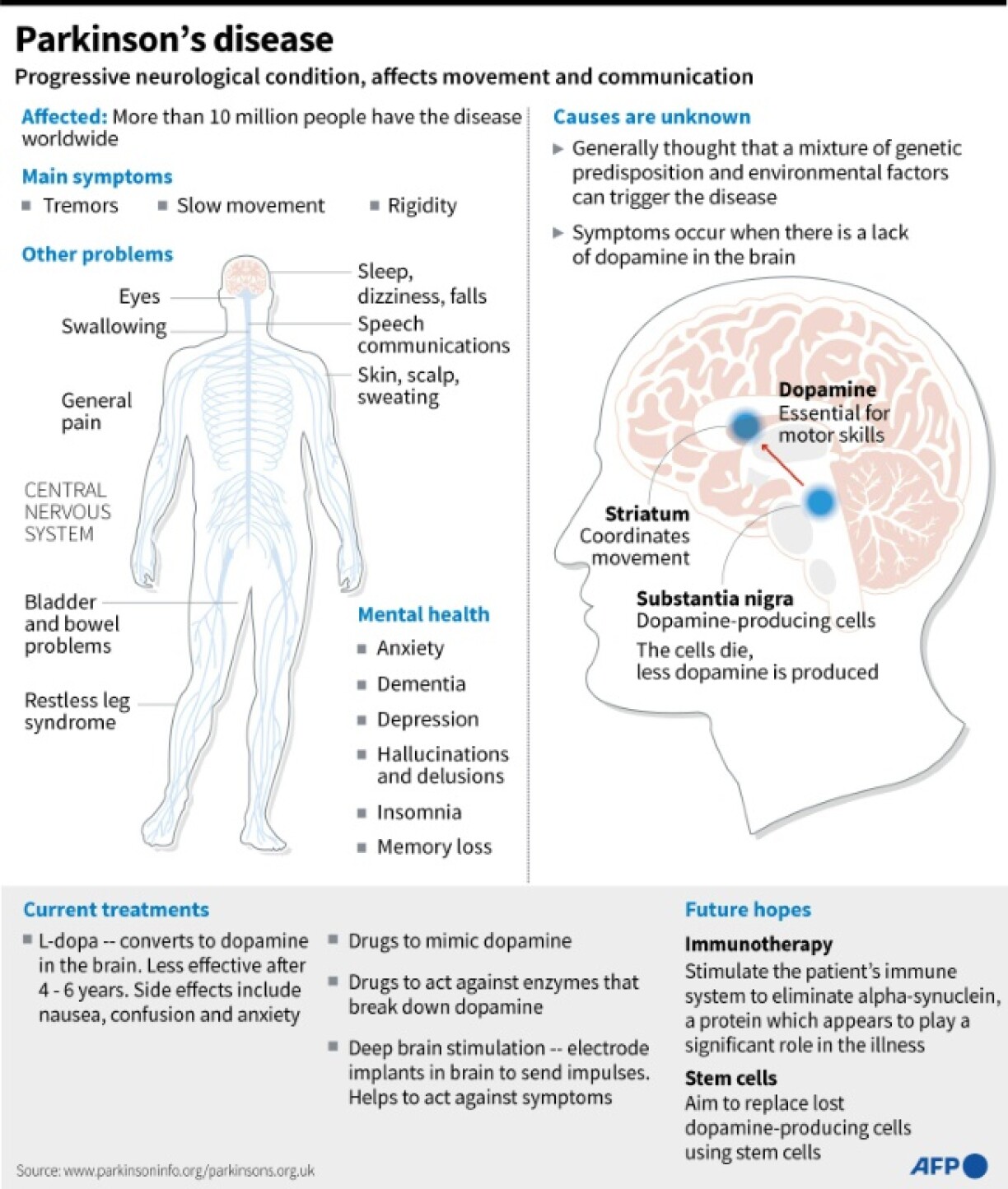
Since the 2023 breakthrough, researchers have been investigating whether the identified biomarker can be detected in the blood before symptoms appear. If confirmed, this could open the door to developing treatments that intervene before the disease takes hold. People with elevated risk factors, such as loss of smell, disrupted sleep patterns, or chronic constipation, could be tested and treated early.
The continued success of Parkinson’s research in Luxembourg relies heavily on strong participation in clinical studies. Scientists are currently seeking both Parkinson’s patients and healthy volunteers to help deepen understanding of this complex neurological disease.
Further information is available on the website of the National Centre of Excellence in Research.





