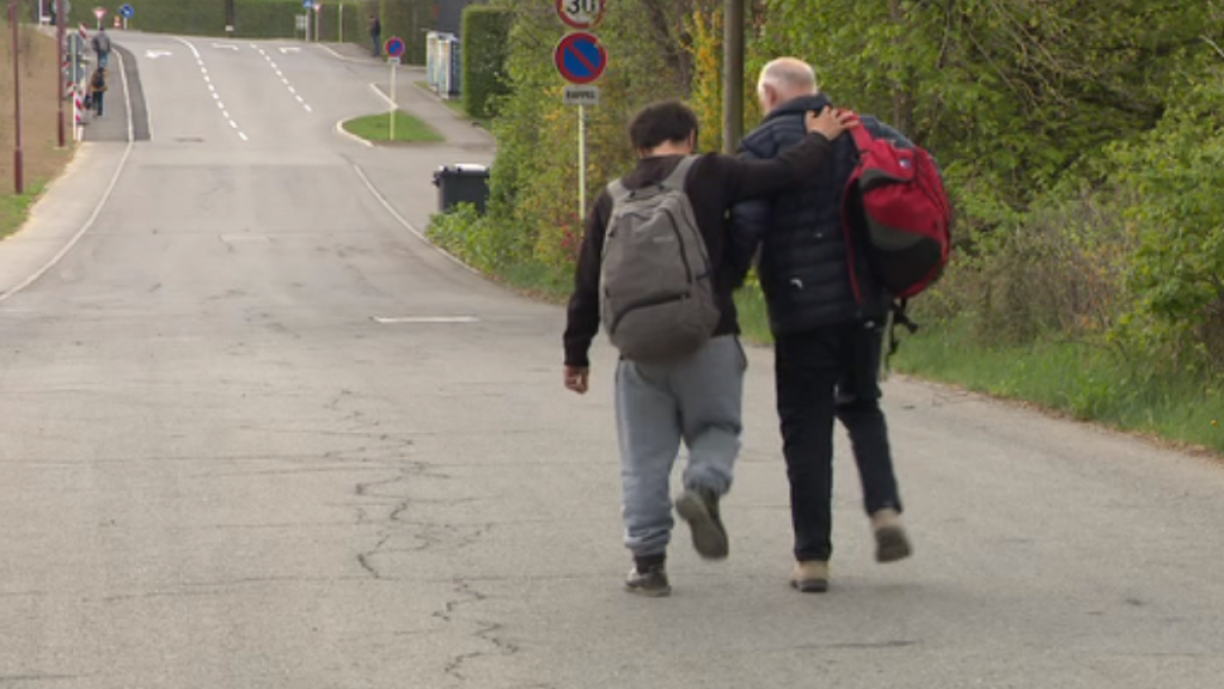
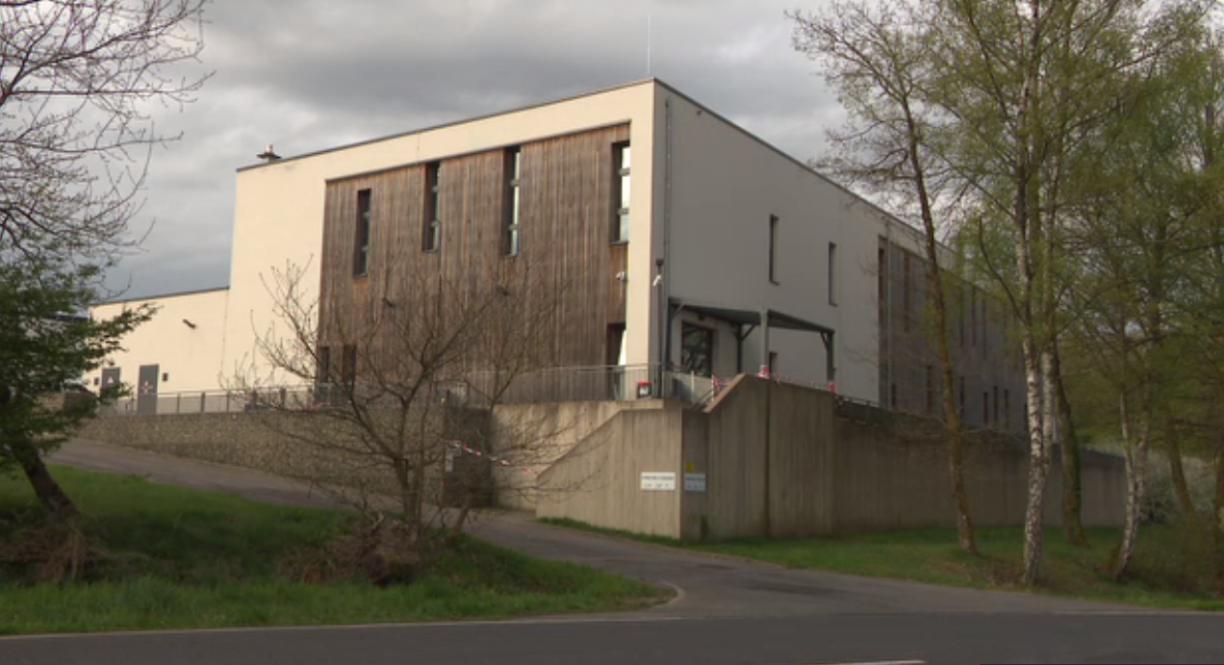
Luxembourg's annual "Wanteraktioun" winter shelter programme ended Tuesday after providing overnight accommodations for homeless individuals during the winter months. The 2024-2025 edition, which launched on 15 November, operated at increased capacity this year with 300 beds at its Findel Airport-area facility – up from 250 previously – plus an additional 30 beds in army-supplied tents.
On the final morning, our colleagues from RTL Radio observed a dozen individuals with minimal belongings gathered outside the structure located between Route Principale and Rue de Neudorf.
The facility, marked by an "Emergency structure" sign displaying logos of partner associations Interactions, Red Cross, and Help on the Ground (HUT), primarily served adults of varying ages and backgrounds. Most appeared indistinguishable from local workers aside from their limited possessions, which rarely exceeded a backpack. Notably, one attendee departed with a German Shepherd – a recently permitted accommodation under the programme's revised pet policy.
As the winter shelter programme concluded Tuesday, attendees expressed gratitude for the temporary respite while confronting harsh realities of homelessness. Alain, a four-month resident, now returns to life "on the streets, with cardiac issues and no home" – a transition that also cuts his Social Inclusion Income (REVIS) benefits, which require a registered address.
"It's a vicious cycle," Alain told our colleagues, praising the initiative but criticising systemic gaps. He cited overcrowding at alternative shelters like Ulysse home as evidence that "those at the top haven't understood how badly people are struggling." His next stop: homeless charity Stëmm vun der Strooss.
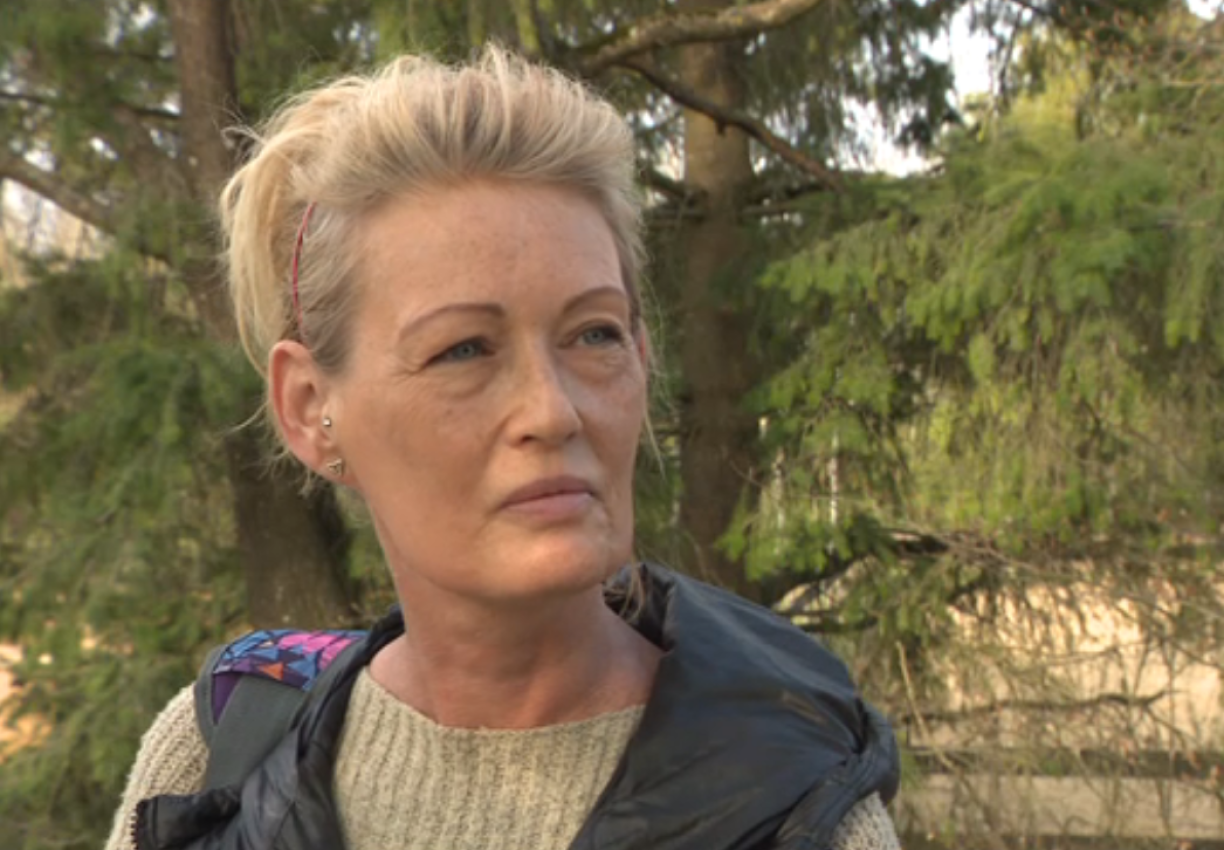
Other guests faced distinct challenges. Linda, robbed of her phone by an ex-partner, couldn't contact post-shelter support services. Though grateful for 12 weeks of "really nice" care, she acknowledged the difficulty of everyone having to leave at the same time.
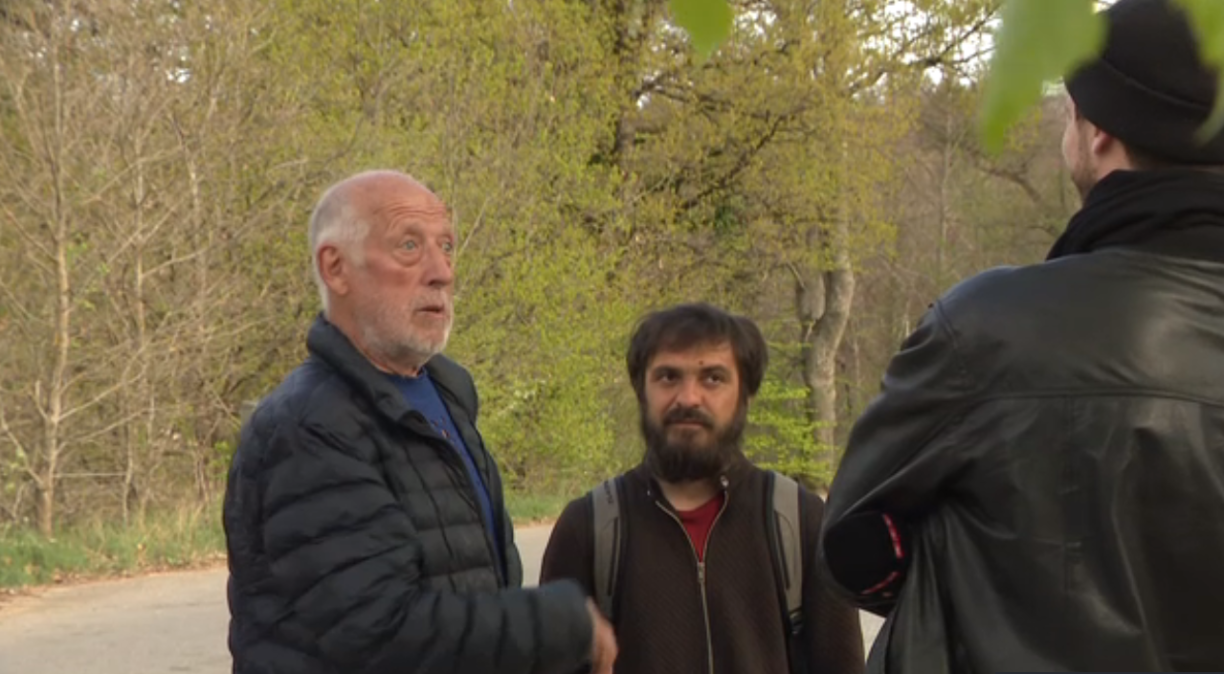
Meanwhile, self-described "rich poor person" Jeff maintained humour despite his house burning down – his reason for staying two weeks. His friend Alexi Pietro, a Ukraine-to-Luxembourg migrant with an Italian background, summed up their outlook: "It isn't easy. That's today's politics for you: day by day."
This season's Wanteraktioun saw peak occupancy of 292 guests, operating under controversial new criteria from the Family Affairs Ministry that limited first-time arrivals without established Luxembourg ties to three-night stays.
While partner organisation Interactions defended the policy – noting they use the window to arrange returns – and Minister Max Hahn's office emphasised exemptions during subzero temperatures or life-threatening conditions, the rules drew criticism from advocacy group "Solidarity with Beggars," the Left Party (Déi Lénk), and the Consultative Commission on Human Rights (CCDH).
Over the years, the Democratic Party (DP), including Luxembourg City Mayor Lydie Polfer, has repeatedly criticised that many non-residents without ties to the capital or the country use Luxembourg City's social services, claiming that expanding the offer would only increase demand.
However, this theory does not really hold up as there has been no real increase in the offer. The "Ulysse" home offers only 52 beds and while there are "housing first" programmes, their scope remains limited. But in spite of this, demand continues to rise.
Workers from the social sector also sounded the alarm in an anonymous open letter.
Read also
Life on the streets: Luxembourg City's homeless share their stories
Debate over Winter Action policy: Luxembourg government faces backlash for tightening access to emergency shelter at Findel Airport





