The food pyramid is a familiar concept to most people, serving as a guide to balanced eating by dividing foods into six distinct categories.
While the United States updated its recommendations earlier this year, advising, for instance, a higher intake of protein, Luxembourg has also recently reviewed its own food pyramid.
However, Anne Marx, a dietitian at the Ministry of Health, explains that there have been no changes to the underlying nutritional science. Luxembourg’s food pyramid is regularly reviewed, but typically only minor adjustments are made.
Recent changes to Luxembourg's food pyramid have focused mainly on representation and practical guidance rather than altering nutritional advice.
For example, images of plastic water bottles have been replaced by glass bottles or taps to encourage people to drink tap water rather than water in plastic bottles.
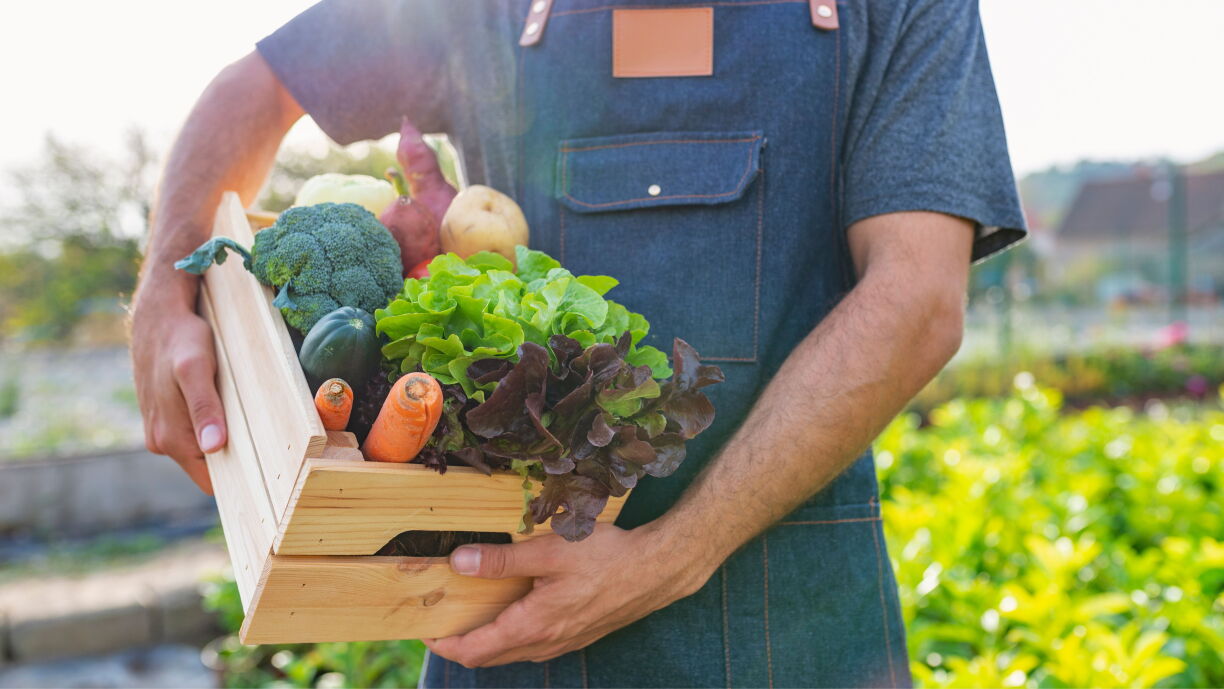
The illustrations for fruit and vegetables now highlight more local and seasonal options, and remove items like pineapples that must be transported from afar.
The updated pyramid equally reflects changing eating habits in Luxembourg, as more people are adopting vegetarian or vegan diets.
To better align with these dietary trends, vegetarian protein sources have now been incorporated into the protein category of the food pyramid, Marx says.
School canteens overseen by Restopolis continue to place a strong emphasis on balanced, healthy meals. The menus prioritise fruit, vegetables, and plant-based proteins, a focus that has been maintained for several years.
Local, organic, and seasonal ingredients are prioritised wherever possible. When it comes to drinks, schools offer tap water or beverages in glass bottles, helping to promote a more sustainable approach.
Recent changes have also seen students being served desserts without added sugar several times a week. This reflects the principle of the food pyramid, which places sugar at the top to emphasise that it should only be consumed in small quantities.


