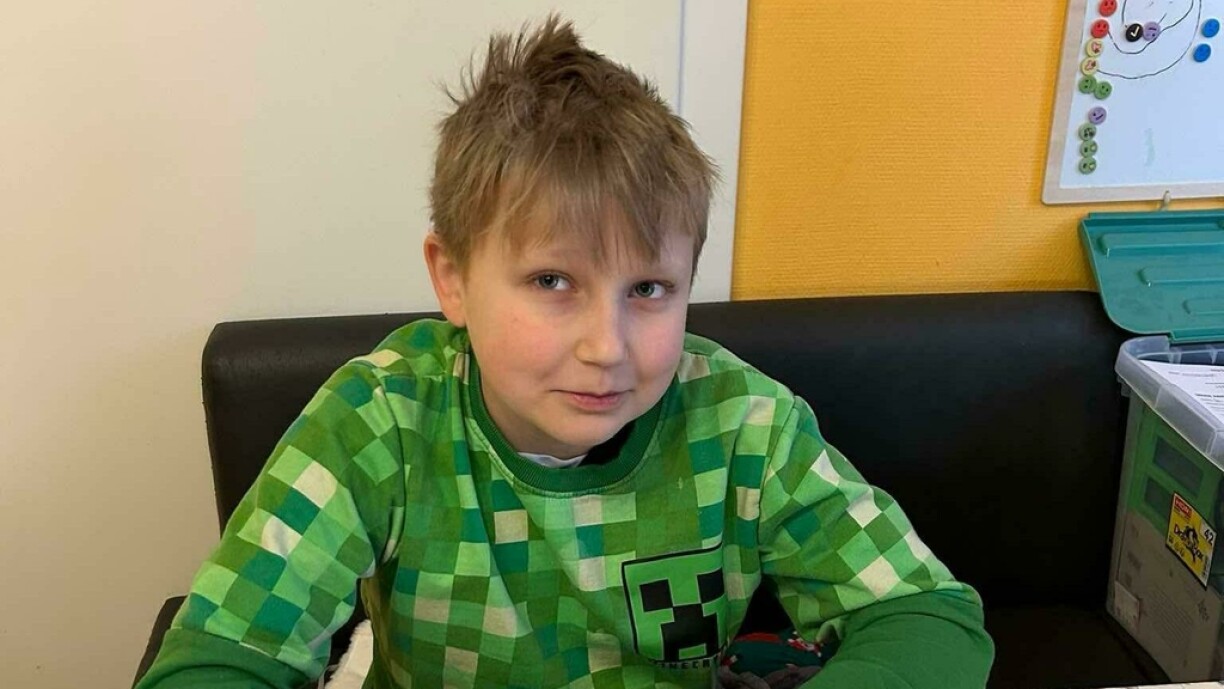
Liam is one of five siblings. When he started kindergarten, Tania quickly noticed he was different from the other children. She suspected autism and took the initiative to find a child psychiatrist. After several tests, the initial suspicion was confirmed. About a year later, with support from the Luxembourg Autism Foundation, they received an official diagnosis in writing.
Liam has difficulty communicating with others and is deeply focused on a few specific interests. He relies on a clear daily routine and needs to be prepared well in advance for anything that deviates from it. This was evident during the visit at RTL: Tania brought Liam and her daughter to the editorial office and prepared Liam for the visit days ahead. With strangers, he acted shy and reserved.
However, after the interview with our colleagues at RTL Lëtzebuerg and a tour of the radio and TV studios, which fascinated Liam because of his strong interest in technology, he spoke enthusiastically about everything he had seen on the journey home with his mother and sister – typical behaviour for someone with Asperger's.
For Tania Thommes, her son's autism diagnosis came as no shock – and certainly not as a problem. Liam is one of her five children, and she sees him like the others, even if his needs are sometimes different. But while life at home works well, the real challenges, she says, come from outside – particularly at school.
"He managed to get through the second year of kindergarten, even though it was already tough for him, especially when his teacher was replaced mid-year," Tania explains. But the transition to primary school proved overwhelming. Liam shut down completely. "He just didn't want to go to school anymore. For months, I went with him every morning. After one hour, it was already too much."
Despite efforts, the school was unable to support Liam properly. He missed a significant number of hours, and the teachers soon hit their limits. That summer, Tania made a major decision: she would homeschool her son.
Their aim remains to eventually reintegrate Liam into the school system. But it's not easy. Teachers often lack the training or resources to support children with specific needs. Nevertheless, the family is working hard – with the school –to find a path forward.
When asked about the day-to-day challenges of raising a child with autism, Tania doesn't hesitate. "At home, we're fine. Liam is one of five children, and we've always just adapted together. The diagnosis was never a problem for us as parents."
The problem, she says, is society.
"People always talk about inclusion, but in reality, it often doesn't exist. We're seen as strange because our son has autism. Then we hear things like, 'But he doesn't look autistic.' But what is an autistic person supposed to look like?"
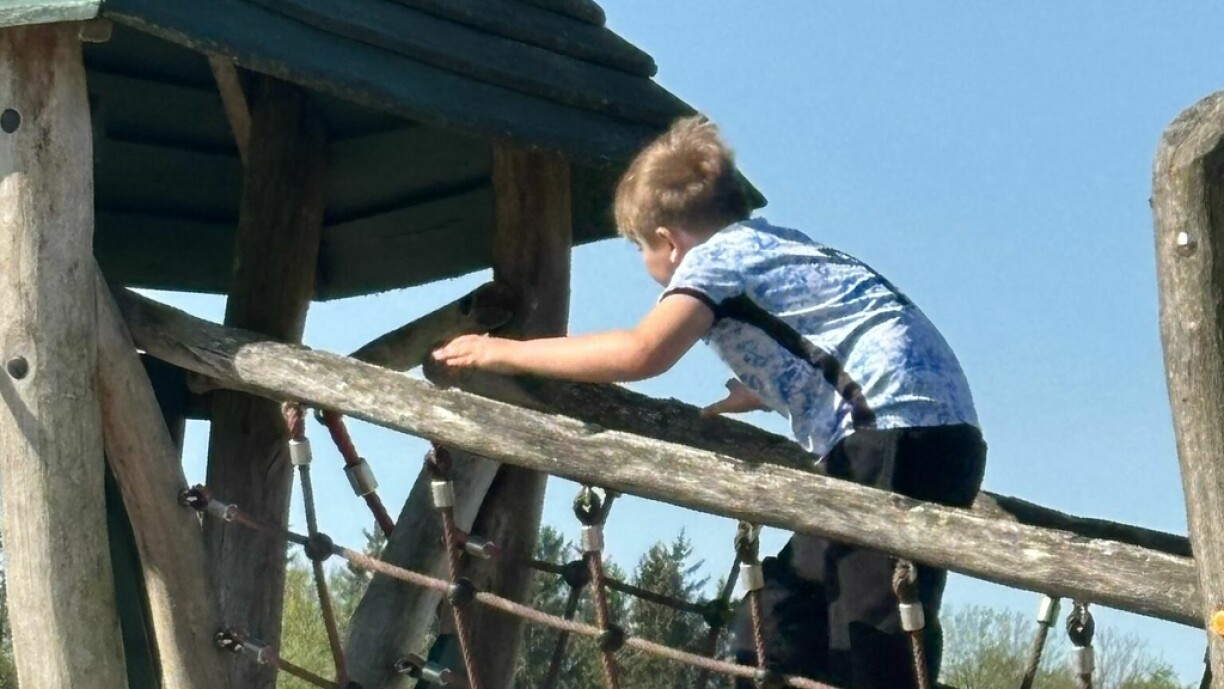
What's missing, Tania believes, is simple: acceptance. Not just for children with autism, but for all people with special needs. And that's the message she wants to share.
"More understanding from the outside makes everything easier – not just for the child, but for the whole family."
Children and autism in Luxembourg: The current response
The rise of autism and how we understand it
Giftedness, Autism, ADHD: Overlaps & misdiagnoses with Dr Henderika de Vries
Opinion: Autism doesn't 'destroy', but the stigma around it does





