Energy price subsidies are likely to be extended in some form next year, Prime Minister Luc Frieden announced following Tuesday’s meeting between the government, employers, and labour unions.
However, recent media interviews with OGBL President Nora Back and LCGB President Patrick Dury have highlighted some differences, particularly regarding fuel subsidies at the pump.
During Tuesday’s tripartite follow-up meeting, Luxembourg’s Energy Commissioner warned that interventions in fossil fuel prices could increase dependence on such energy sources and pose risks to supply security.
OGBL President Nora Back, speaking to 100,7 radio, emphasised the need for a compromise that supports people, curbs inflation, and addresses environmental concerns, especially in light of this summer’s climate events.
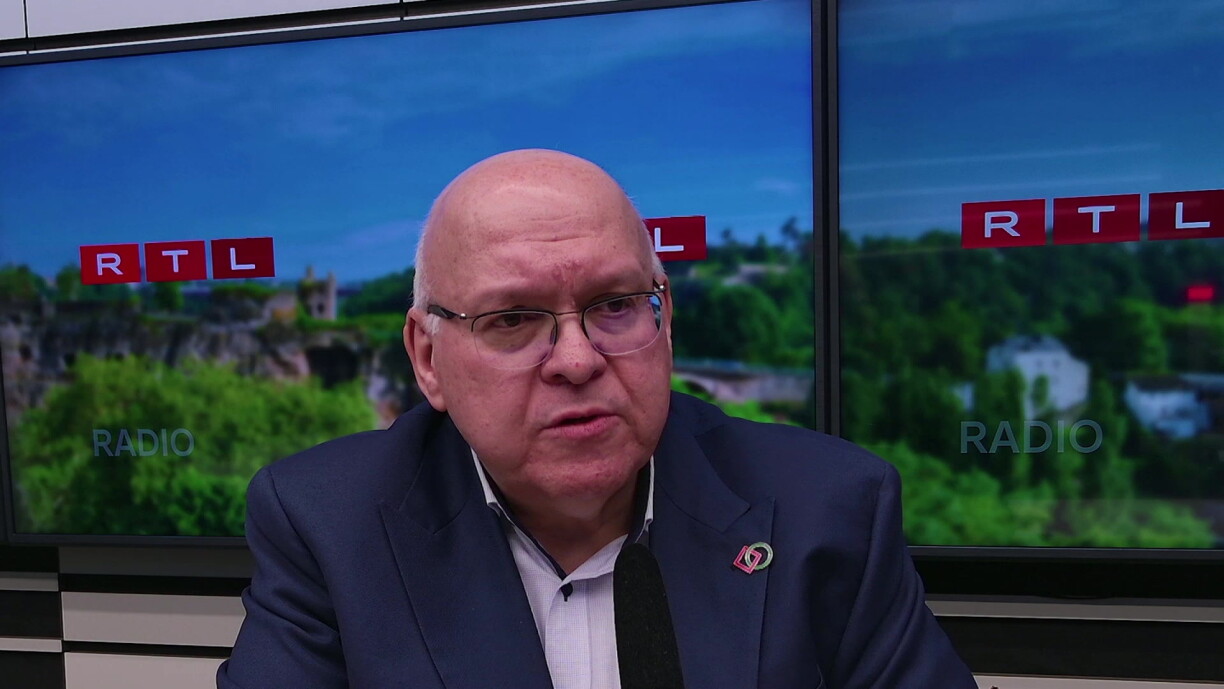
By contrast, Patrick Dury of the LCGB told RTL that he opposes a targeted approach to subsidies, and argued that Luxembourg should increase its physical reserves of fossil fuels to reduce dependency.
Different statements, then, or at least different emphases? After her interview, Nora Back told RTL by phone that there is no real disagreement among the unions.
She stated that all unions agree action is needed, though there is not yet consensus on the precise measures to be taken, and emphasised that she and Patrick Dury recognise the importance of supporting those who rely on fuel.
Both union presidents confirmed that the labour union alliance remains united and will attend the next round of talks together next Thursday.
A key reason some advocate for a more targeted approach to subsidies is the concern that broad measures, such as blanket fuel subsidies, also benefit higher income groups.
LCGB President Dury noted that the tripartite framework is not a "magic solution" that can resolve every issue, and suggested that any necessary adjustments be made through higher taxation on high incomes rather than through subsidies.
At the same time, Dury emphasised the importance of maintaining purchasing power.
Drawing on historical experience from the steel industry, he pointed out that wage cuts were only accepted in times of absolute necessity, and argued that, to avoid a worsening crisis, people’s purchasing power must be preserved.
Finally, Dury also highlighted the crucial role of cross-border workers in keeping Luxembourg’s economy running. For both union leaders, reaching agreement with the government and employers on strengthening job security remains a top priority.
Looking ahead to the next meeting, both the LCGB and OGBL presidents expressed confidence that progress can be made. Dury also mentioned that the tripartite’s follow-up committee on housing is scheduled to meet on Monday.


