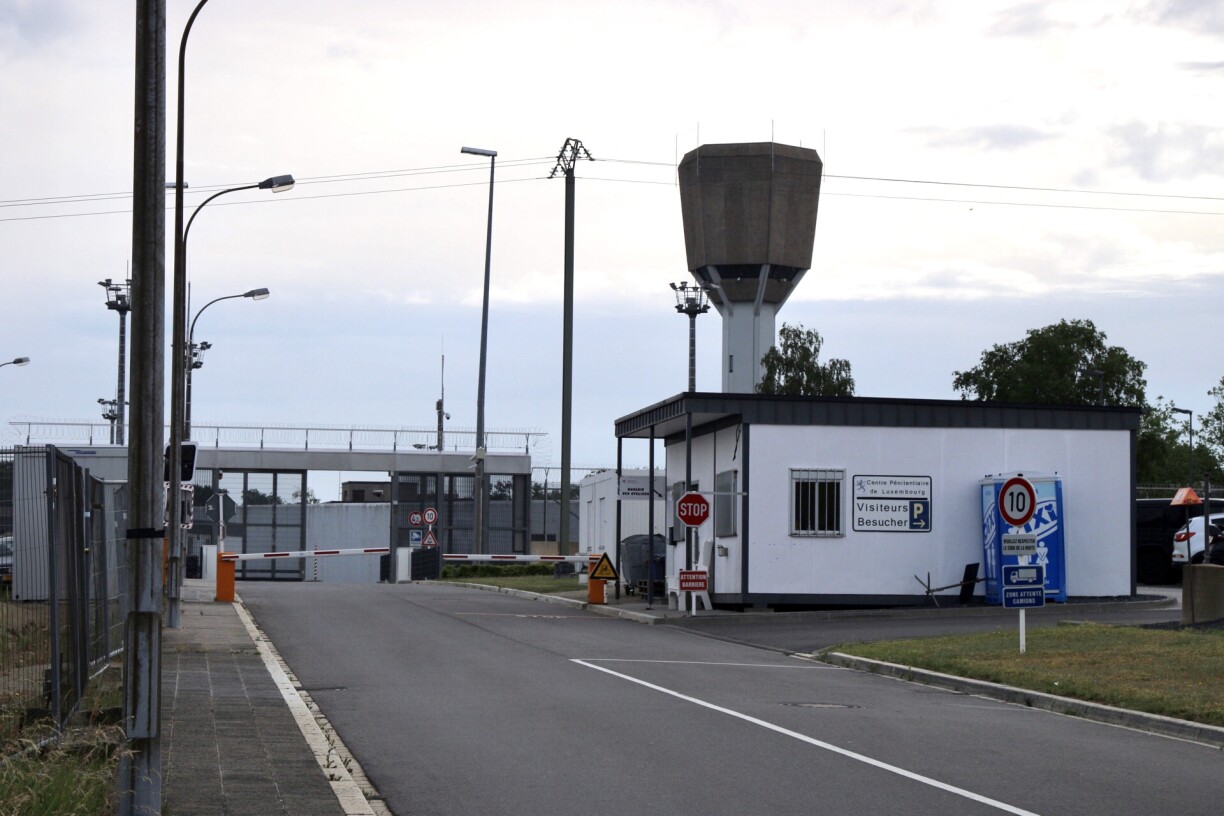
On 18 August, the non-profit Eran, eraus… an elo? ("In, out… and now?") expressed their concern regarding the implementation of visiting rights at the Schrassig Prison. The association pointed out that not only was the number of visiting hours "drastically reduced" due to the pandemic, but unmonitored visits were suspended entirely. The non-profit fears that this situation could have an "enormous impact" on the prisoners' mental health as well as their families.
The letter of a lawyer to Joke Van Der Stricht, the director of the penitentiary, echoes these observations. In the letter, Frédéric Mioli expresses the grievances of one of his clients, who is currently a prisoner at Schrassig Prison. Regarding visits, Mioli stresses that the conditions are "incompatible" with respect for his client's dignity and the latter's visitors.
The letter details the problematic conditions, specifying that the client's family visits are currently taking place in the common room in full view of everyone. In addition, during the visit, the prison officers exercise conspicuous surveillance, which "destroys any hope of even the smallest bit of privacy", the lawyer states, adding that his client is only allowed to see his family for a maximum duration of half an hour.
Part of the reason for this are the sanitary conditions, which some would consider normal for prison life. But for Mioli, it is not a question of pleading only for the comfort of the prisoner. The lawyer stresses that his client is "the father of a little girl, currently 31 months old".
This girl, Mioli argues, must have the possibility to maintain "at least a base-line relationship with her father" and his client must be allowed to establish "a real paternal bond" with his daughter. Especially since the lockdown separated them "for about fifteen months".
Creating family ties despite the walls is essential for both children and prisoners. A report by the ombudsman on places of detention also stressed that family visits (with family members, life partners, or children), but also intimate visits, are "an essential element in preserving social ties and thus in successful reintegration". This report was "transmitted to the authorities concerned" in January 2020.
When contacted by our colleagues from RTL 5 Minutes, ombudsman Claudia Monti reaffirmed the importance of contact with relatives, explaining that "a prisoner without a visit is not balanced". Two prisoners contacted the Ombudsman at the beginning of August about this issue, and she remains "attentive" to the problems related to Covid-19.
The prison authorities had to adapt quickly in 2020, which Monti welcomes. She also said she admires the inmates "who have shown patience and restraint". However, it is taking a long time for visits to the Schrassig Prison to return to normal.
The prison administration has to do what is necessary to avoid a Covid cluster, which would be "a big problem in prison", Monti justifies, especially as the authorities are responsible for the health of the prisoners. This is why visitors have to comply with the CovidCheck system.
This is also one of the reasons given by the prison administration to the ombudsman to justify the continued suspension of unsupervised visits, as the guards "have to make sure that the prisoners and their visitors keep their masks on".
"We are waiting to see what happens," Monti explained, adding that she has been assured that the prison administration "will do their best". She also reiterated that her office would like to see the application of the law of 20 July 2018, which guarantees the option of unsupervised visits, as soon as the sanitary conditions allow for it. This right is not always fully granted to prisoners and is important for their reintegration into society.
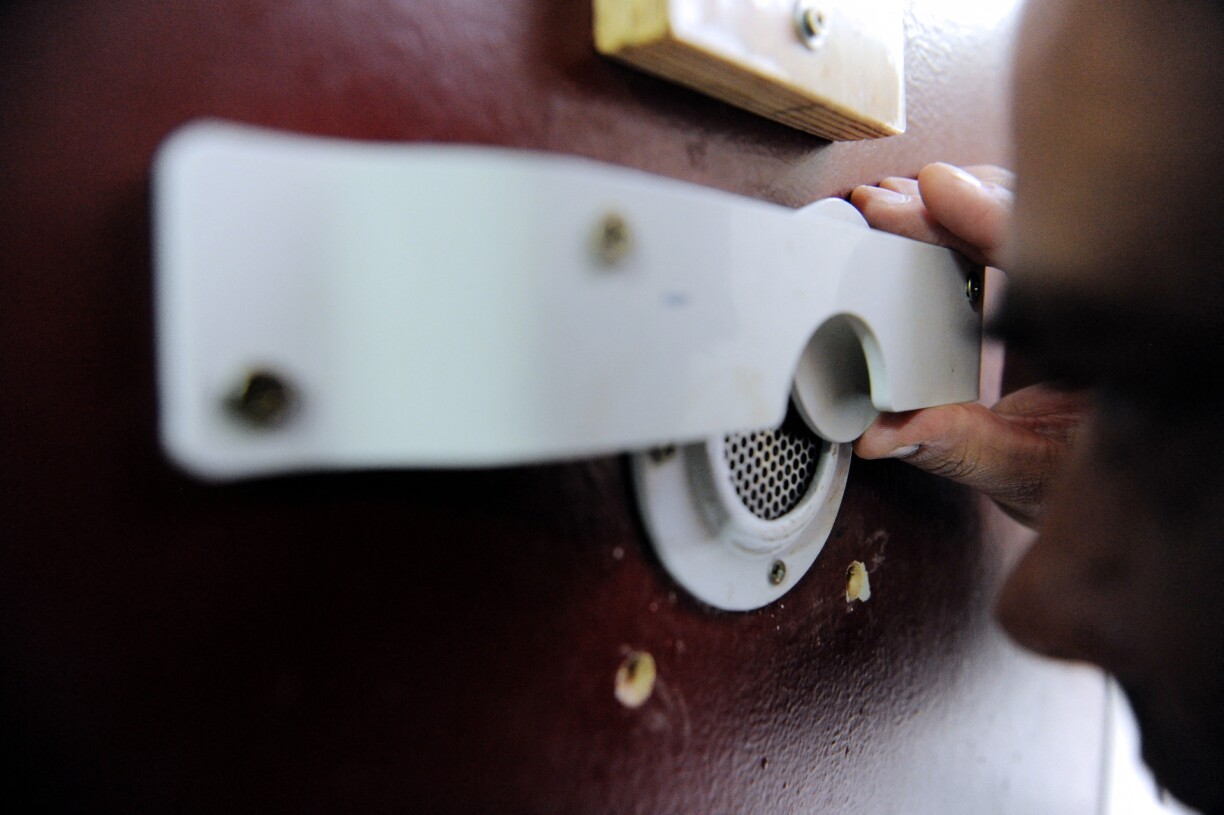
For its part, the prison administration confirmed that unsupervised visits are "not possible at present" due to health control. The premises are also considered unsuitable by the decision-makers. The 2018 law should therefore only be fully applied with the opening of a second prison "at the beginning of 2023". The administration assures to "try to give as much freedom as possible", because it is aware that family ties "are important".
Frédéric Mioli has "no answers yet" to his client's complaints. He noted that since the health crisis, visiting rights have been "problematic" and that this creates "a lot of tension". The lawyer is aware that everyone has to make an effort, but in view of the length of time and the implementation of the CovidCheck system, there is hope for "a bit of leniency".
Currently, none of the more than 550 inmates at the Schrassig Prison are infected. Ten new arrivals are in quarantine for the time it takes to pass two PCR tests in six days.





