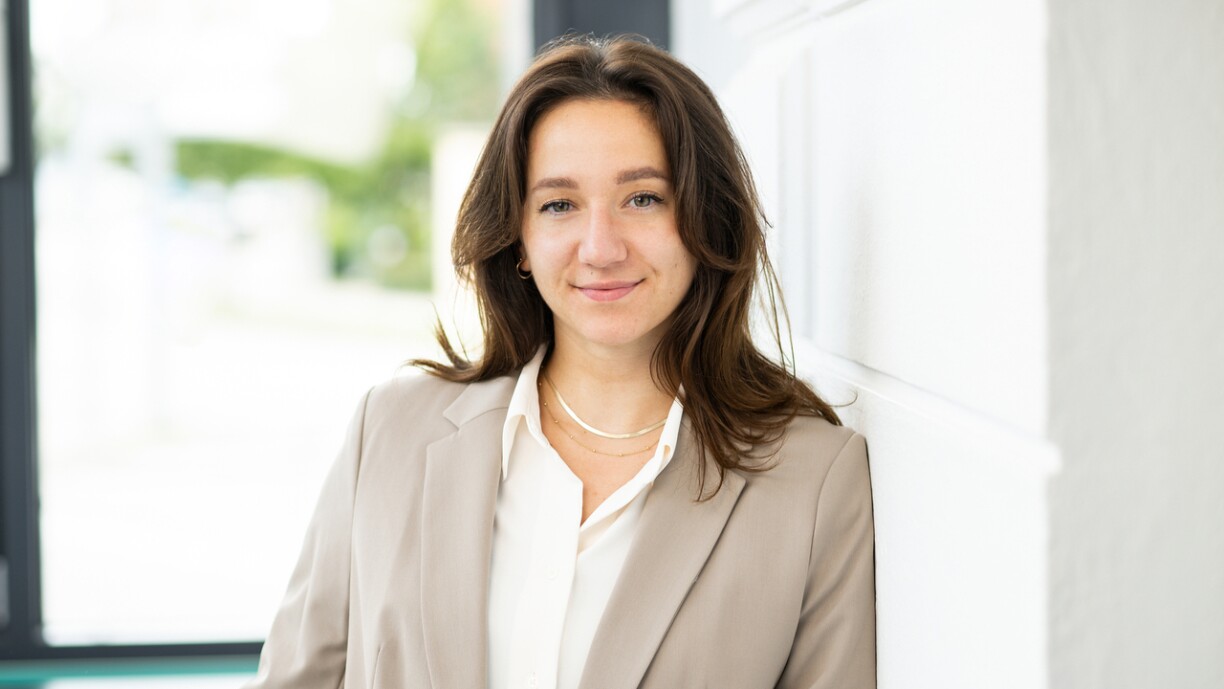
Julie Zangarini was drawn to medicine by her fascination for the human body. President of the Luxembourg medical student association for many years, she is now working on her doctoral thesis, as well as for the German Red Cross blood donation department. In a few months, she will start her specialisation in anaesthesiology in intensive care and emergency medicine at Heidelberg University Hospital.
"I still find it exciting how thousands of processes occur in the body at the same time. I have always been fascinated by emergency medicine and as a child I liked to imagine myself working as a paramedic. I was also influenced by my mother, who worked as a nurse in an intensive care unit."
For the past two decades, there has been an increase in the number of women studying medicine, compared to men. Nevertheless, sexist assumptions still remain in society, Julie says.
"I'm often mistaken for a nurse, despite wearing my lab coat. During my studies, male fellow students would be mistaken for doctors, while the female doctor treating the patient would be taken for a nurse."
Statistics show that although 70 percent of women study medicine, just 37% reach the level of senior doctor, or "Oberärtztin", in Germany. The rate is even lower for higher positions.
During her studies, Julie was advised to choose a specialisation that would be considered more 'family-friendly', such as general medicine, for example.
"There are very few women studying surgical subjects. It is still firmly entrenched in people's minds that being a surgeon is a male profession. On several occasions, I was told in the operation theatre that surgeons need a lot of strength, ruling it out as a career for women."
It will take time until a change in mentality occurs in society. Now, however, women need support, specifically when they aspire to leadership positions. The problem is not that the medical profession isn't suitable for women, Julie says.
"The problem is more that structures in hospitals have been historically skewed towards men. Now it's time to address this and implement concrete changes, such as new service models, double peaks, and so on. In Luxembourg, the fact that people in the medical profession are allowed to work half-days is a good first step."
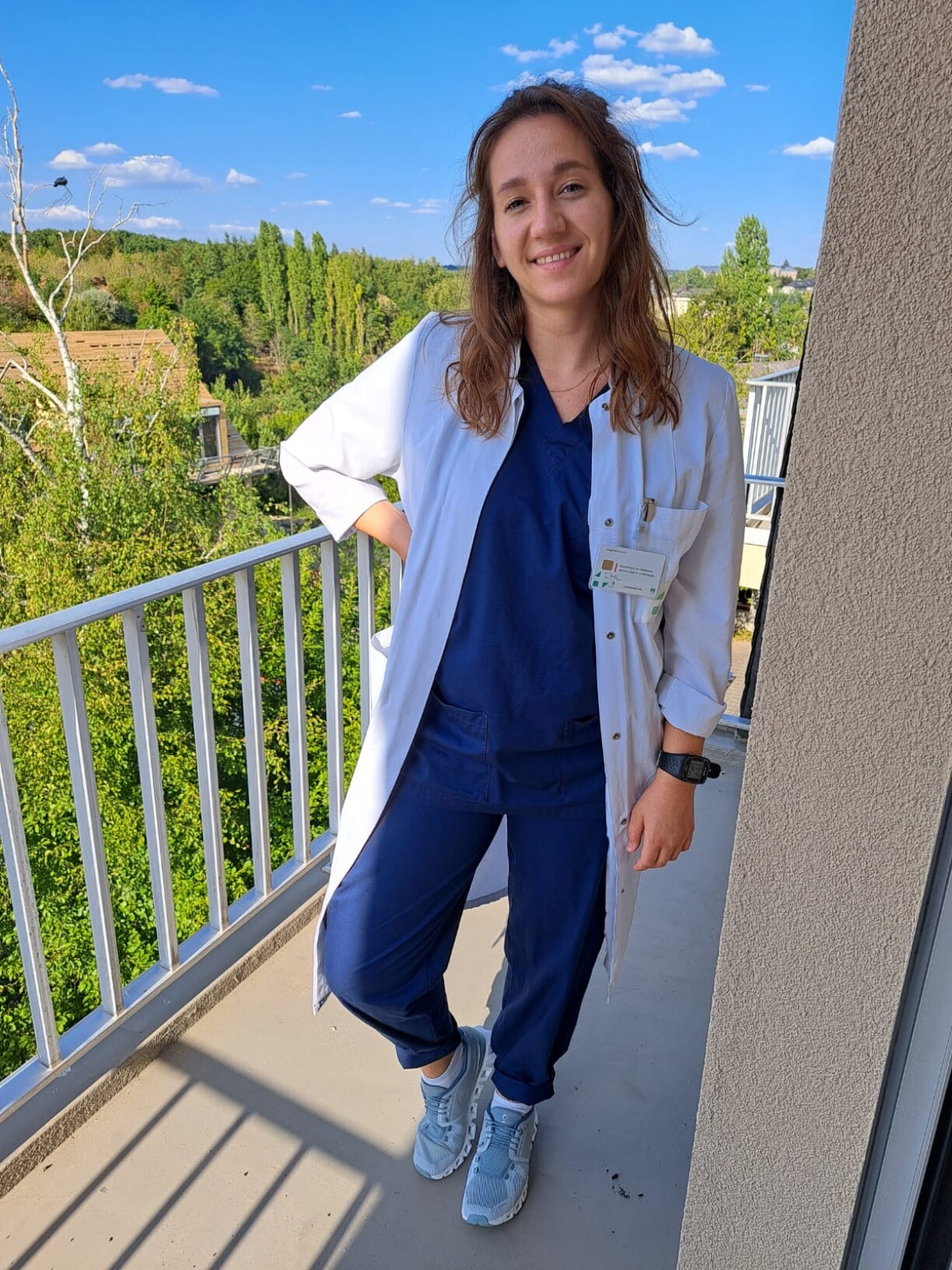
When women fall pregnant, they are often treated differently in many disciplines. Even though they may not stop working immediately, they are often forced to put their careers on hold. Julie believes it is possible to continue working as a doctor, albeit with a change of plan. Naturally, pregnant women are not meant to come into contact with infectious diseases, for example, but there should be individual solutions available to offer targeted support, particularly for women returning to work post-pregnancy.
Julie emphasises the importance of discussing these issues with female colleagues in order to foster a sense of solidarity, reminding people they are not alone with their worries
"It's so important to feel free to speak up. If you, or a woman in your environment is being treated unfairly, it helps to report any issues to the appropriate person or authority. So many women suffer in secret and the amount of injustice they face in everyday life goes unnoticed."
*Julie Zangarini has spent the last few years studying in Germany, where many of her experiences have taken place.





