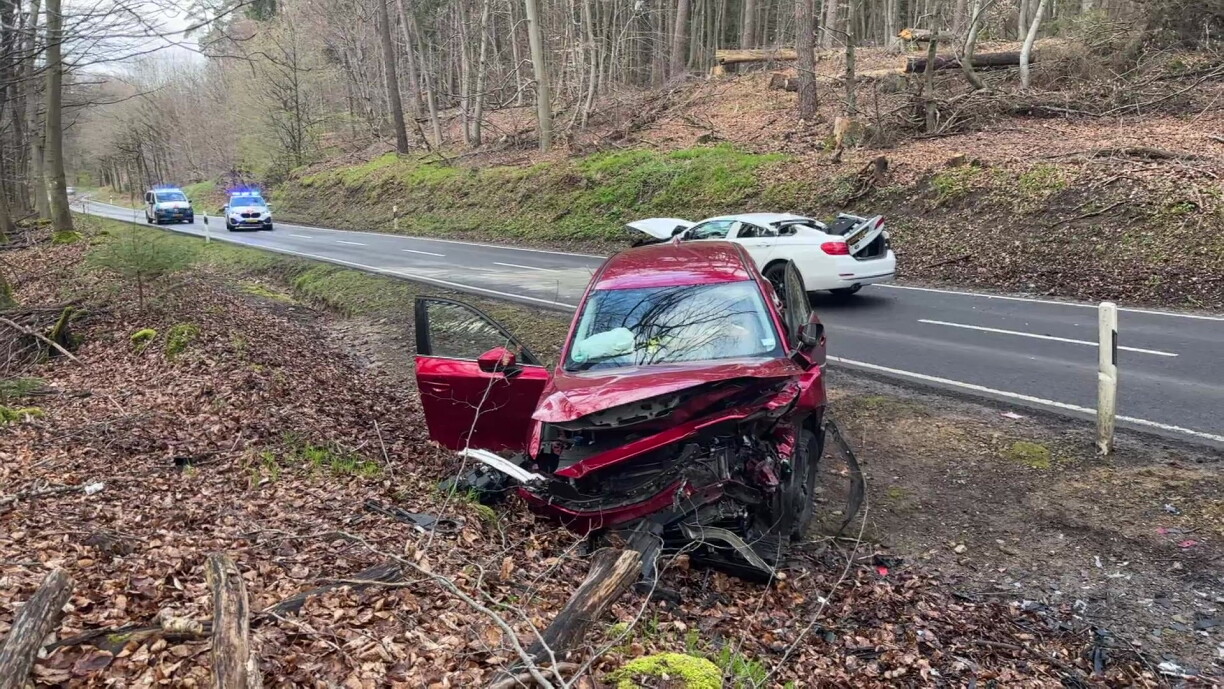
Since 2018, the 112-based eCall system has been obligatory for new cars sold in the EU. The obligation does not apply to motorbikes.
The importance of raising the alarm as quickly as possible was demonstrated in a motorcycle accident which took place just over the German border last week. The motorcyclist was not discovered until 19 hours had passed since the crash.
With eCall, the technology in the car detects when an accident takes place, and automatically alerts 112. The emergency call centre immediately displays information about the vehicle, including the make and model and the position of the vehicle. Information about the number of passengers can also be transmitted. The location of the accident is immediately displayed on a map.


In addition to the automatic alarm, the call can also be triggered manually. Many vehicles are equipped with an SOS button, through which the driver can directly contact 112.
The number of automatic eCalls received by the Luxembourg emergency call centre has increased in recent years. In 2023, there were around 2,000, rising to 3,500 in 2025. This corresponds to an increase of 75% within two years.
However, automatic emergency calls are no longer only triggered by cars. Various smartphones, smartwatches or navigation devices can also detect a fall or a strong shock and then call for help. Such functions can therefore also be of use to motorcyclists or cyclists, for whom eCall from the car is not available.
However, the technology also has its disadvantages. The automatic alarm can sometimes be triggered if a smartwatch falls to the ground or if a bike falls over. But the emergency services have to check whether help is needed or whether it is a false alarm even if there is the slightest doubt.
The emergency call centre has experienced several instances in which a smartphone, smartwatch or navigation device reported an accident, without a person having contacted 112 themselves.





