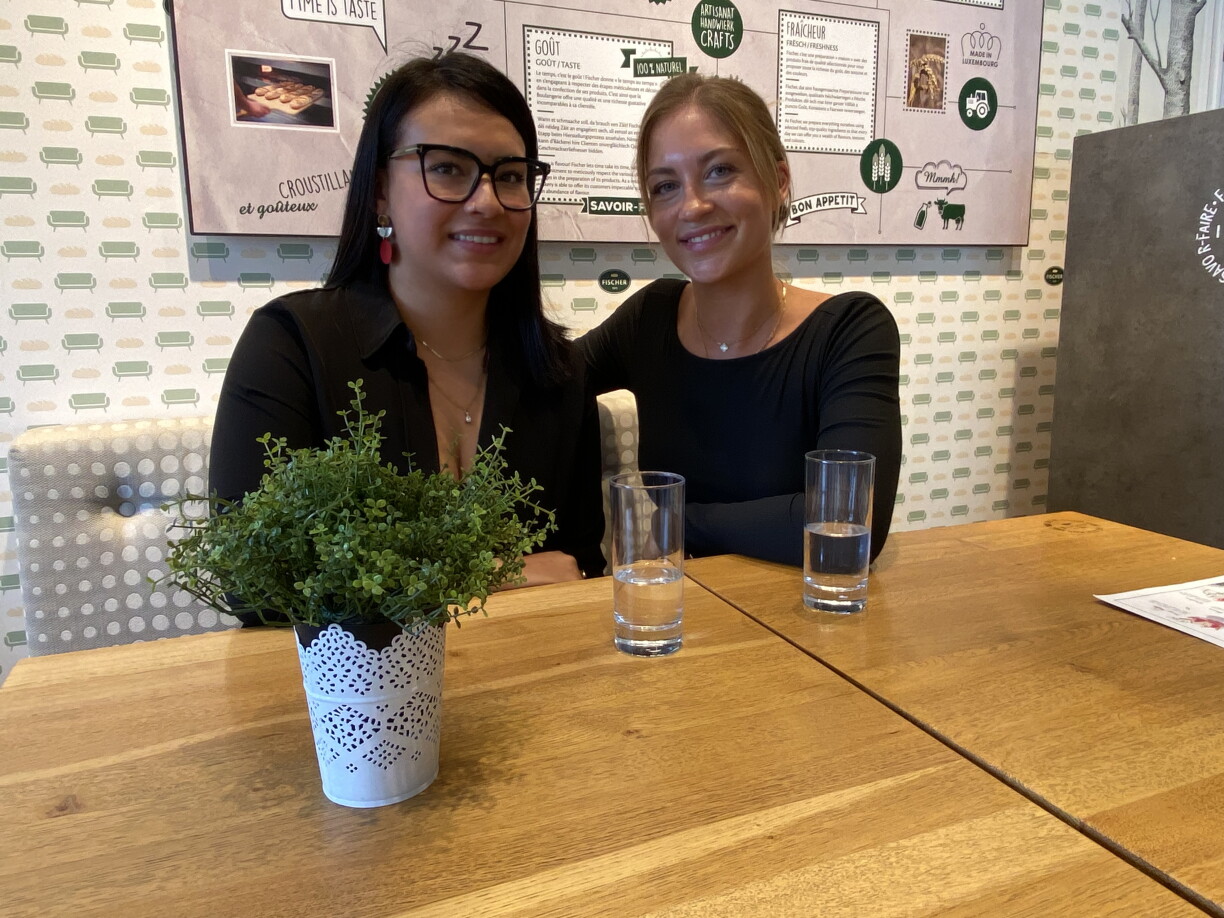
Until this summer, Marie Alvarado Mejia was living what she describes as a normal life. At 29, she was working as a graphic designer in a family-run business in Frisange.
Then, a few days before her birthday, she noticed a lump in her breast. Concerned, she booked an appointment with her gynaecologist, who referred her for a biopsy.
Within days, Marie was told she had breast cancer. Further blood tests revealed the cancer was genetic, which came as an unexpected shock since no one in her family had previously been diagnosed with the disease.
She has two younger sisters and an older brother, none of whom have cancer, and neither her mother nor her grandmother has been affected.
Marie’s life changed in an instant on 24 June 2026. She received a call at work from her gynaecologist, asking if she could come in immediately.
Surprised, Marie replied that she was at the office, and asked whether it could wait. Her doctor made it clear that delay was not an option.
After explaining the situation to her employer, Marie went to the clinic. When the diagnosis was delivered, the shock left her speechless and in tears. Later, as she broke the news to her family and friends at home, the reality began to set in.
"That’s when I really started to realise what was happening to me", Marie recalls, speaking to us at the Europa Donna offices in Strassen.
In the immediate aftermath, Marie’s mind raced with questions: "What about my job? I was supposed to go out that weekend. Why me?" But as the days passed, she found strength in her support network.
As she came to terms with the news, she increasingly relied on the support of her family, partner, and friends. Focusing on one day at a time helped her manage her anxiety about the future.
Rather than worrying about what might happen in a month, she learned to concentrate on today and tomorrow, taking things step by step.
Despite facing a daunting situation, Marie chooses to remain optimistic. She believes isolating herself would not help, and tries to maintain contact with others, finding strength in the fact that she is still alive and able to experience the present, even in the midst of hardship.
Marie acknowledges that there are days when her thoughts become overwhelming and she is left with more questions than answers. She admits that sometimes her mind cannot rest, and the uncertainty can be exhausting.
She recently completed her eleventh chemotherapy treatment. Marie is never alone at these sessions; she is always accompanied by someone from her support network, whether it is her sister, her mother, her partner, or a friend.
Their presence makes a significant difference, helping the time pass more quickly and reminding her that she is not alone in this fight.
Marie is scheduled for a total of 18 chemotherapy treatments, with the final one planned for 18 November. The following month, she will undergo surgery to have both breasts removed.
After the surgery, she will begin five years of hormone therapy. This treatment will induce menopause at just 29, meaning she may experience it twice in her lifetime.
Pregnancy is not possible during hormone therapy, so if she wishes to have children, she must try soon after treatment ends, by which time she will be 35.
Due to the genetic nature of her cancer, there is an increased risk that her ovaries could also be affected, which may eventually require their removal to prevent further illness.
Facing such life-changing decisions at a young age is deeply challenging for Marie. She admits she never imagined she would be confronted with these choices so early in life.
Marie’s days can vary greatly – some are good, while others are more difficult. The encouragement of her family, friends, and the full support of her employer have been essential in helping her cope. She feels extremely grateful for this understanding and support.
Marie stresses the importance of recognising that cancer can happen to anyone, even if they live a healthy lifestyle and play sport.
She believes it is important to choose to keep fighting, to focus on survival, and to remind herself of her own strength, even when faced with a serious illness.
Her close friend Lynn Diederich has been a constant presence, supporting Marie by spending time together, keeping in touch about doctor’s appointments, and simply being there when needed.
Lynn remembers how devastating the diagnosis was for both of them. While she felt sadness and anger, she recognised the need to stay strong and supportive for Marie and helped her navigate this challenging time.
Europa Donna, founded in 2002, supports people with breast cancer, the vast majority of whom are women (around 1% of cases occur in men). Prevention and ongoing support are central to the mission of this non-profit organisation.
According to Dany Frank from Europa Donna, the association offers opportunities for affected women to meet and speak with a psychotherapist, along with other forms of assistance such as home support.
Marie Alvarado is facing her journey with hope and resilience while taking charge of her destiny.





