
As the new semester is about to begin at the University of Luxembourg, many incoming students are still looking for a place to live. Last year, the university counted 8,560 students on its various campuses, with 56.5% coming from abroad.
This year, the university expects over 7,200 students, many of whom must not only prepare academically but also navigate the difficult task of securing long-term accommodation, something that remains a major hurdle in Luxembourg's housing market.
Students from around 150 different countries studied in Luxembourg last year. For many, the question of finding affordable housing remains unresolved even after their university acceptance is confirmed.
Master's student Emad Vosoughi, for example, received his admission letter only to learn that the university could not guarantee him a place to live, a fact that had already been mentioned during his application process. As Emad says, this was clear from the outset.
The University of Luxembourg does provide its own student residences, but demand far outstrips supply. The university makes it clear, both in communications at the time of application and on its website, that it cannot guarantee housing for every student, and this is also highlighted to those signing up for a place in the residences.
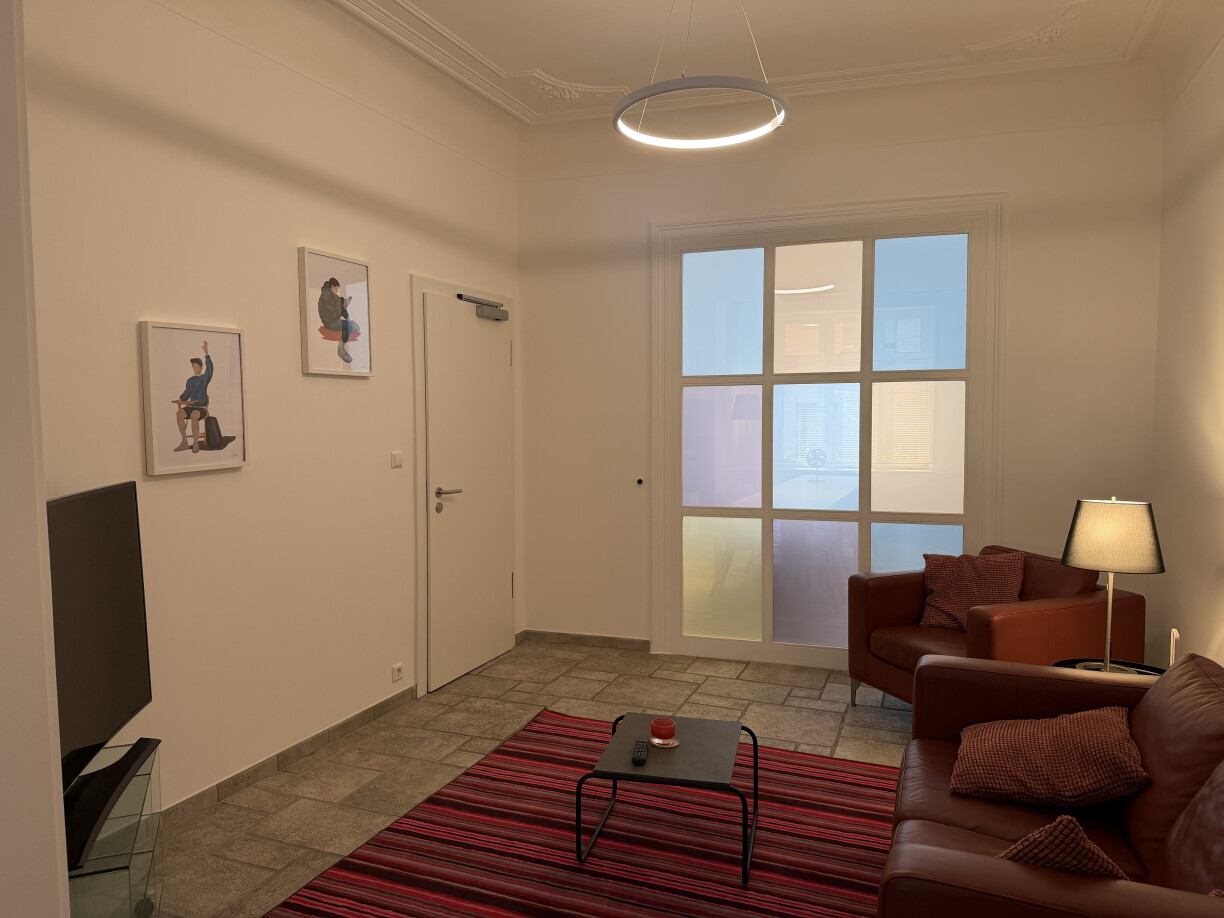
Aware of the ongoing shortage, the university also points students toward alternatives such as WeConnect, a platform that promotes intergenerational living. This initiative matches students with older residents or private individuals who can offer rooms at reasonable prices.
However, WeConnect itself is also under pressure, with demand from students consistently exceeding supply. Around a year ago, the platform had about one hundred hosts. Now, the organisation is urgently seeking around fifty more willing to take in students.
Clémentine Offner from WeConnect explained that now is the critical moment for people to come forward and host students arriving for the new academic year. Every year, some students have to give up their studies in Luxembourg because they cannot find accommodation, she said.
It is not always a lack of goodwill that prevents more hosts from signing up. According to WeConnect, many potential hosts would like to help, but encounter administrative hurdles. While the organisation recognises the need for rules, it believes that more flexible solutions should be possible in some individual cases.
Beyond university residences and initiatives like WeConnect, some private landlords also rent out rooms or convert family homes into shared student accommodation. Landlords can choose which students to accept, and some properties cater specifically to Master's or PhD students.
According to Ines Jacoby, manager of a private student residence, demand from international students is particularly high. For Master's students, demand spikes just before March and September, while for PhD students, demand is steady throughout the year, she explained.
Although neighbouring countries account for most international students, private residences report receiving requests from well beyond Europe, according to Jacoby.
Many students also face the financial hurdle of providing proof of income. Landlords often require a work contract as a form of security, which is not always feasible for international Master’s students. As Vosoughi explained, students are only permitted to work limited hours and are rarely able to present a full-time contract.
With classes set to begin on 15 September, the coming weeks will be decisive for many international students. Several are still holding out hope that they will secure a place to stay before the start of term. Emad, for example, remains optimistic that he will be able to begin his studies in Luxembourg in mid-September.





