The latest tripartite meeting is set to take place in Senningen on Thursday, following Prime Minister Luc Frieden’s announcement last week that Luxembourg’s energy support measures will be extended "in one way or another" beyond the end of the year, due to persistently high inflation.
While this approach is welcomed by some, Fondation IDEA, the think tank affiliated with the Chamber of Commerce, has joined Déi Gréng (The Greens) and the Mouvement écologique (Ecological Movement) in raising critical concerns about the government’s strategy.
Fondation IDEA, which has advocated for more precise support since the first tripartite meeting in spring, argues that blanket subsidies are not an effective solution.
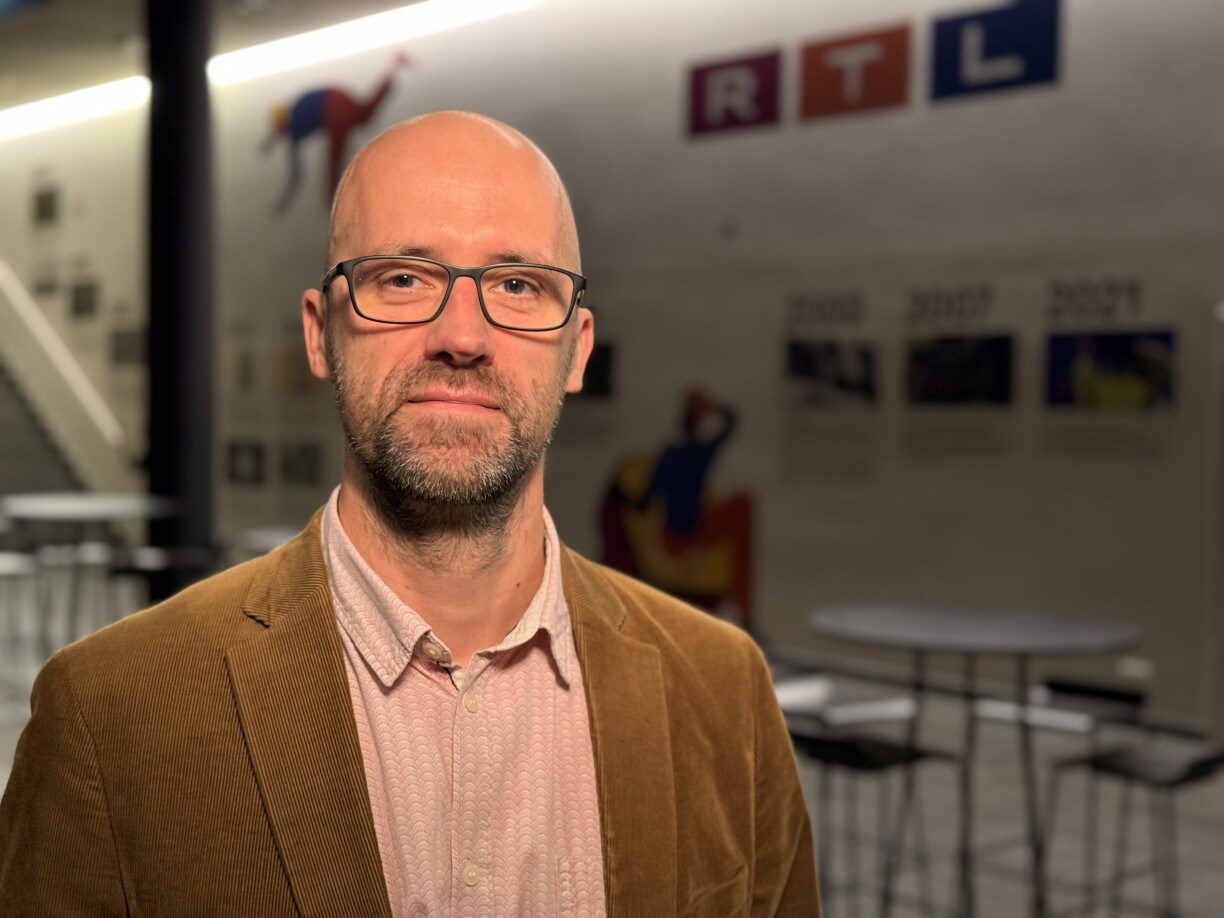
Despite the time that has passed since then, the think tank’s economist Frédéric Meys maintains there has been little progress towards more targeted assistance.
Concerns about the extension of energy aid are heightened by ongoing geopolitical instability. Luxembourg’s national statistics office STATEC estimates that the war in Ukraine and conflicts in the Middle East could continue to have an impact on energy prices, notably for gas and electricity, until at least 2028.
Fondation IDEA acknowledges that energy price caps can help to curb inflation, but cautions that keeping fossil fuel prices artificially low could hinder necessary progress towards the energy transition.
They stress that such measures risk sending the wrong signal at a moment when households need clear incentives to move away from combustion engines and adopt electric vehicles.
Meys highlights that maintaining broad subsidies does not align with Luxembourg’s climate goals and the wider economic imperative to reduce reliance on hydrocarbons, which are becoming an increasing burden both geopolitically and economically for Europe and for Luxembourg.
The think tank contends that maintaining these across-the-board reductions fails to preserve the incentive for change that the current context demands.
Fondation IDEA also questions the coalition government, composed of the Christian Social People’s Party (CSV) and the Democratic Party (DP), for what it sees as a lack of policy coherence.
The think tank asks why the government did not take the preparatory period before this week’s tripartite to develop more targeted energy aid.
Meys points out that, despite repeated calls for more focused measures, the government has continued to implement the same broad systems, with little consideration for at-risk populations or those most exposed to the crisis.
IDEA argues that there are strong arguments for supporting only the most vulnerable households, for example through tax credits or consumption vouchers.
This approach is also favoured by Luxembourg’s main trade unions, the Independent Luxembourg Trade Union Confederation (OGBL), and the Luxembourg Confederation of Christian Trade Unions (LCGB).
Targeted support would also be less costly for the state at a time when public finances are already stretched by tax reform, the energy transition, and increased military spending.
Details on the future of the energy aid programme, and how long support will continue, are expected to emerge on Thursday.
Regardless of the outcome, the wider implications for Luxembourg’s climate policy and energy security will be analysed in greater depth on RTL’s "Studio2" in Luxembourgish this evening after the main news bulletin.


