The Federation of Craftsmen has launched a campaign with the slogan, "Broad shoulders – same obligations – same rights", in which they call for better social protection for Luxembourg’s self-employed.
The organisation points out that the pandemic starkly revealed just how poorly self-employed people are secured in times of crisis.
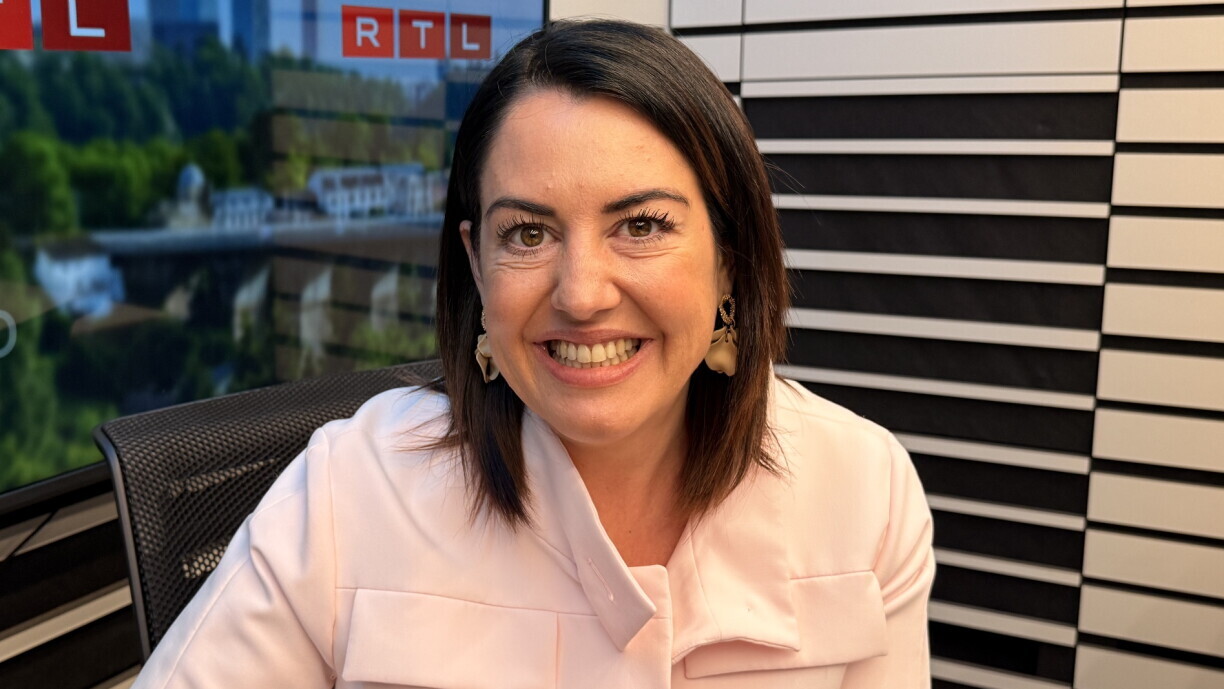
Businesses were forced to suspend activities, yet those affected could not fall back on the same social safety nets as employees, Vice President Alexa Ballmann told RTL.
Ballmann also wants to change public perceptions of the self-employed. The cliché of the wealthy boss with a luxury car does not reflect the reality for most small businesses, she says, emphasising that 99% of companies in Luxembourg are small and medium-sized enterprises.
A key issue for many self-employed workers is the financial weight of mandatory social contributions, Ballmann explains.
The federation is not seeking extra privileges or state funding for the employer’s share of contributions. Rather, it proposes that businesses cover the employer’s portion for self-employed workers, as is already the case for salaried staff, while self-employed individuals would continue to pay their personal share.
The goal, Ballmann notes, is to achieve equal treatment and rights for all working people, not special advantages for the self-employed.
Despite repeated promises from the government since taking office in 2023 and a broad consensus that reform is needed, little progress has been made.
The lack of concrete results nearly six years after the initial discussions has left many self-employed workers feeling overlooked by policymakers.
Ballmann says this ongoing delay is demotivating and sends the message that the concerns of the self-employed are not being taken seriously.
In response, the Federation of Craftsmen is calling for concrete legislative proposals by the end of 2026, that should be implemented by 2027.
Since several ministries are involved, a comprehensive reform package is required. Ballmann also reminds policymakers that these reforms are included in the coalition agreement.
The Federation of Craftsmen welcomes a draft bill which would improve access to unemployment benefits and partial unemployment for the self-employed.
Under these proposals, partial unemployment due to force majeure would become accessible to the self-employed for the first time.
The minimum period of required work to claim unemployment benefits would also be reduced from two years to one.
However, one major challenge remains: enabling self-employed workers to access unemployment benefits if their business is no longer viable.
At present, only those who declare bankruptcy are eligible, while those who voluntarily cease trading are excluded. The federation argues that this barrier needs to be addressed as part of broader reforms.
Self-employed people in Luxembourg often work long hours, carry responsibility for employees, and invest personal savings into their businesses, but many do not earn high incomes.
Statistics confirm that median income for the self-employed is lower than that of the average salaried worker. Like everyone else, they have families to support and rent to pay.
For these reasons, Ballmann concludes, their social protection must finally be improved.


