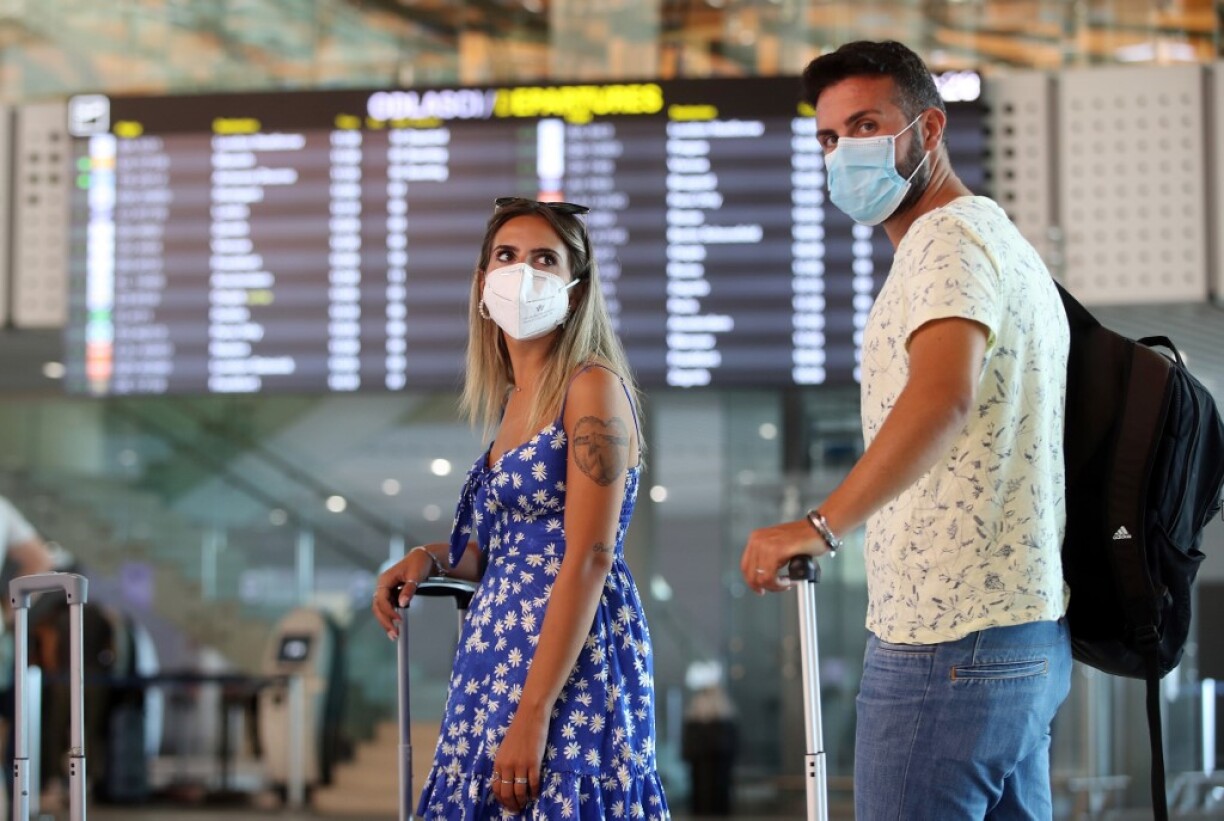
The certificate is free and recognised by 27 EU member states, as well as Switzerland, Lichtenstein, Iceland, and Norway. Several countries have already begun implementing their respective systems, which are designed to identify vaccination, testing, or recovery statuses.
Countries will be free to chose whether or not to accept rapid antigene tests on top of PCR tests. The EU recommends adopting a universal time limit for the validity of tests: 72 hours for PCR and 48 hours for antigene tests. To validate a recovery status, people need to provide a positive PCR test no older than 180 days, although this number may also vary between countries.
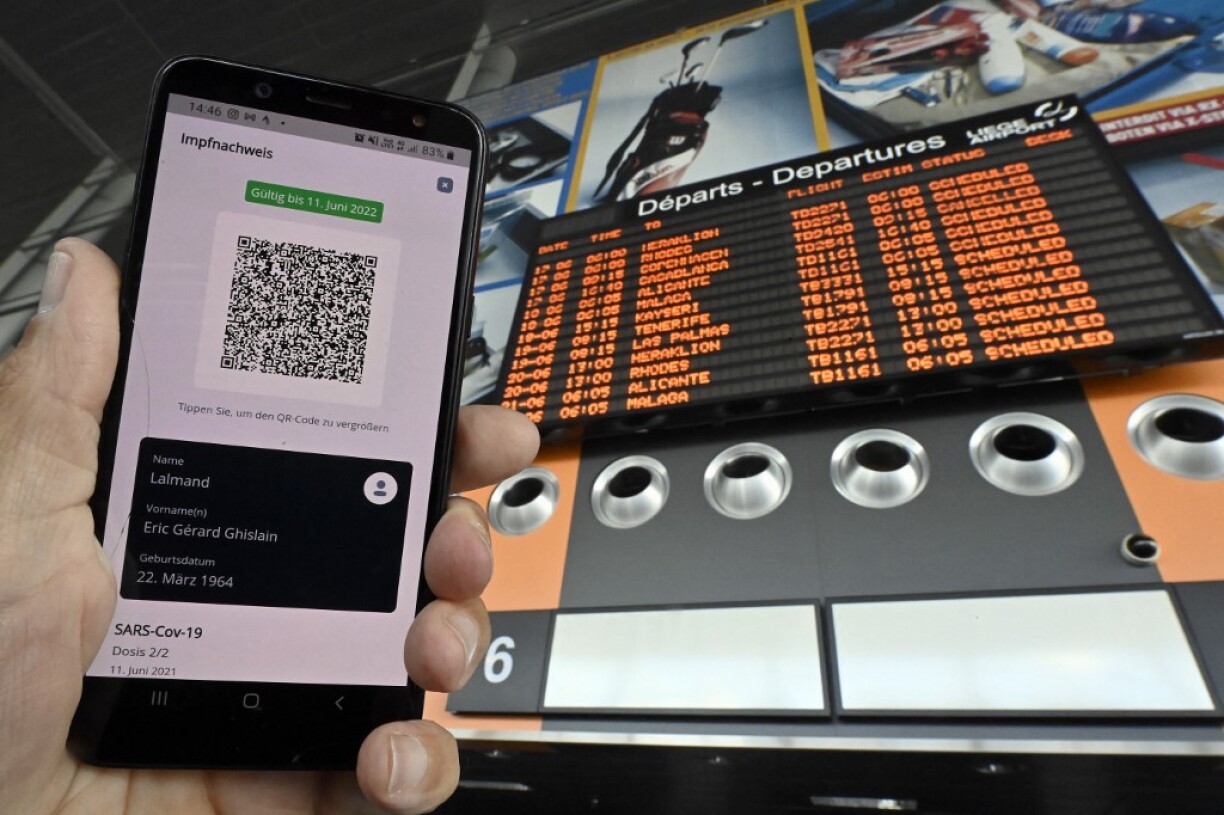
On a European level, four vaccines are officially accepted: Pfizer/BionTech, Moderna, AstraZeneca, as well as Johnson & Johnson. Member states can also individually choose to accept other vaccines, such as Sputnik V from Russia, or Sinopharm from China.
Although the Covid certificate is meant to free people from the obligation of additional tests or quarantine, EU member states can still amend individual procedures depending on the situation of the country of origin. Should that be the case, countries will have to inform the EU commission 48 hours in advance. For instance, the prevalence of the Delta variant in Portugal has already driven Germany to put the country on its risk list.
Travellers may visit this website for more information on policy differences between EU countries.
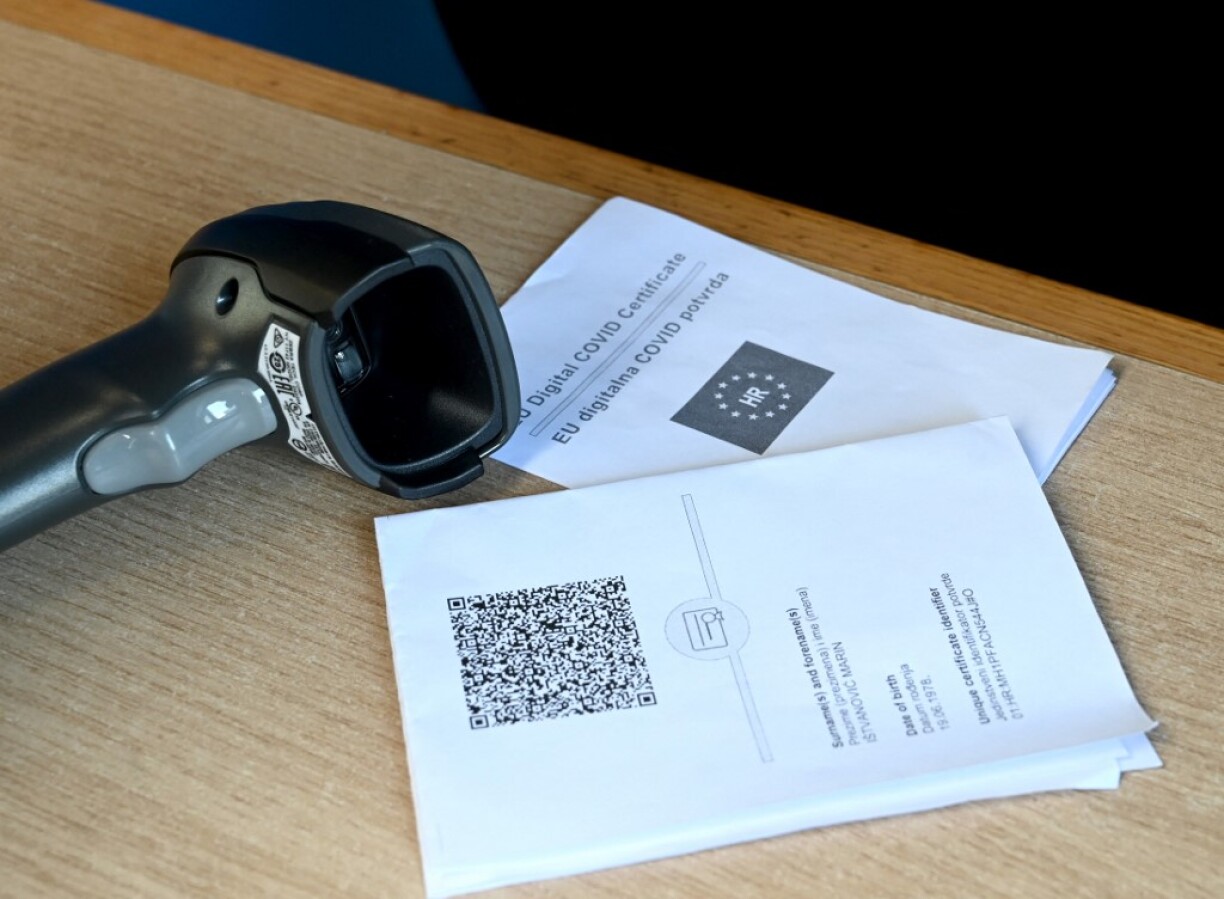
Given that the certificate relies on a scannable QR code, it can be shown both in digital and paper form. Countries will either integrate the international codes into their national apps, or use an alternative scanning mechanism.
Aside from facilitating travel, countries will also be free to use the Covid certificates for other activities, such as live events.
The European Union currently discusses mutual recognition of Covid certificates with other countries, including the United Kingdom and the United States of America.
The certificate will be valid for twelve months. A grace period until 12 August is being extended to countries that have not been able to set up their system by 1 July. For the entire duration of the protocol, countries will be required to respect certificates that fulfil the EU norms.
The EU law regulates that certificates can only display personal details that are considered "strictly necessary". Data will not be exchanged between countries, given that they only need to verify the validity of the QR code. Storing of personal information is prohibited in this context.





