
Europe experienced its warmest year on record in 2024, according to a joint report by Copernicus Climate Change Service and the World Meteorological Organisation (WMO). Luxembourg climatologist Andrew Ferrone, speaking to our colleagues from RTL Radio on Wednesday, explained this alarming trend stems partly from an unexpected factor: improved air quality across the continent.
While cleaner air benefits public health, Ferrone noted the reduction in heat-reflecting atmospheric particles has paradoxically accelerated warming. The expert, who represents Luxembourg on the World Climate Council, highlighted particular vulnerability in southern Europe, where intensifying heatwaves and droughts continue breaking temperature records.
Ferrone warned Europe must prepare for compounded climate impacts, including both severe droughts and increased extreme precipitation events.
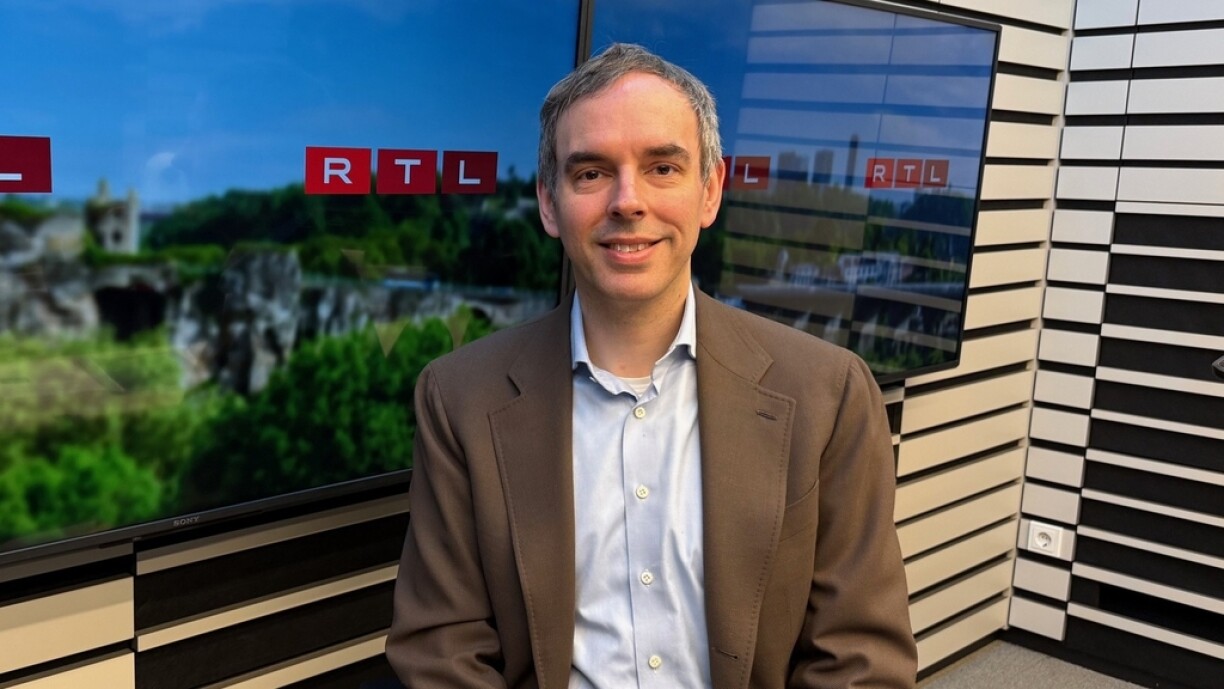
When questioned whether other global regions might fare better, he emphasised climate change affects all continents, though Europe possesses greater resources for adaptation.
The World Climate Council maintains unequivocal recommendations: achieving net-zero CO₂ emissions by 2050 remains critical to limiting global warming to 1.5°C. Ferrone stressed the urgency demands participation across all sectors, from individuals to industries.
While mitigation remains crucial, Ferrone emphasized that Europe must simultaneously address existing climate impacts through comprehensive adaptation strategies. The climatologist noted significant progress: 51% of European cities now have climate adaptation plans – nearly double the 26% recorded in 2015 – though implementation varies widely.
These plans incorporate both immediate public health responses, such as heatwave advisories about hydration and avoiding midday exercise, and long-term infrastructure changes. Key initiatives include urban greening to combat heat island effects, improve floodwater absorption, and enhance CO₂ sequestration. Ferrone highlighted Paris, Milan, and Dutch municipalities as leaders, particularly praising the Netherlands' competitive approach where towns annually compete to expand green spaces.
The Grand Duchy is currently revising its national adaptation strategy through a two-phase process, beginning with expert workshops completed in early 2025 and now progressing to public consultations. Residents can submit input online or at regional meetings, with Ferrone clarifying that this is not a mere formality and that resident input directly shapes implementation.
The strategy accounts for regional variations, from urban challenges in Luxembourg City to risks affecting rural areas in northern Luxembourg, with the Grand Ducal Fire and Rescue Corps (CGDIS) actively incorporating local knowledge into emergency planning.





