In a detailed opinion, the Chamber of Employees (CSL) has raised concerns about elements of the reform on photovoltaic installations, particularly the way future subsidies will be calculated under the new scheme, which is currently awaiting parliamentary approval.
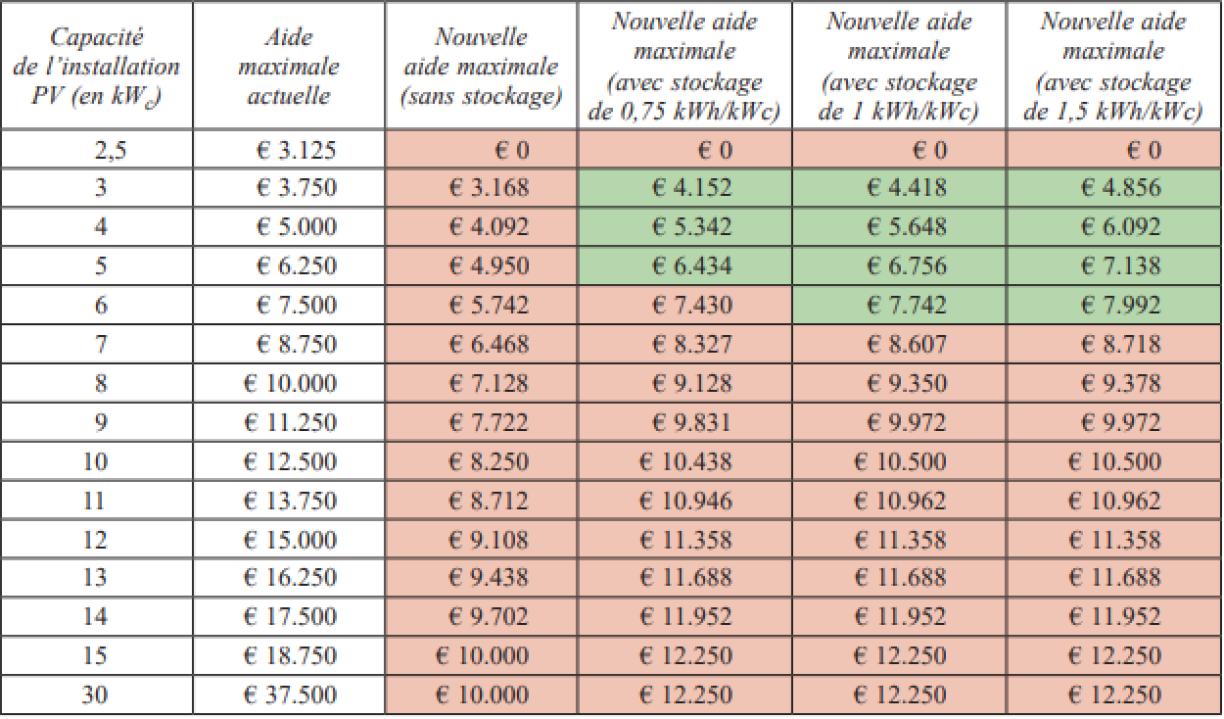
At present, the state covers 50% of installation costs for photovoltaic panels. The new proposal, however, introduces a fixed-rate system based on the capacity of the installation and the associated energy storage.
According to CSL economic advisor Claude Roeltgen, the maximum subsidy will be reduced for certain configurations. He points out that under the revised formula, some households may end up receiving less support than under the current percentage-based scheme, especially those installing systems with a capacity of around 7–8 kilowatts.
The CSL also warns that households with smaller rooftops – often low-income households – will be disproportionately affected, as the new scheme excludes subsidies for systems below 3 kilowatts. This change, they argue, penalises residents who cannot physically install larger systems and further deepens the divide in accessibility to renewable energy support.

Still, some households could benefit more under the new system. Energy Minister Lex Delles recently explained that if households shop around for competitive offers and secure lower installation costs, they might end up receiving more than 50% of the total cost in support.
Roeltgen acknowledged this possibility, saying that under favourable market conditions, such as low installation prices, the new system might offer better outcomes for some. But, he added, much depends on how prices evolve in future.
In their comparison between the two systems, CSL based calculations on the maximum potential subsidy under the current regime and compared it with the fixed amounts proposed in the future model. Roeltgen conceded that the analysis would have been clearer had the government included concrete real-life case examples not only in the CSL's advisory opinion but also in the draft law itself.
Another major concern raised by the CSL is that the scheme does not go far enough in targeting support at lower-income households. Roeltgen stressed that climate aid policies must not disproportionately benefit higher-income groups, a pattern he says is all too common.
He thus called for a thorough review of the overall climate aid regime, including stronger weighting of subsidies in favour of lower-income families.
While acknowledging that steps are being taken to address certain gaps, Roeltgen urged that social top-up measures and the pre-financing model should be extended beyond solar panels to cover other energy-efficiency renovations without delay.