
Here are five things you should know at the end of this week:

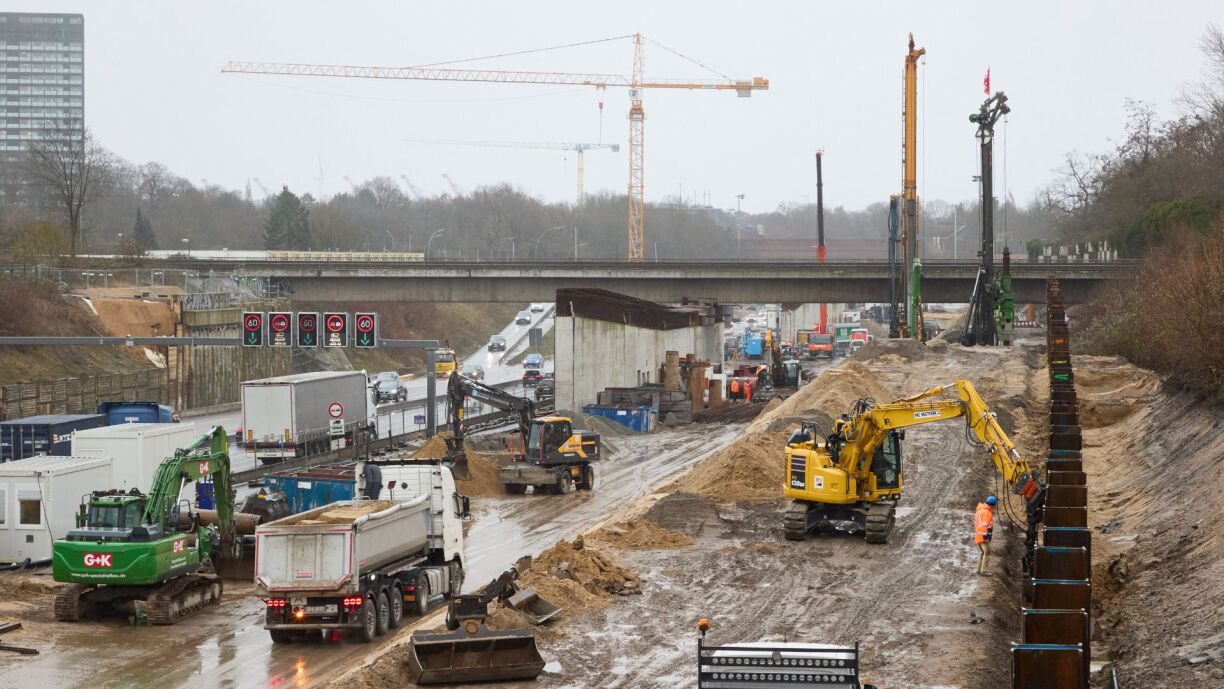
The Luxembourg government is declaring the construction sector in a state of crisis for six months starting 1 February, enabling companies to access a streamlined short-time working procedure for site workers.
Ensuring minimal disruption – In response to significant challenges facing Luxembourg's construction industry, the government has officially declared the sector to be in a state of crisis, effective from 1 February for a period of six months. This declaration is aimed at providing immediate relief to the industry, which has reached a critical juncture.
By recognising the sector as "in crisis", the government enables construction companies to access a more efficient short-time working scheme. This move is intended to help businesses manage their workforce more effectively during this turbulent period, ensuring that site workers remain employed and projects can continue with minimal disruption.
Targeted approach – The government has set specific criteria for the implementation of the short-time working procedure in the construction sector. This relief measure is restricted to 20% of a company's staff and is applicable only to certain sub-sectors such as earthmoving, demolition, residential, and non-residential construction, while currently excluding civil engineering.
This targeted approach reflects the government's intention to provide focused support where it is most needed. Additionally, to ensure the proper use of this support, state agencies like the Inspectorate of Labour and Mines (ITM) and the National Employment Agency (ADEM) will conduct inspections.
Rejuvenating the sector – Beyond addressing the immediate crisis, the Luxembourg government has outlined additional long-term strategies to support the construction sector. These include tax incentives for investments and provisions for accelerated depreciation, measures designed to stimulate economic activity within the sector.
Announced by PM Luc Frieden, these strategies are part of a broader plan developed by the Ministries of Housing and Finance, aiming to rejuvenate the construction industry. The overarching goal of these measures is to protect workers from unemployment risks and to ensure the long-term vitality of the construction sector. The government also plans to monitor the effects of these measures to ensure they do not inadvertently distort the market or affect pricing dynamics negatively.
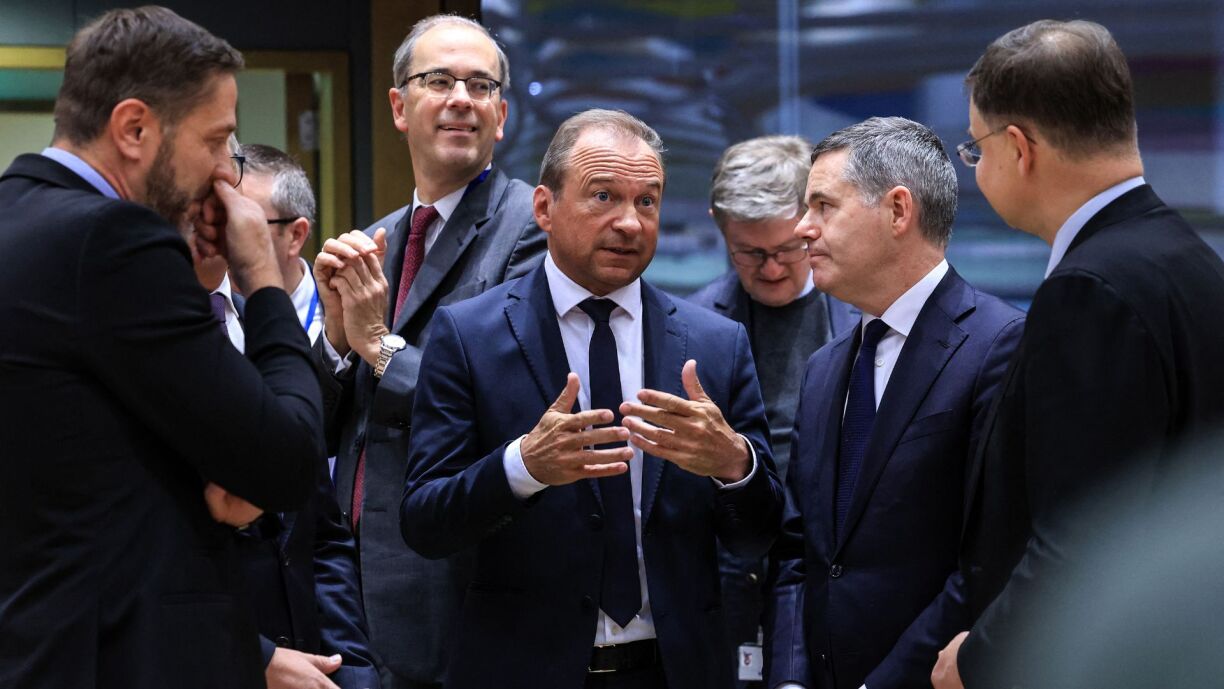
Luxembourg faces a €630 million budget deficit for 2023, exacerbated by increased expenditures due to the energy crisis, inflation, and Covid-19 effects, despite rising state revenues.
Finance Minister Gilles Roth plans to manage the budget without tax hikes, focusing on efficiency and supporting the struggling construction sector, while maintaining Luxembourg's financial attractiveness.
Opposition parties debate the government's approach, with suggestions ranging from protecting economic niches and financial centres to considering tax increases on large incomes and minimal-tax companies.
Fiscal complications on the horizon – Luxembourg's 2023 budget is confronting a significant challenge with a projected deficit of €630 million. This financial strain is largely due to a surge in government spending, which overshadows the nearly 7% increase in state revenues.
Key factors contributing to the increased expenditure include the ongoing energy crisis, persistent inflation, and the lingering impacts of the Covid-19 pandemic. These issues have necessitated substantial financial outlays, putting pressure on the nation's budget and potentially leading to further fiscal complications in the future.
Maintaining 'Triple A' – In response to the budget deficit, Finance Minister Gilles Roth has outlined a strategy that avoids increasing taxes or reducing critical investments. Instead, Roth is focusing on reducing expenditures in non-essential areas and enhancing efficiency, particularly through digitalisation.
A significant aspect of his plan involves addressing the downturn in the construction sector, which has a considerable impact on the budget. Roth is committed to maintaining Luxembourg's prestigious 'Triple A' credit rating and its appeal to both residents and businesses, suggesting that the country's economic health and investment attractiveness are top priorities.
Opposition MPs react – The situation has sparked a range of responses from opposition parties. Members of the Luxembourg Socialist Workers' Party (LSAP) and others have raised concerns about the feasibility and implications of proposed spending cuts, especially in areas like state salaries during this period of energy transition and inequality challenges.
On the other hand, some parties, like the Green Party and the Left Party, are advocating for tax increases on higher incomes and companies that currently contribute minimal taxes. They argue that such measures could provide additional revenue without harming the broader economy.
Meanwhile, the Alternative Democratic Reform Party (ADR) emphasises the importance of understanding and protecting Luxembourg's key revenue sources, such as its financial sector and fuel tourism, suggesting a need to safeguard these economic niches.
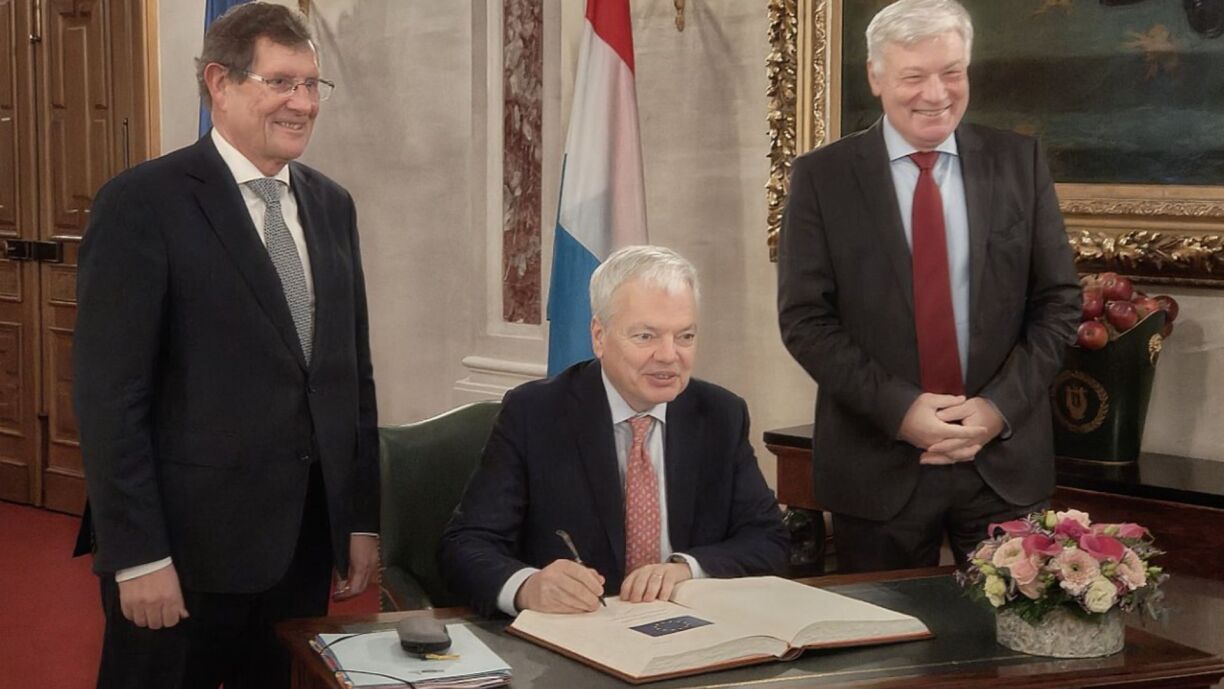
EU Commissioner Didier Reynders visited Luxembourg to present the EU's latest rule of law report, emphasising the need for Luxembourg to improve justice system efficiency, transparency in lobbying, and stakeholder involvement in legislation.
The report praised Luxembourg's constitutional reform and the establishment of the new High Council of Justice, but highlighted issues like insufficient legal aid access and the need for better transparency standards, regardless of the country's size.
Discussions also touched on broader EU concerns, such as Hungary's compliance with EU regulations and the impact of national policies like Luxembourg's begging ban on EU-wide legal interpretations.
Improving oversight – During his visit to Luxembourg, EU Commissioner Didier Reynders presented the EU's fourth rule of law report, which underscored the need for improvements in Luxembourg's justice system. The report specifically pointed out the necessity to enhance administrative and human resources, with a focus on digitalisation to boost accessibility and efficiency.
It also stressed the importance of increasing transparency, especially in the context of lobbying activities in the Chamber. Despite the existence of a transparency register for MPs, the report found its structure and implementation to be minimal and called for a more robust system to trace the influence of lobbying groups on parliamentarians.
Affordability of legal representation – The EU's report commended Luxembourg for its constitutional reform in 2023, which included the establishment of the new High Council of Justice and increased resources to fight economic and financial crime. These reforms were seen as vital steps in strengthening the rule of law.
However, concerns were raised about the accessibility of legal aid, with the report urging Luxembourg to ensure that everyone can afford legal representation. Despite some progress in this area, as noted by the President of the Chamber, Claude Wiseler, the report recommended further improvements to ensure equitable access to justice for all citizens.
Beyond Luxembourg's borders – Discussions with Commissioner Reynders also ventured into broader EU topics, including concerns about Hungary's adherence to EU regulations and the use of its financial relationship with the EU. Reynders acknowledged that while Hungary has made significant reforms in some areas, it continues to challenge EU decisions, affecting the overall dynamics within the Union.
Additionally, the issue of Luxembourg's newly instituted begging ban was brought up, with Reynders emphasising that such matters should be regulated at the national level first, but also suggesting consultation with stakeholders and consideration of the Venice Commission's recommendations for substantial justice reforms.
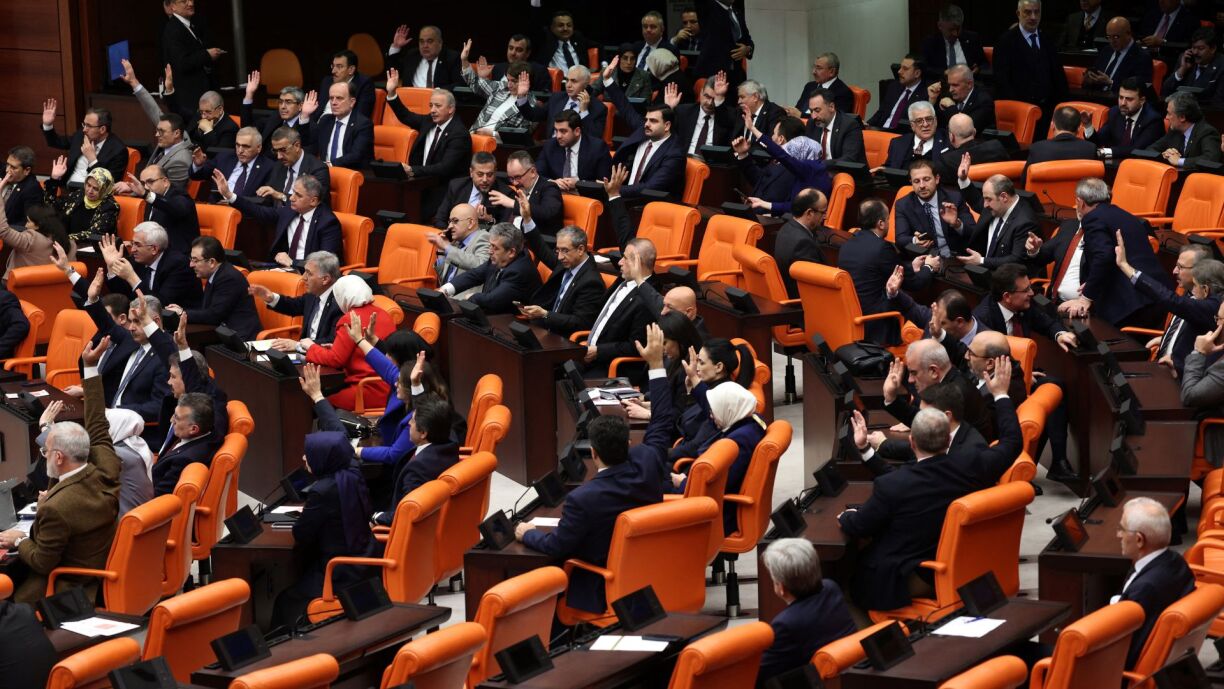
Turkey's parliament has approved Sweden's NATO membership, leaving Hungary as the only remaining country to ratify the bid, following concerns over Kurdish groups and negotiations for F-16 jets.
Swedish Prime Minister Ulf Kristersson faces tension with Hungary's Viktor Orban, who invited him to discuss the bid, despite Sweden stating there are no conditions to negotiate.
The accession of Sweden and Finland to NATO, initially sparked by Russia's invasion of Ukraine, marks a significant shift from their historic military non-alignment.
A year of negotiations – The Turkish parliament's decision to ratify Sweden's NATO membership represents a pivotal moment in the Nordic nation's bid to join the alliance. This move came after over a year of diplomatic negotiations, during which Turkey raised concerns over Sweden's perceived support for Kurdish groups, which Ankara considers terrorist organisations.
Additionally, the ratification process was intertwined with Turkey's demands from the United States, particularly regarding the delivery of F-16 fighter jets. The approval by Turkey leaves only Hungary as the remaining NATO member yet to ratify Sweden's membership, a process that began as a response to heightened security concerns following Russia's invasion of Ukraine.
Hungarian opposition – The approval process for Sweden's NATO membership has not been without its challenges, particularly involving Hungary. Hungarian PM Viktor Orban extended an invitation to Swedish PM Ulf Kristersson to visit Budapest to discuss Sweden's NATO bid.
This move has sparked some diplomatic tension, as Sweden maintains that there are no outstanding conditions to negotiate. Unlike Turkey, Hungary did not present specific demands or conditions for Sweden's membership during the 2022 NATO summit in Madrid.
Policy shift – The bid by Sweden and Finland to join NATO marks a significant departure from their long-standing policy of military non-alignment, a stance they maintained throughout the Cold War. This strategic shift was largely prompted by the security implications of Russia's aggressive actions in Ukraine.

A Russian IL-76 military transport plane, carrying 65 Ukrainian prisoners, crashed in the Belgorod region near Ukraine, with all on board, including crew and escorts, reported dead.
Russia's top lawmaker accused Kyiv of shooting down the plane, while Ukrainian media retracted initial claims of downing it; both countries are investigating the incident amid ongoing tensions over prisoner exchanges.
The crash adds to a series of recent aviation incidents involving Russian military aircraft, amid intensified strikes and hostilities between Russia and Ukraine.
No survivors – The Russian military plane was carrying 65 Ukrainian prisoners, along with six crew members and three escorts. All individuals on board were reported to have perished in the crash. The incident occurred during what was described as a routine flight, and it has garnered significant attention due to the sensitive nature of transporting prisoners of war, particularly in the context of the ongoing conflict between Russia and Ukraine.
Investigations underway – In the aftermath of the crash, Vyacheslav Volodin, a leading Russian lawmaker, publicly accused Kyiv of being responsible for shooting down the plane, a claim that implicates Western-supplied missiles.
On the Ukrainian side, there was initial confusion in the media, with some reports initially claiming responsibility for downing the plane, alleging it was transporting missiles. However, these claims were later retracted.
The incident is currently under investigation by both countries, highlighting the ongoing tensions and the delicate nature of prisoner exchanges in the context of the conflict.
Repeat incidents – The crash adds to a series of recent aviation-related incidents that have involved Russian military aircraft since the escalation of hostilities in Ukraine in February 2022. These incidents have included the downing of aircraft, accidental crashes, and internal disputes within Russia, such as the crash involving Yevgeny Prigozhin, a leader of the Wagner mercenary group.
Business & Tech – US regulators approved a detailed inspection framework that would allow the return to service of Boeing 737 MAX planes grounded after an emergency landing earlier this month, officials said Wednesday.
Science & Environment – Despite CO2 emissions regulations for cars in the EU since 2012, the European Court of Auditors reports limited success, attributing the challenge to the increased size and power of vehicles.https://today.rtl.lu/news/world/a/2066108.html
Entertainment – 'Oppenheimer' – Christopher Nolan's masterly portrait of the father of the atomic bomb – dominated the Oscar nominations Tuesday, earning an impressive 13 nods including for best picture.
Paris Olympics – Luxembourg's Bob Bertemes and Patrizia van der Weken shone at the World Athletics Indoor Meeting at the Coque sports centre, with Bertemes qualifying for the Paris Olympics with a shot put victory and van der Weken breaking national and tournament records in the 60-metre dash.
Luxembourg City – Mayor Lydie Polfer recently addressed the ousting of a group of homeless people from Place du Théâtre, underlining that they have been offered an alternative shelter.https://today.rtl.lu/news/world/a/2066108.html
Citizenship – Brazil leads the way in new Luxembourgish citizenships, with 4,404 individuals acquiring nationality in the past year, followed by Portugal and France, as Luxembourg sees a diverse array of 11,904 people embracing its citizenship in 2023.

Your Weekly Recap is published every Friday at noon. Read earlier versions.





