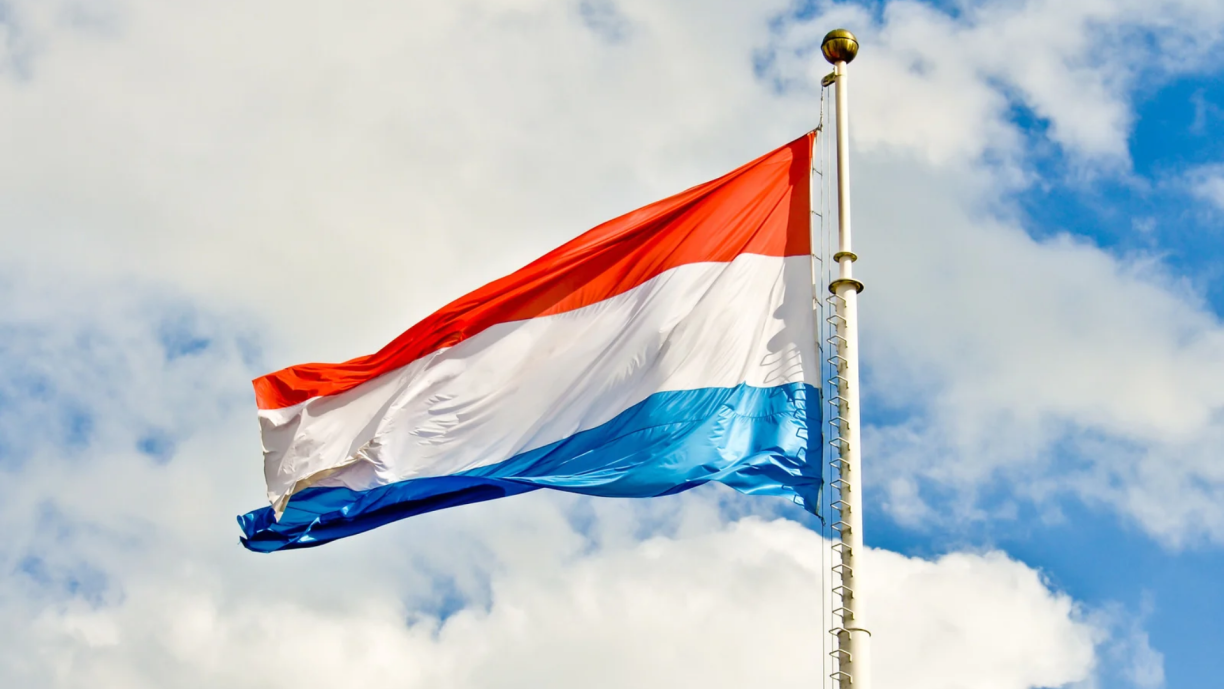
This Saturday will mark "Luxembourg Language Day", an occasion dedicated to celebrating not only the national language, but also the country’s longstanding tradition of multilingualism.
Speaking to RTL on Thursday morning, Pierre Reding, Luxembourg’s Commissioner for the Luxembourgish Language, stressed that the day is meant to remind everyone how fortunate they are to live peacefully in such a unique linguistic environment.
More than sixty activities are being organised throughout the country, designed to celebrate, listen, sing, taste, learn, and encourage discussion.
Among these are language cafés, where participants are given the chance to converse in Luxembourgish, helping to foster everyday use of the language.
While Luxembourg is well equipped when it comes to language courses, the real challenge, according to Reding, lies in putting Luxembourgish into practice.
"We need to work with people and speak Luxembourgish with them", he said, adding that everyone can contribute by initiating conversations in shops or public spaces in Luxembourgish.
He suggests that people can start communication in Luxembourgish and, if needed, add French to assist non-native speakers, thereby encouraging wider use of the language in daily life. Reding emphasised that this is a question of attitude and approach, and that the tone used is always crucial.
The Commissioner is also tasked with ensuring that every child attending school in Luxembourg learns Luxembourgish. In primary schools, Luxembourgish is considered the "playground language" among young people.
Although literacy is taught in French, this approach, at least on paper, helps to strengthen the role of Luxembourgish.
If Luxembourgish is to thrive as a spoken and practical language, Reding argues, then government administrations should also use Luxembourgish when communicating with citizens.
Currently, the law states that authorities must respond to citizens in the language chosen, in Luxembourgish, German, or French, "as far as possible".
Reding advocates removing this limitation, insisting that Luxembourgish is now sufficiently established to be used in all official contexts.
Asked about the idea of introducing literacy classes in Luxembourgish, Reding explained that he is working on a detailed report on the topic, but already feels confident advising against it.
In his view, some knowledge of German is necessary for writing in Luxembourgish, making exclusive Luxembourgish literacy courses less practical at this stage
A full overview of all activities taking place on Luxembourg Language Day can be found here.





