The European Commission’s "ReArm Europe" initiative aims to mobilise €800 billion to strengthen and modernise the EU’s defence sector.
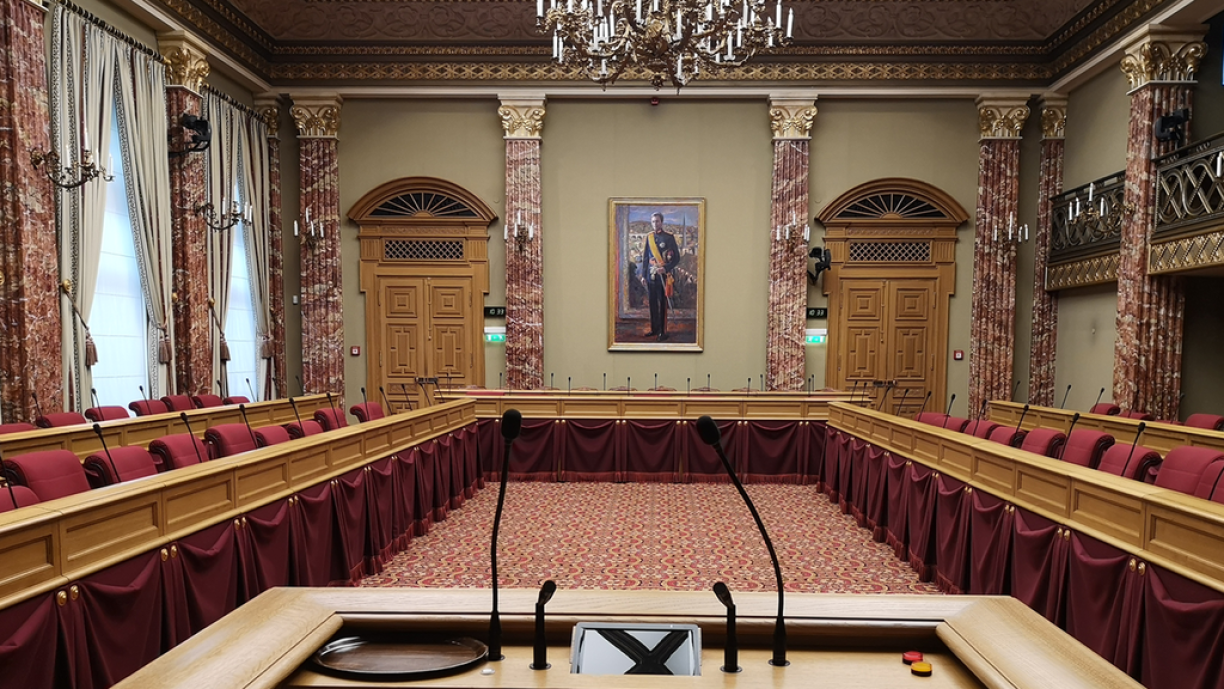
This plan was discussed in Luxembourg’s Chamber of Deputies on Thursday morning, with a focus on what Luxembourg can and should contribute. By the end of 2025, Luxembourg is expected to invest 2% of its Gross National Income into defence – a goal already outlined by PM Luc Frieden during his State of the Nation address.
While MPs broadly agreed that increased investment is necessary, MP Liz Braz of the Luxembourg Socialist Workers' Party (LSAP) warned that financial commitment alone wouldn’t be sufficient. She argued that better coordination across member states is essential.
According to her, although the EU collectively ranks third in global defence spending – even ahead of Russia – its military capabilities are significantly weaker than those of the United States, which spends roughly three times more. In her view, the EU must learn to spend more effectively before increasing expenditure.
MP Meris Šehović of The Greens (déi gréng) made a similar point, stressing that throwing more money at defence won’t solve structural issues. He highlighted the need for greater efficiency, oversight, and transparency in military spending, particularly given the sensitive nature of the materials involved and the fact that taxpayer money is at stake.
Šehović also underlined the importance of investing in resilience, noting that security policy should go beyond military concerns to include climate protection, robust infrastructure, diplomacy, and international cooperation.
Defence Minister Yuriko Backes reiterated the government’s stance, framing defence investment as a matter of credibility, responsibility, and solidarity. She emphasised that it’s not just about military power for its own sake, but about safeguarding Luxembourg’s sovereignty, democracy, freedoms, and core values. In her view, such spending also benefits the economy.
However, not all parties supported the Prime Minister’s position. MP Marc Baum of déi Lénk (The Left), expressed strong reservations. He argued that the problem with European security is political rather than financial. Baum pointed out that between 2015 and 2024, EU member states collectively spent over €2.4 trillion on defence, yet the continent is still being portrayed as vulnerable.
This, he said, raises serious questions about how the money has been used. As he put it: “And the question we now have to seriously ask ourselves is, where on earth has that €2.4 trillion gone, if we are suddenly being told that Europe, as has already been suggested several times, is apparently completely defenceless?”
Baum also warned that increasing defence budgets without changing how funds are managed risks diverting public money away from social policies, housing, infrastructure, and climate action.
Meanwhile, defence spending remains on the agenda, with further discussion scheduled in the relevant parliamentary committee on Friday.





