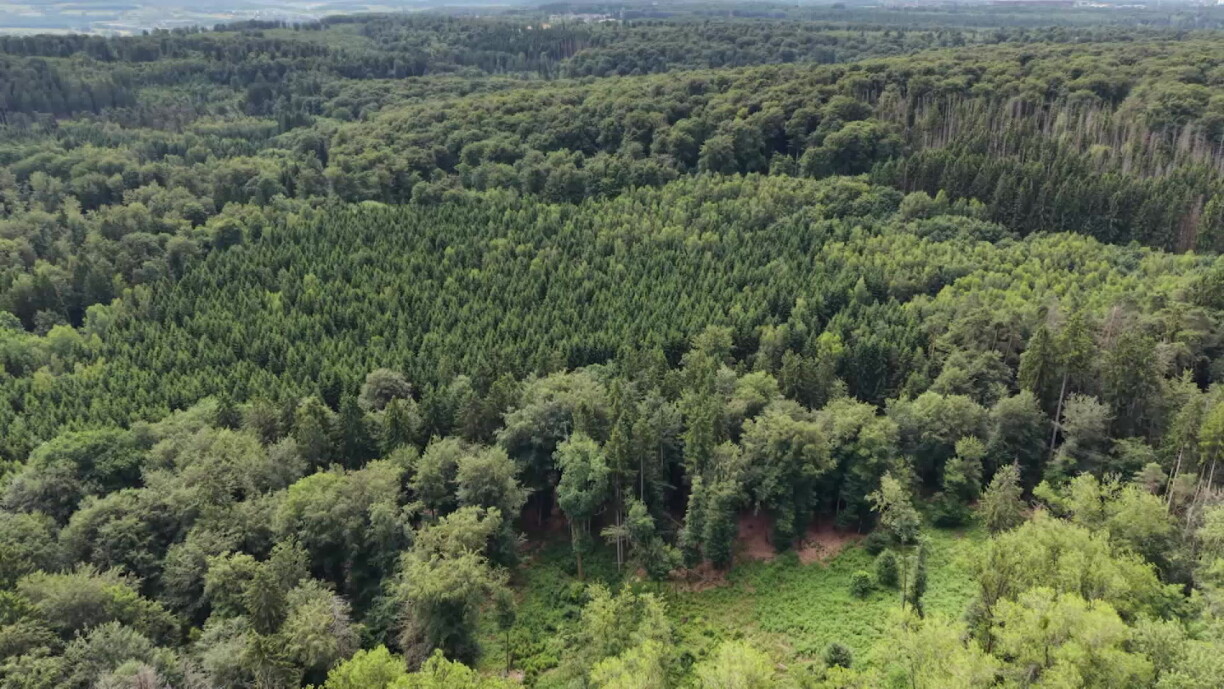
Forest fire specialists in Luxembourg are reassuring: the risk of devastating wildfires like those in southern Europe is much lower here. Luxembourg's landscape, with one third of the country covered in forest, half of which is privately owned and dominated by deciduous trees rather than monocultures, is far less prone to severe blazes. The presence of open spaces between forested areas further reduces the risk. Nevertheless, the Grand Ducal Fire and Rescue Corps (CGDIS) remains ready to intervene if a forest fire does break out.
Luxembourg's forests are considered both beautiful and resilient. More than 92,000 hectares are covered by deciduous and coniferous trees, but not all areas are equally at risk. While the mix of tree species and open clearings can help prevent the spread of fire, weak spruce trees are a particular concern. Spruces that suffer from water shortage are especially vulnerable to bark beetle infestations, leaving behind deadwood that can fuel fires. However, forestry officials note that the risk is highest when the trees are still alive and maintain their needles, as these are highly flammable.
It is important to note that removing dead spruces also requires official authorisation through an emergency felling procedure. For the Nature and Forest Agency (ANF), these deadwood areas still support biodiversity and play a role in forest regeneration. The agency's approach is to promote resilient forests – a mix of young and old, healthy and sick trees – to better withstand environmental challenges.
From the perspective of the CGDIS, fighting forest fires presents different challenges. For example, a recent blaze in a field near Consdorf required the intervention of 75 firefighters. The situation became critical when the fire spread into the forest, igniting both undergrowth and trees. Deciduous trees are less likely to catch fire, but coniferous forests can burn quickly and intensely.
Spruce trees infested by bark beetles are seen as a particular hazard, both for the risk of fire and for the spread of the insect itself. CGDIS Director General Paul Schroeder explains that regulations require these dead trees to be removed to limit both bark beetle outbreaks and fire risk. Nevertheless, many dead spruces remain scattered across Luxembourg's forests.
CGDIS officials say they are well equipped to respond to potential wildfires. The Lintgen fire station, for example, has three specially adapted vehicles designed to access forest terrain. Across Luxembourg, 25 out of around 100 rescue centres have such equipment, and all have been instructed to remain ready throughout the summer months. These vehicles are fitted with specialised tyres and, in some cases, carry extra water – up to 10,000 litres can be transported by truck. Bringing this equipment into the forest is far more challenging than responding to incidents in urban areas, notes Schroeder.
Forest tracks are generally in good condition, so there is no need to create additional firebreaks, according to the CGDIS. The message to forest owners across Luxembourg remains clear: they must take responsibility for maintaining their property and keeping it safe.





