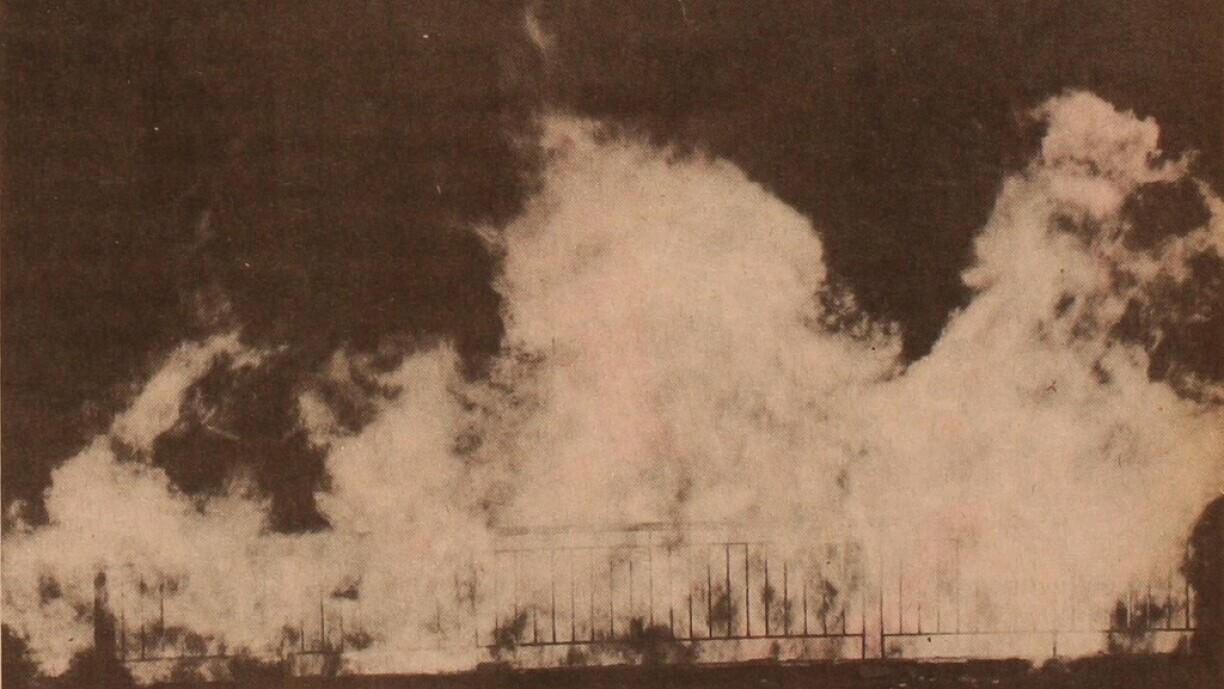
On 12 April 1985, a holiday chalet in Bourscheid was blown up with 25 kilos of explosives – a powerful blast that destroyed the building entirely and signalled the start of a campaign of bombings that would continue until March 1986. Though miraculously no one was killed throughout the series of attacks, the country was shaken by more than 20 bombings that targeted electricity pylons, police stations, media offices, and other infrastructure.
The material damage is estimated to have exceeded €5 million.
The Bourscheid attack is commonly seen as the official start of the series, but there is some debate among investigators. Some suggest the earlier explosions at electricity pylons in May and June 1984 – also linked to the Bommeleeër – might mark the true beginning. Yet most consider the April 1985 chalet bombing the symbolic kickoff of the affair, possibly even intended as a training operation by the attacker.
Despite an initial trial in 2013 and mounting speculation over the years, the perpetrators remain unidentified. Theories continue to swirl, ranging from underfunded national anti-terror units seeking attention, to secret “Stay Behind” NATO operatives sowing chaos during the Cold War.
Learn more about the chronology of the attacks in Part 1 and the unanswered questions that still haunt the investigation in Part 2 of our explainer series.





