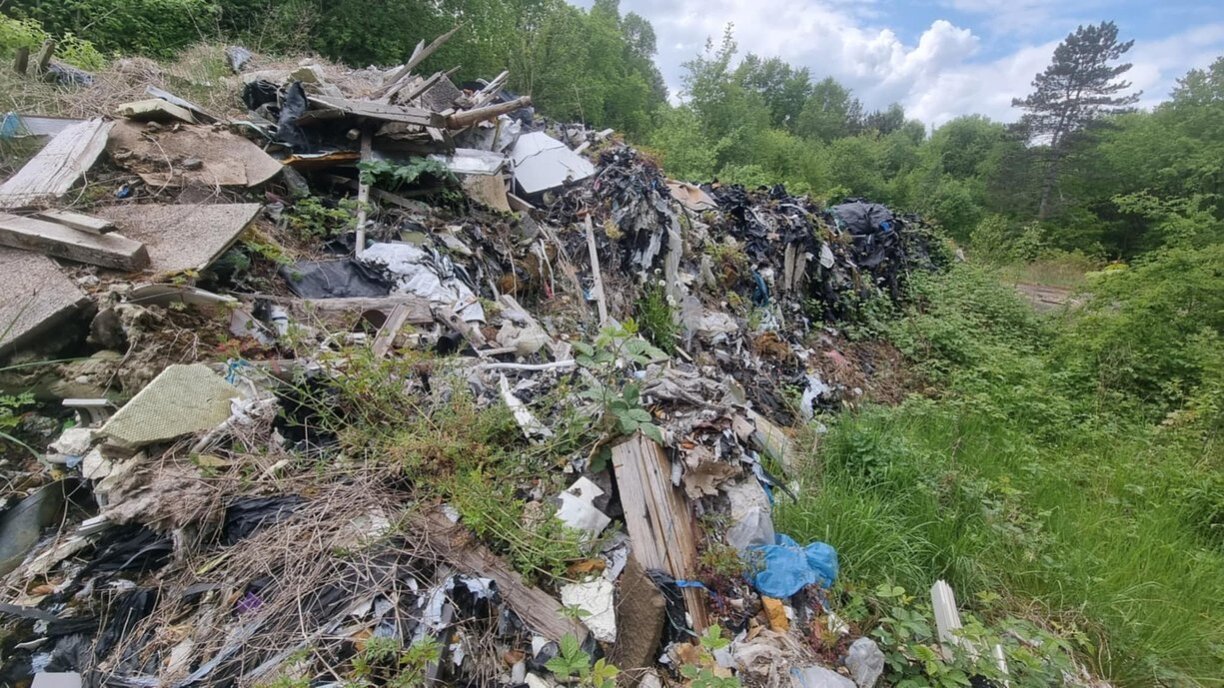
For over five years, a 250-tonne illegal dump – containing hazardous materials including asbestos, motor oil, and plastics – has contaminated the French municipality of Rédange, with likely environmental impacts reaching into neighbouring Luxembourg. While local activists hail recent appeal court rulings as a victory, the waste mound remains untreated on-site.
The case centres on a Belgian-French trafficking ring that illegally dumped approximately 10,000 tonnes of Belgian waste between 2018 and 2021. Led by Johnny Demeter, who recruited family members and drivers, the operation used fraudulent company names to bypass waste treatment centres before abandoning debris near residential areas, including Rédange's 2-metre-high waste pile.
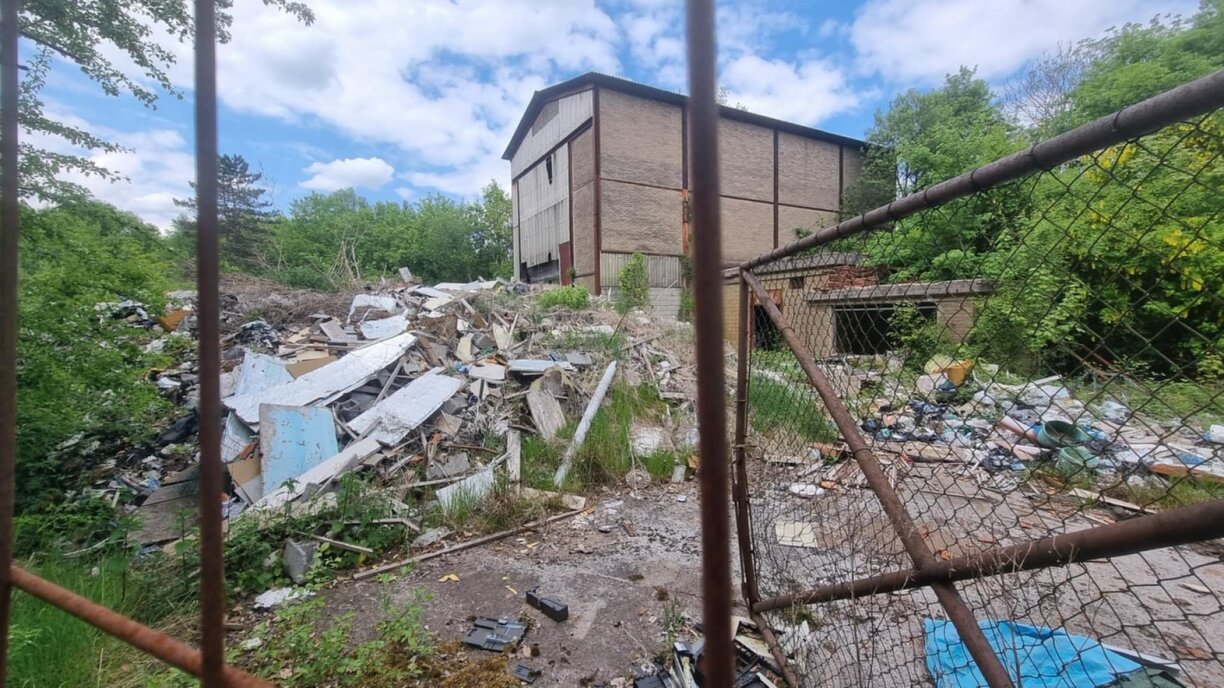
In 2024, Demeter received a five-year prison sentence, a €50,000 fine, and a lifetime ban from waste management. The court also mandated site restoration, enforceable by €150 monthly penalties.
Seven additional defendants received initial prison terms of 18 months to three years for their roles in the operation. While several chose to appeal – unlike ringleader Johnny Demeter – the Douai Court of Appeal on 29 April not only upheld their original sentences but increased some penalties, resulting in revised terms of two to five years.
Local residents, while relieved by the legal outcome, criticise the protracted judicial process. The 5.5-year delay allowed ongoing environmental damage as the waste pile remained untreated, continuously leaching contaminants into surrounding soil and ecosystems.





