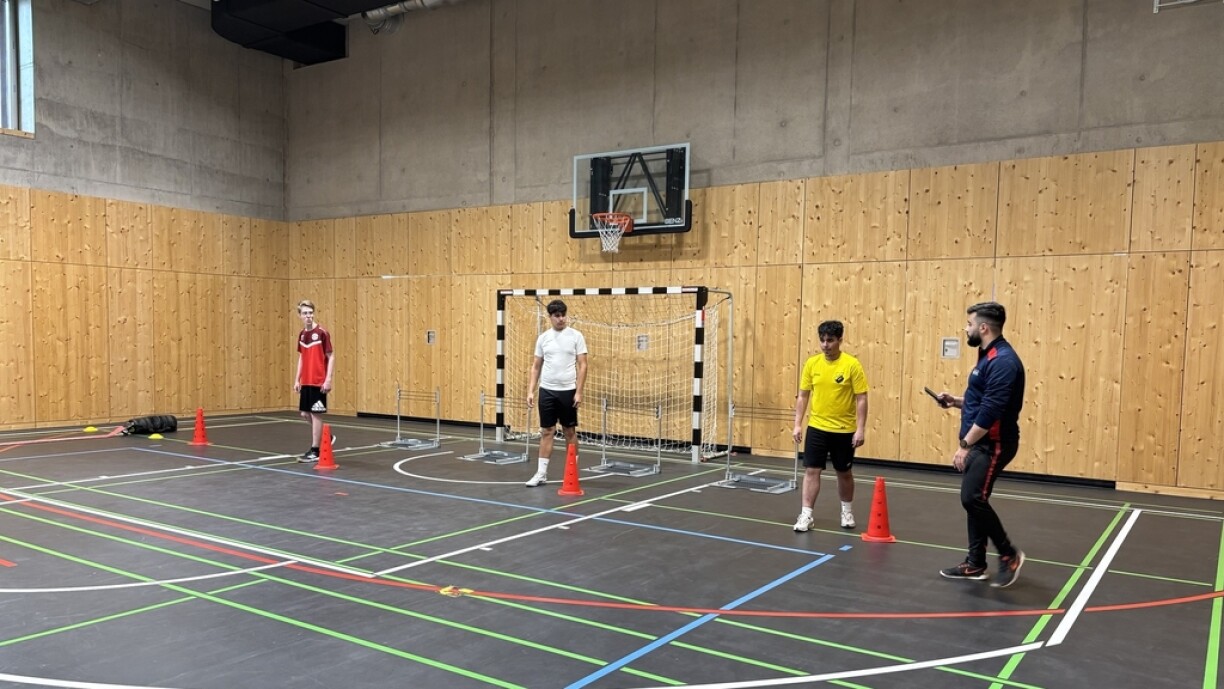
Many of the candidates who gathered on Saturday morning at the CGDIS barracks in Cloche d'Or had only just turned 16.
For Rodrigo Rodrigues Fernandes from the Echternach fire and rescue centre (CIS), joining marks a natural continuation of a long-standing passion. Having spent the past seven years in the youth fire brigade, he explained that his interest in firefighting began in early childhood and that he is motivated by a strong desire to help others.
Lara Petitnicolas from the Wiltz CIS shared a similar sense of purpose. Growing up in a family of firefighters, she had always planned to enrol as soon as she turned 16, and was proud to finally be taking that step on Saturday.
Ivan Fasano, another new recruit, said he was especially drawn to the sense of camaraderie within the firefighting community and the unpredictability of each day's missions, something he finds exciting and deeply rewarding.
These young people are now transitioning from the youth firefighter programme to active emergency services. Although it will still be several months before they are deployed on real missions with ambulances, rescue units, or firefighting teams, the process has officially begun.
Saturday's session focused on fitting equipment and conducting a series of medical and physical assessments.
Dr Elisabeta Pletea, head of the CGDIS Health Department, explained that the evaluation process includes biometric measurements, hearing and vision tests, spirometry, electrocardiograms (ECGs), stress tests, and in some cases, echocardiography. In addition, urine tests and drug screenings – both of which are disqualifying if failed – are carried out, she stated.
Last year, around 440 new volunteers joined the CGDIS, including 140 young people who had progressed from the youth fire brigade. Altogether, the service now comprises approximately 700 full-time professionals and 3,900 volunteers, who help operate 95 fire and rescue centres across the country.
According to Jean-Jacques Schroeder, head of the CGDIS Volunteer Department, more than 70 of these centres are run entirely by volunteers. He emphasised that this system only functions effectively if there are enough people available to cover all missions and shifts.
Staffing even a single fire engine around the clock requires significant manpower. Schroeder explained that for a fire truck with a standard crew of six, roughly 36 firefighters are needed to ensure continuous 24/7 coverage.
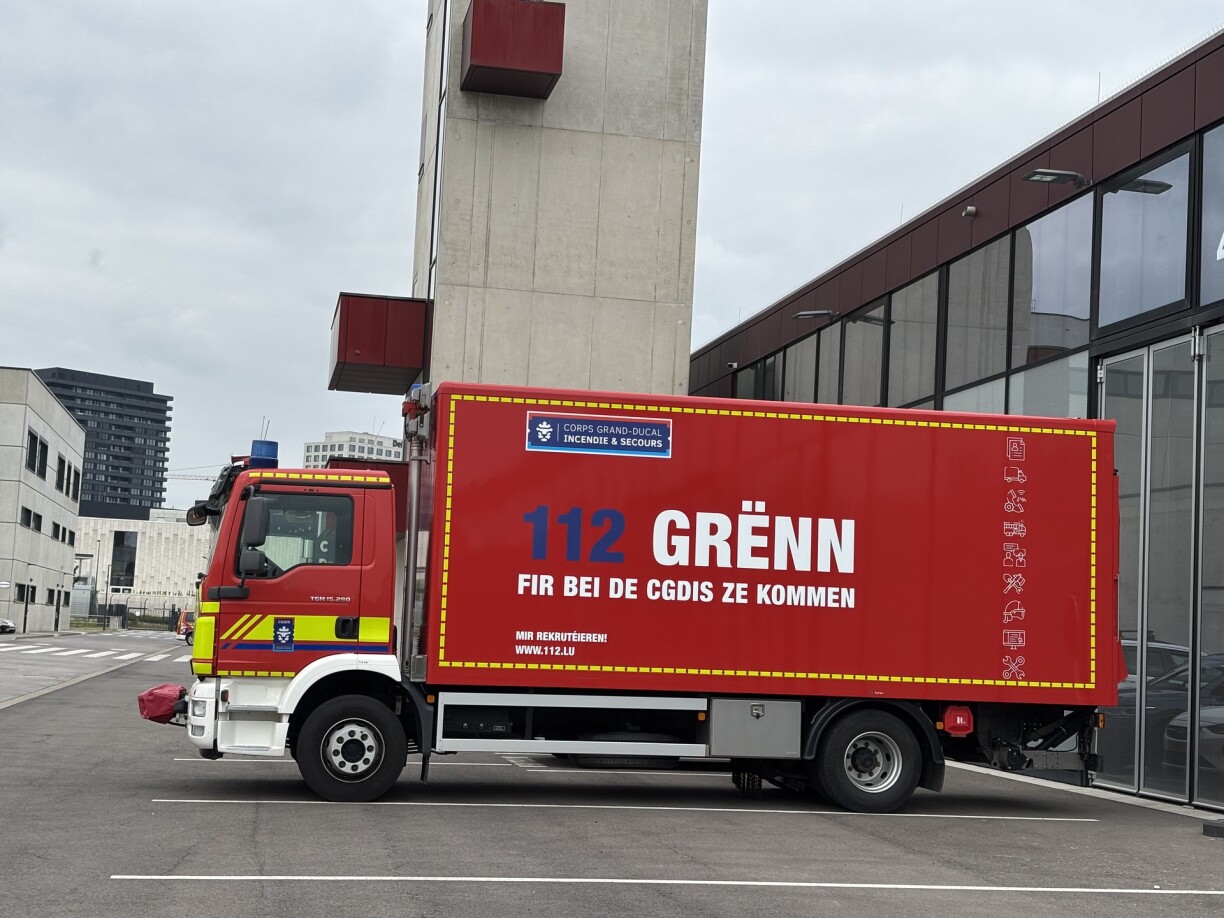
Before these new recruits are ready to respond to calls, they must complete a combination of theoretical and practical training.
According to Schroeder, those aiming to become First Responders in their local communities must undergo four days of introductory training followed by a five-day first aid course, which constitutes the first phase of emergency medical training. This nine-day programme concludes with an exam, he stated.
Schroeder explains further that beyond the classroom, candidates must also become familiar with the specific layout, equipment, and procedures of their assigned centre, with the total duration of training varies depending on each candidate's availability and course scheduling.
Saturday's activities ended with a physical fitness test, which, while not disqualifying, served as a clear signal of the physical demands expected of those preparing to serve, especially when wearing full operational gear.





