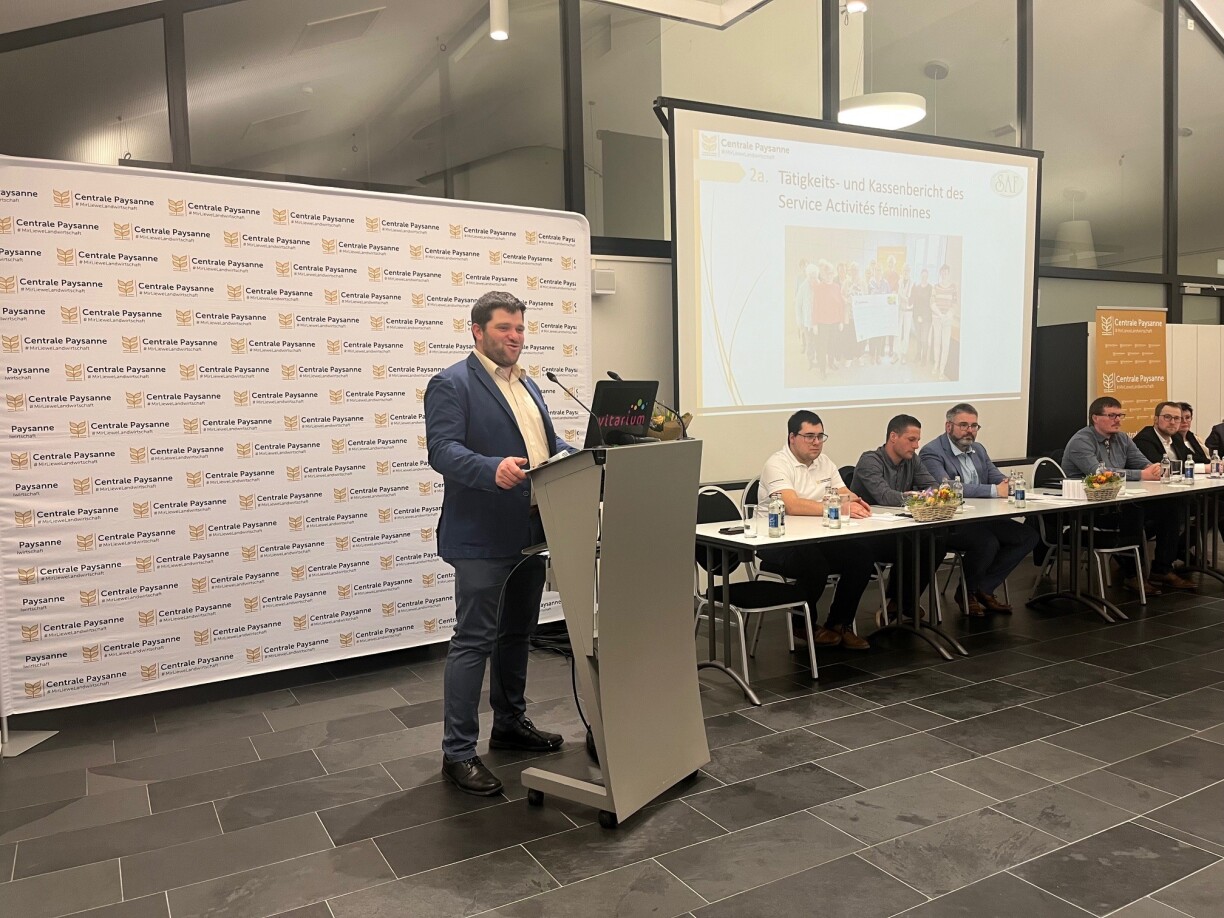
At the Farmers' Alliance general assembly on Tuesday, Christian Wester, president of the Farmers' Central Union, set out the key challenges facing the agricultural sector in the year ahead. The war in the Middle East and the resulting rise in fertiliser prices have shown in recent weeks how quickly conditions can change, but farmers are facing a range of other concerns as well.
One of these is animal epidemics. While diseases such as bluetongue and avian flu are not new concerns, Lumpy Skin Disease (LSD) presents particularly drastic consequences. The virus affects cattle, which must be culled as soon as a case is detected on a farm.
Wester warned that, according to scientists, it is not a question of whether the disease will reach Luxembourg, but when, and whether the country is sufficiently prepared.
Agriculture Minister Martine Hansen responded that Luxembourg is doing everything possible to prepare. Vaccines have been reserved, but can only be administered once a case is confirmed in the country, she said.
The issue will also be discussed by EU agriculture ministers next week. In the meantime, she urged farmers to carefully consider where they source their livestock, given the potentially severe consequences.
Hansen stressed that if the disease reaches Luxembourg, there will be no alternative but to cull affected animals. She described this outcome as devastating, both emotionally and economically, particularly when entire farms are affected. Preventing the disease from entering the country must therefore remain the top priority, Hansen said.
This is especially challenging given that the virus can be transmitted by biting insects.
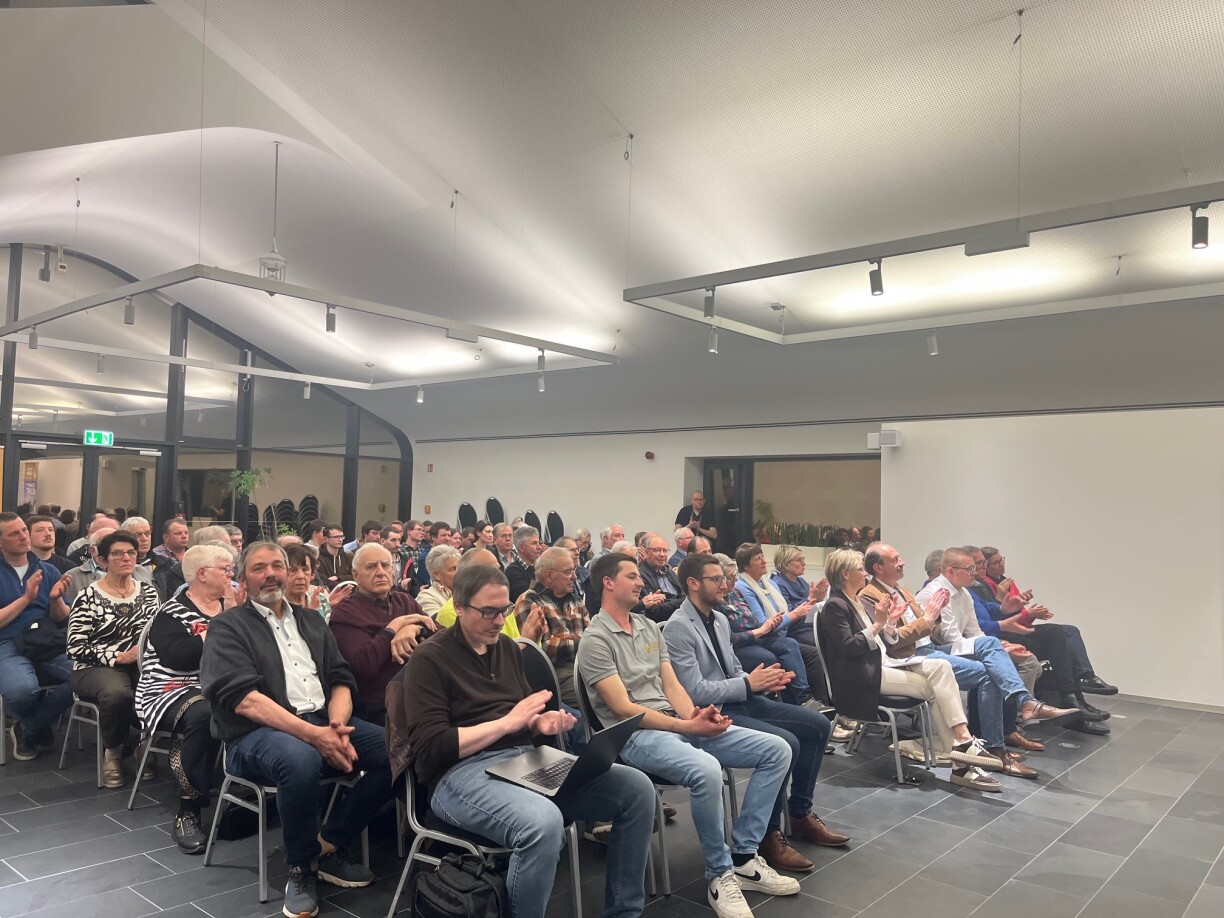
Beyond this, the Farmers' Central Union has a number of other concerns, outlined by first vice-president Eric Pesch. According to Pesch, these include the European agricultural budget, land mobilisation tax, property tax reform, a new law on agriculture, and the ongoing war and related energy crisis.
Pesch stressed that the government must not overlook agriculture when addressing these issues, while Wester warned against further increases in operating costs.
Wester also highlighted the proposed minimum wage increase as a particular concern, noting that farms are growing in size, employ staff, and are already facing rising costs. With milk prices currently falling, he argued that an additional structural increase in the minimum wage, combined with indexation, could threaten jobs.
This message is expected to be taken by Hansen to the next Government Council meeting. While she remains popular among farmers, the Environment Ministry and its leadership Serge Wilmes are viewed far more critically.
Wester referred to a recent meeting on the nature protection plan, where farmers raised concerns but felt that officials responded defensively and somewhat arrogantly, making constructive cooperation more difficult. Although farmers chose to remain engaged in dialogue rather than withdraw, Wester said the outcome of the process had left them disappointed.





