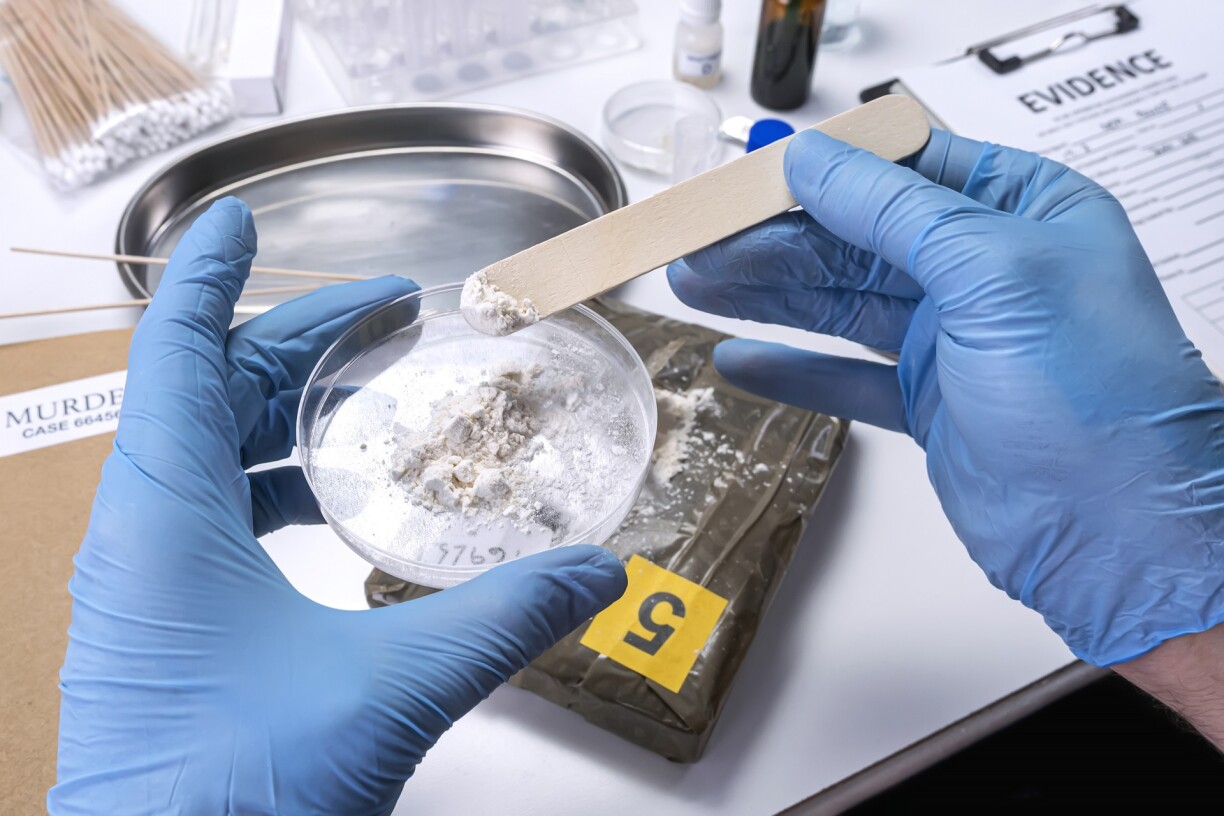
Luxembourg's National Health Laboratory (LNS) has detected significant traces of illicit drugs in the capital's wastewater, providing an unprecedented snapshot of substance consumption patterns.
The LNS, partnering with the Luxembourg Institute of Science and Technology (LIST), expanded its wastewater monitoring programme – used during the Covid-19 pandemic to track the virus – to analyse the eight most commonly used substances in Europe (Cannabis, Cocaine, Amphetamine, Heroin, Methamphetamine, Ketamine, Mephedrone, and Ecstasy). The study was commissioned by the National Health Directorate to assess potential impacts following Luxembourg's partial cannabis legalisation. A 12-person LNS team led by Serge Schneider conducts the analyses.
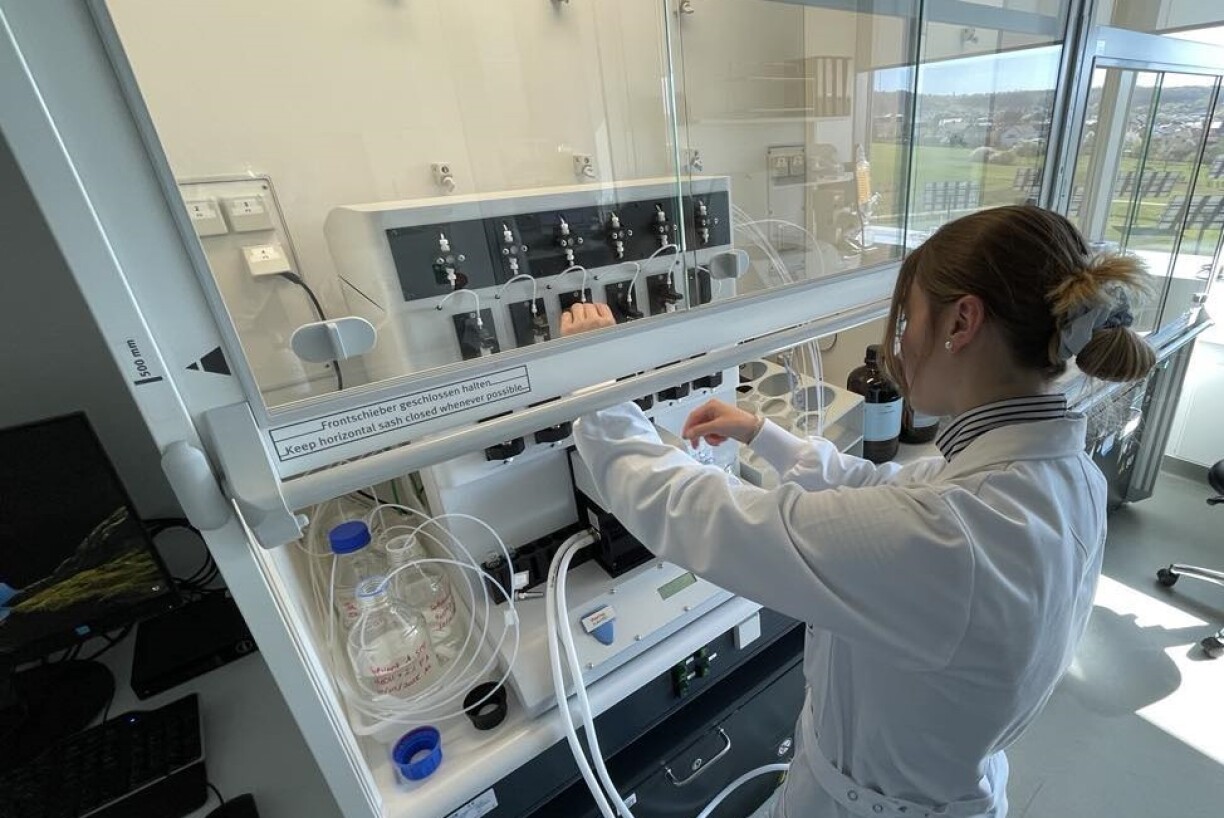
The research yielded a number of significant conclusions. First, the data indicates cannabis legalisation has not triggered any measurable increase in consumption rates. At the same time, however, cannabis and cocaine were detected in every single sample collected.
No major European city remains untouched by drug use, according to a large-scale wastewater analysis conducted by the European Monitoring Centre for Drugs and Drug Addiction (EMCDDA). The LNS participated in this study, which examined samples from 128 cities across 24 EU countries, plus Turkey and Norway.
The mid-March findings revealed several consistent trends across Europe, including increased detection of cocaine, amphetamine, and ecstasy residues contrasting with decreasing traces of cannabis. The study confirmed the universal presence of illicit substances, with positive detections everywhere from Växjö to Porto and Zagreb.
Luxembourg City's wastewater contained 0.499 grammes of cocaine per 1,000 inhabitants – a figure that surpasses levels found in Munich (0.40g) and Barcelona (0.35g), though remaining well below the concentrations measured in Antwerp (1.99g), Amsterdam (1.2g), and Dublin (0.87g).
Serge Schneider, head of LNS's analytical chemistry department, urged caution when interpreting these figures. He emphasised that parameters like population fluctuations and rainfall levels significantly impact results. According to Schneider's analysis, Luxembourg sits slightly above the European average for cannabis, matches the average for cocaine, falls slightly below for ecstasy, and registers well below average for all other monitored substances.
The comprehensive 2024 research programme collected daily wastewater samples during spring from catchment areas serving 68.8 million people. Scientists analysed these for traces of amphetamine, cocaine, methamphetamine, ecstasy and its active ingredient MDMA, as well as ketamine, and cannabis. The study expanded in 2025 to include eight of Luxembourg's treatment plants.
Alexis Goosdeel, director of the European Union Drugs Agency (EUDA), summarised the findings as painting "a clear picture of a widespread, complex drug problem," noting that all six targeted substances were detected in nearly every participating city. The project was conducted in collaboration with the SCORE network, uniting 34 research organisations worldwide.
For cocaine, most cities reporting data from the past two years show increasing use, particularly in Western and Southern Europe. Belgium, the Netherlands, and Spain emerge as hotspots, with urban centres consistently showing the highest concentrations.
MDMA detection follows a similar upward trend between 2023 and 2024, with the most significant traces found in Belgium, Czechia, the Netherlands, and Portugal. Ketamine presents a different distribution, appearing most frequently in wastewater from cities in Belgium, the Netherlands, Hungary, and Norway.
Researchers note substantial variations even between cities within the same country. "These differences partly reflect social and demographic factors," the report explains, citing variables like university populations, nightlife density, and age distribution as key influencers.
The analysis reveals clear weekly patterns in drug use. Over 75% of participating cities recorded higher weekend levels (Friday to Monday) for cocaine, ketamine, and MDMA. Luxembourg's data shows this trend clearly – while weekday cocaine averages 499 mg per 1,000 people, this rises to 586 mg on weekends.
In contrast, substances like amphetamine, cannabis, and methamphetamine maintain relatively stable consumption throughout the week.
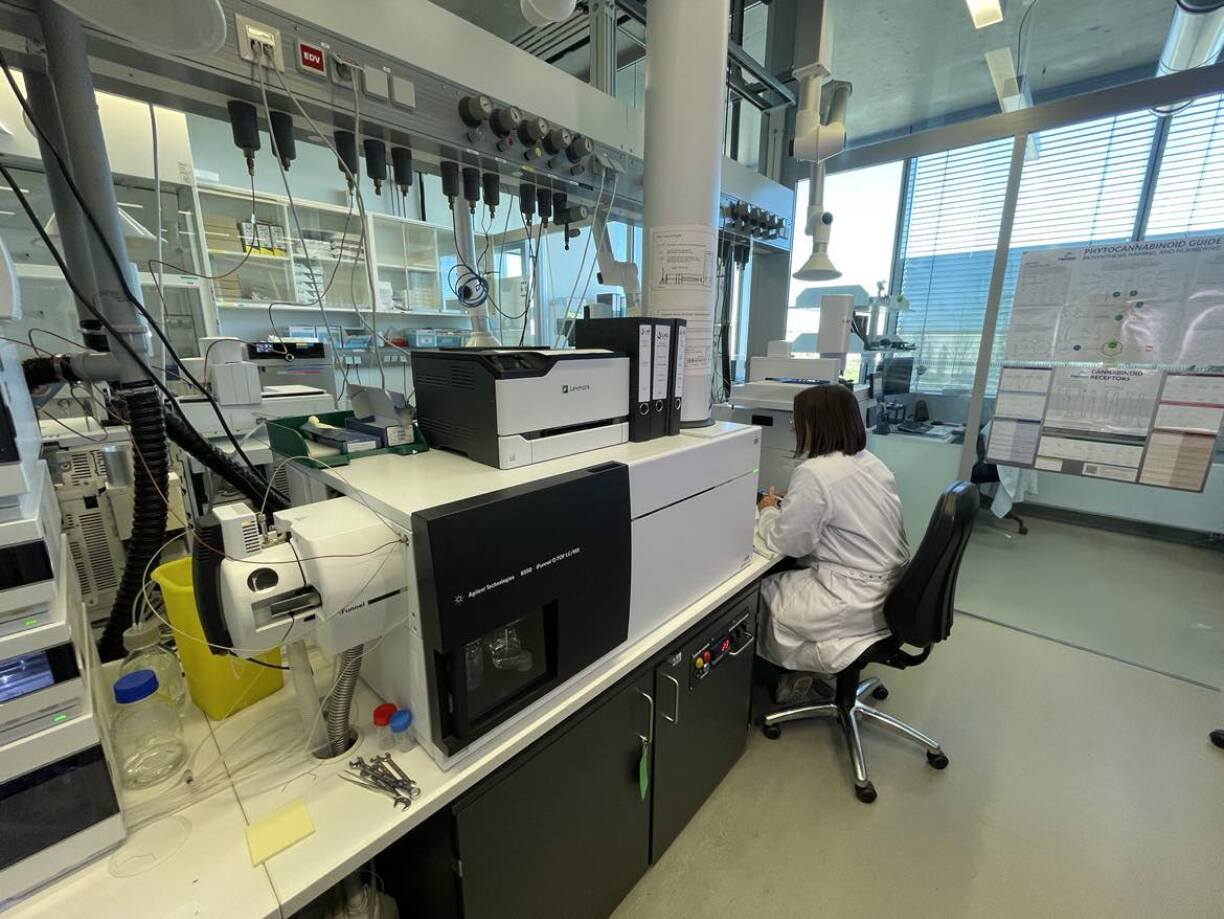
The method capitalises on how psychotropic drugs enter sewage systems through users' urine. By analysing specific drug compounds or their metabolic byproducts, researchers can estimate community-level consumption.
The LNS employs advanced mass spectrometry techniques capable of detecting substances at nanogram-per-litre concentrations (one billionth of a gramme). While this provides precise quantity measurements, it cannot determine drug quality or user numbers.
Researchers emphasise that the extremely low concentrations detected pose no public health risk to water systems.





