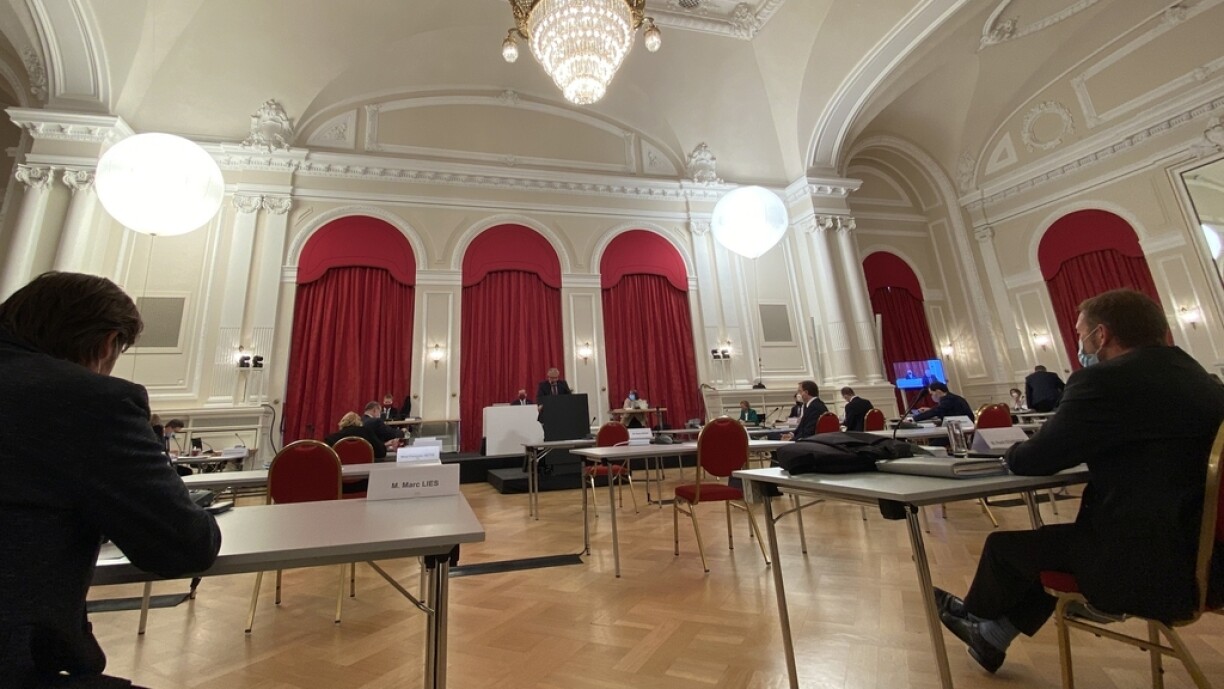
Opinions on the matter seem to be split along party lines. The majority parties would be willing to allow individual MPs to participate in plenary sessions online. The measure should be limited to the time of the pandemic and only be used in cases where it would be absolutely necessary. For example, this would exclude an MP who is abroad during a plenary session. However, the opposition parties are against the idea of MPs debating and voting remotely.
The opposition mainly refers to Article 62 of the constitution, which stipulates that "the Chamber of Deputies can pass resolutions, if a majority of its members are assembled". The Regulatory Commission discussed whether or not this meant that MPs had to be physically present. What remains undisputed is the fact that the Chamber of Deputies can only vote on a bill when at least 31 MPs are present during the plenary session.
The opposition parties also criticised the technical aspect of the proposed measure. They argued that problems could arise and that a democratic debate required people "to look each other in the eyes".
Instead, MPs could potentially benefit from exemptions of their quarantine, similar to measures currently in place for teachers and healthcare professionals.





