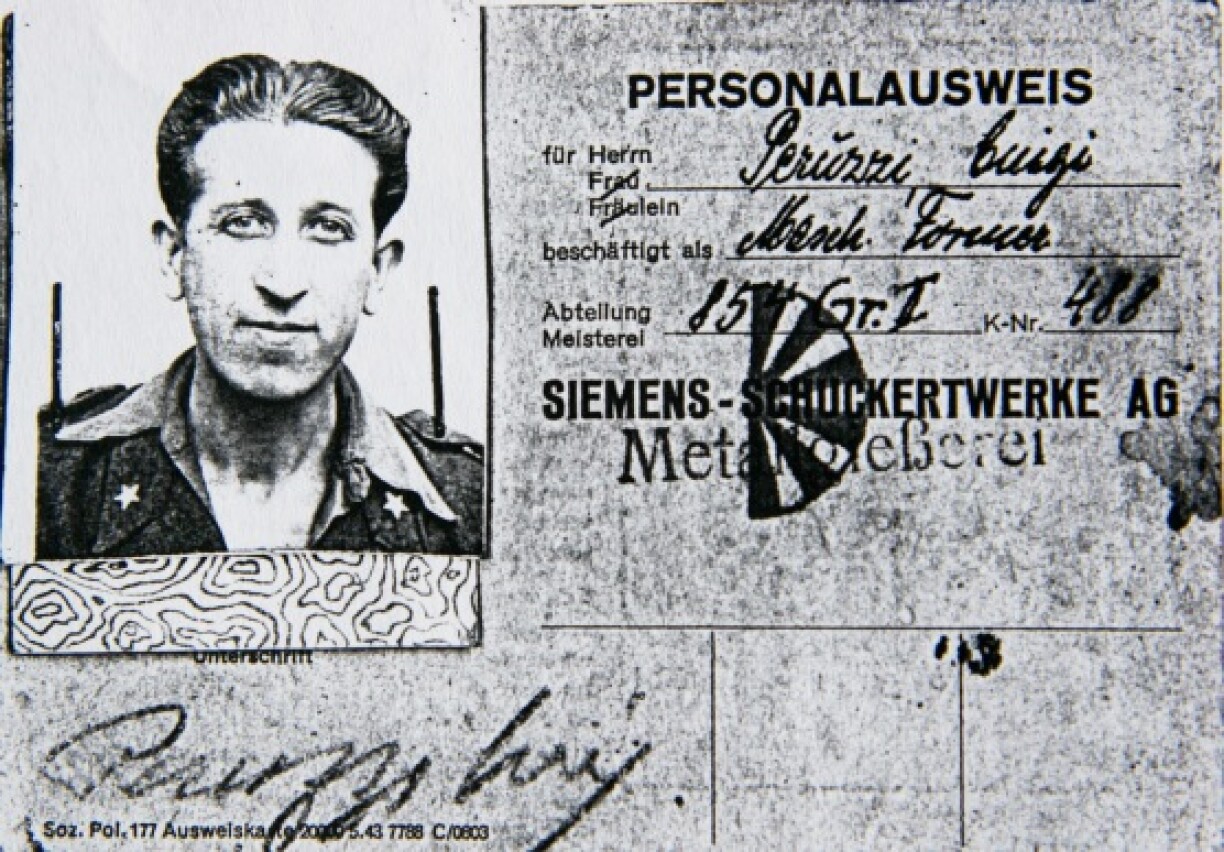
Their names were Luigi Peruzzi, Domenico Bordicchia, Natale Ottaviano, Vittorio Rutili, Mariano, Tommaso and Filippo Filippetti... Most of them belonged to the "Mario" resistance network. Their descendants became artists, trade unionists, and even football players for the Luxembourg national team or ministers of the French Republic: Jean-Pierre "Jhemp" Barboni and a certain Aurélie Filippetti.
Their grandfathers had left their country to escape poverty, or the fascist regime established by Mussolini in 1922. But Luxembourg and the French Moselle region were to be annexed by Nazi Germany. The dozens of Italian anti-fascists, mostly from the Gualdo Tadino region, did not resign themselves and continued to denounce fascist ideology from the mines of the Terres Rouges where they worked.
Some of them were expelled from Esch-sur-Alzette to Audun-le-Tiche in the 1930s, and many of them ended up on registers of the Luxembourg and French police forces, before their information fell into the hands of the occupiers, "complacently" according to historians. In Luxembourg as in France, the Gestapo searched for them, hunted them down, arrested, tortured, and deported them.
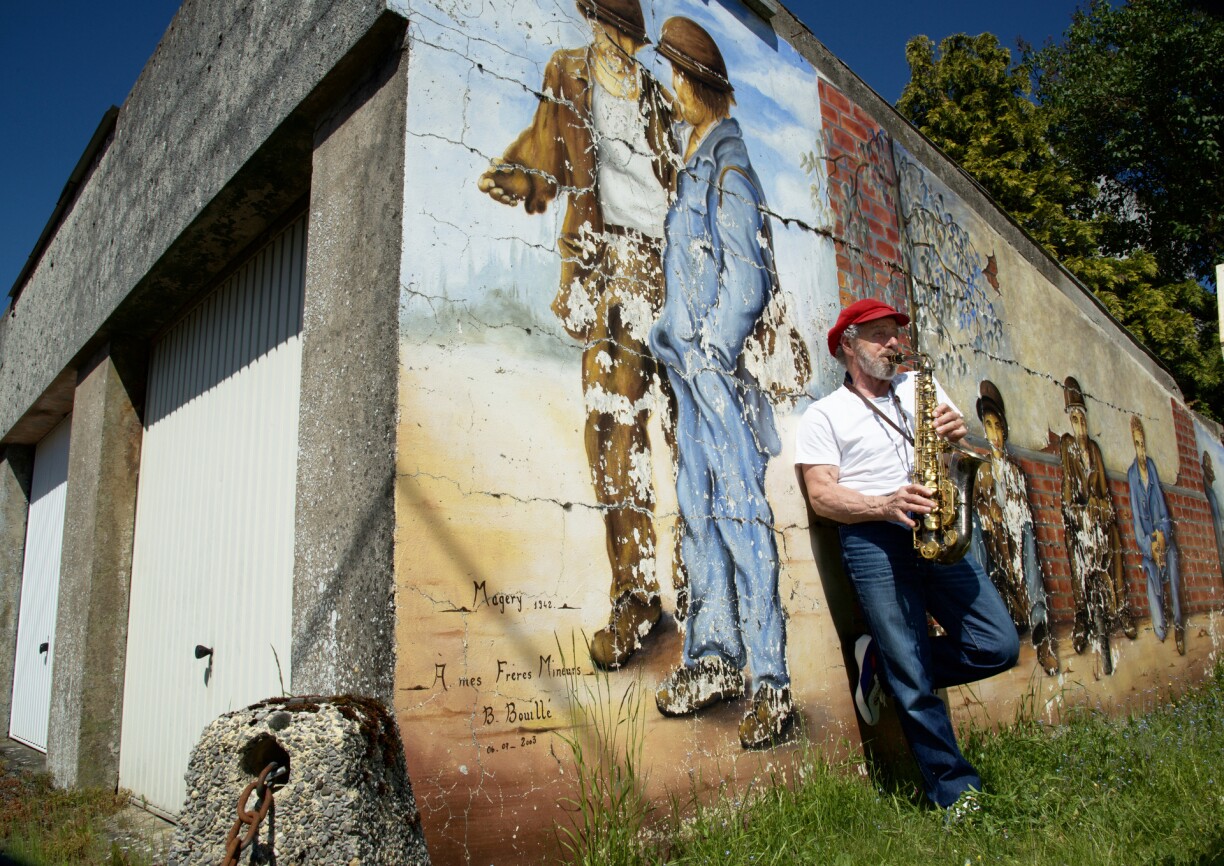
In order to pay tribute to these sacrificed heroes, visitors will be able to experience an audio exhibition during the Nuit de la Culture ("Night of Culture") in Esch-sur-Alzette on 11 September. Author Claude Frisoni and photographer Claude Raymond Reuter have chosen to tell the story of this painful episode of the Greater Region through the descendants of the resistance fighters.
Working on the exhibition Les rouges et le noir was an opportunity for author Claude Frisoni to learn from the history of the Greater Region, with Frisoni stating that it reinforced his conviction that "nationalism is an absurdity". The author cites the example of Mussolini being kicked out of the Socialist Party for advocating Italy's entry into the war against Germany. A few years later, the Italian and German nationalists became allies, and their collaborators were the nationalists of the states they invaded. At the same time, Frisoni points out, immigrants were fighting for the independence of a country that was not even theirs. Immigrants like Peruzzi, Filippetti or… Manouchian.
Raymond Reuter, a former senior reporter for Sygma, accompanied his colleague Claude Frisoni to all the meetings in order to produce the most authentic portraits. He also set about finding archive documents.
"It's a most terrible story", the photographer says. Especially "in regard to the behaviour of the Luxembourg government and the church". Reuter explains that he is 70 years old and had an uncle who was imprisoned in a concentration camp. This period, he states, has remained in his memory.
For some, the hell continued after the war. This is the case of Luigi Peruzzi, an activist who was deported. Like all Italians in Luxembourg, whether fascists or anti-fascists, his property was sequestered by Luxembourg's Minister of Justice Victor Bodson, who was exiled to London during the war. In order to recover his property, Luigi had to make his companions from the Hinzert concentration camp testify. He was even forced to pay taxes and duties to lift the sequestration.
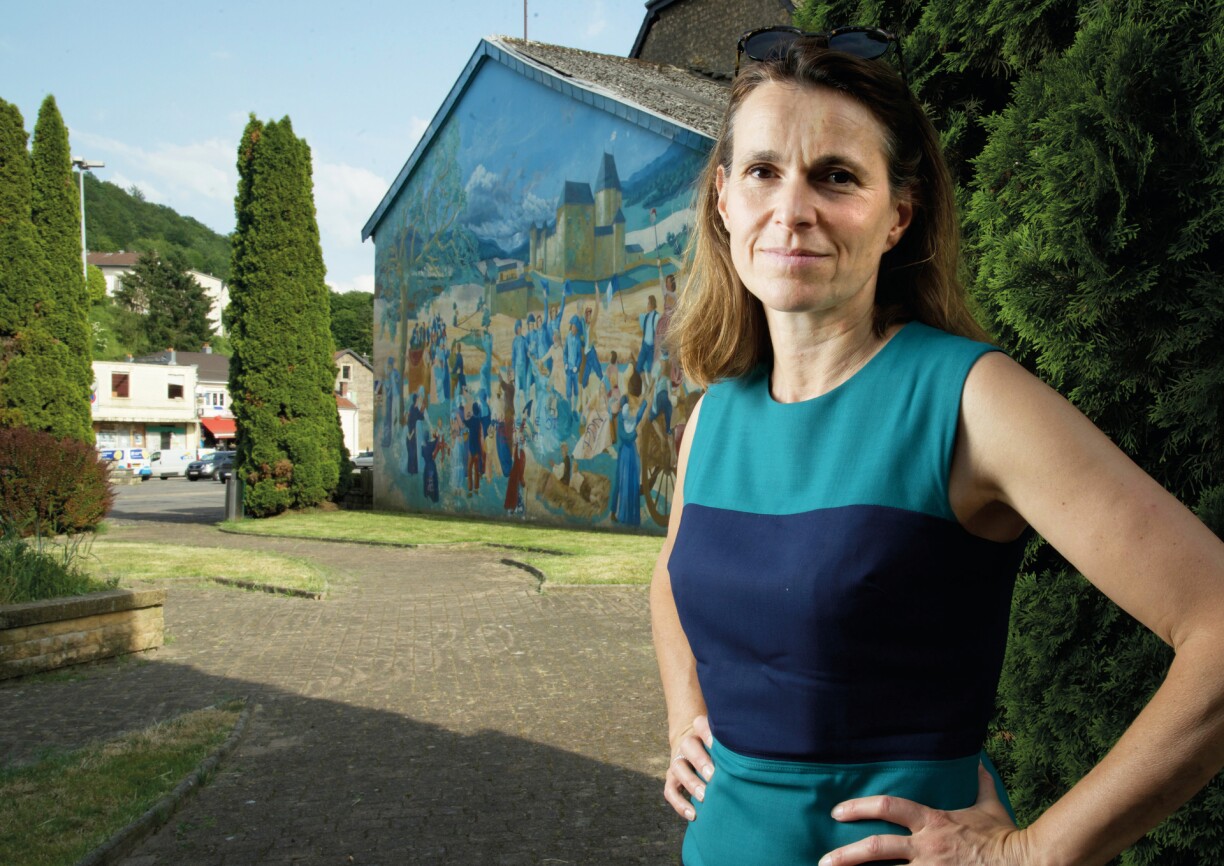
For others, it began before the war. This was the case for the activists who settled in Esch before the Luxembourg authorities expelled them to France so as not to displease the Italian fascist government. One of them was the grandfather of the former French Minister of Culture. Aurélie Filippetti explains that her grandmother, born in the region in 1902, met her grandfather in Esch-sur-Alzette. He was an Italian immigrant, a member of the League of Human Rights and "very anti-fascist". They were forced to move to France.
Tommaso Filippetti was one of 55 Italian anti-fascist workers expelled by Luxembourg in 1928, considered "subversive", under pressure from the Duce's political police.
What perhaps best symbolises these shattering fates is the story of the typewriter used to type the leaflets distributed to resist Nazi propaganda and call for resistance. One day in August 1942, the members of the Gestapo who came to search the room of the young Remo Peruzzi, in the Casa Grande where the Italian families lived, did not find it. Here is the message that it allowed to be spread:
"Luxembourg brothers, Italian brothers, We, the Italian anti-fascists, swear to fight at your side until the day of liberation! At your side, everywhere, we will sabotage and destroy everything that is useful to the German invader! Italian brothers, join the great resistance movement! Death to the German oppressor, death to the fascist traitors! Long live Luxembourg, long live free Italy!
The exhibition Les rouges et le noir is open to visitors during the Nuit de la Culture in Esch-sur-Alzette on Saturday 11 September





