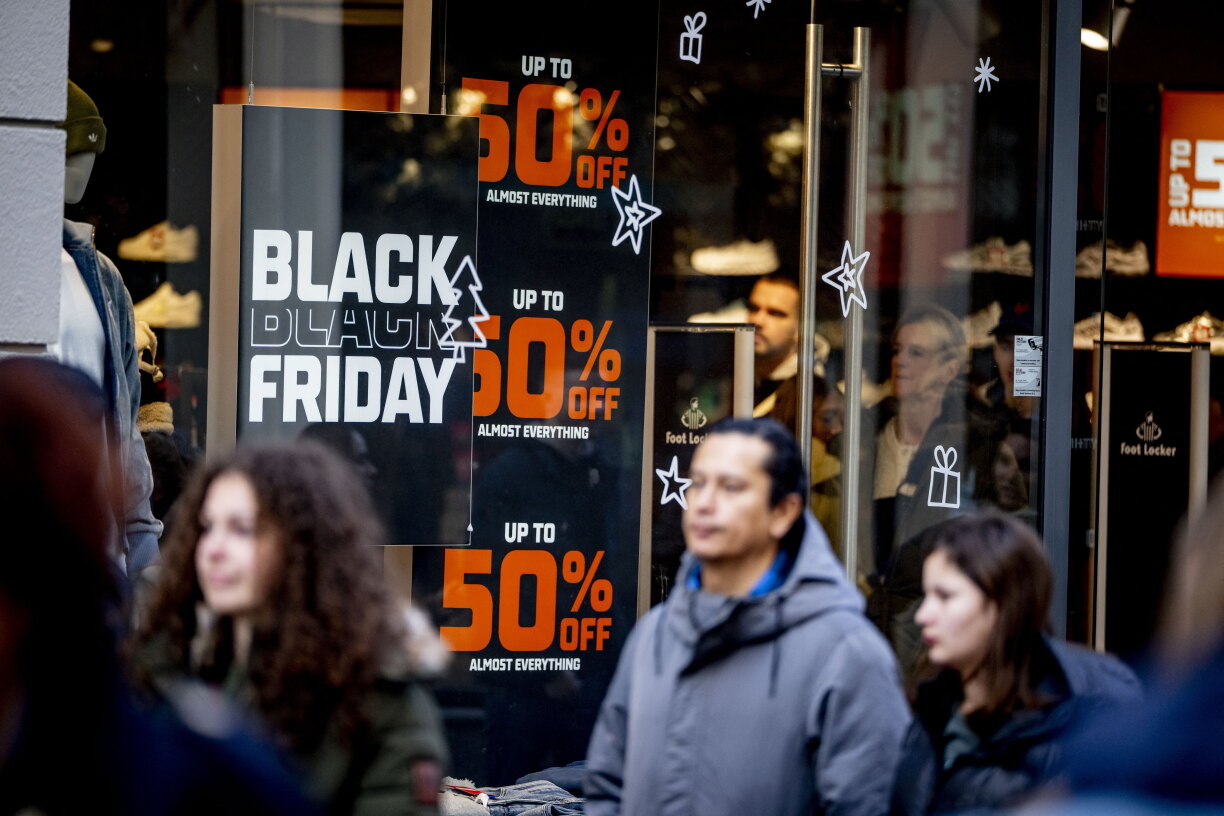
Black Friday has become a global retail phenomenon characterised by widespread discounts – but its origins are rooted in mid-20th-century US logistics and law enforcement rather than retail strategy.
The event consistently falls on the day after the US Thanksgiving holiday. Its name traces back to the 1960s, when the Saturday following Thanksgiving started coinciding with the traditional Army-Navy football game. This scheduling drew massive crowds of tourists, sports fans, and early Christmas shoppers into city centres.
The resulting traffic congestion and pedestrian density required the mobilisation of entire police forces. Because officers were denied leave and forced to work extensive overtime to manage the chaos, police reportedly began referring to the difficult shift as "Black Friday".
Retailers initially attempted to shed the term’s negative connotations, briefly promoting alternatives such as "Big Friday." However, the name proved too entrenched. Instead, the retail industry eventually embraced it, rebranding the day with a positive financial spin: it was the point in the year when store ledgers moved from "red" (operating at a loss) to "black" (turning a profit).
Over the decades, Black Friday evolved from a mere logistical challenge into a highly publicised global retail event. What began as modest promotional discounts to attract holiday shoppers expanded into a cultural phenomenon, frequently associated with images of consumers queuing for hours or engaging in crowd-related incidents to secure limited-time deals.
The retail landscape shifted further in the early 2000s with the introduction of "Cyber Monday", a term coined by marketers to describe the surge in online shopping following the Thanksgiving weekend. Today, Black Friday is no longer confined to a single day or physical storefronts; promotional periods frequently span an entire week across both digital and brick-and-mortar platforms.
Despite broader economic pressures and fluctuating consumer purchasing power, the event continues to drive significant retail traffic.
Note: If this poll is not visible, please check your browser’s cookie consent settings.