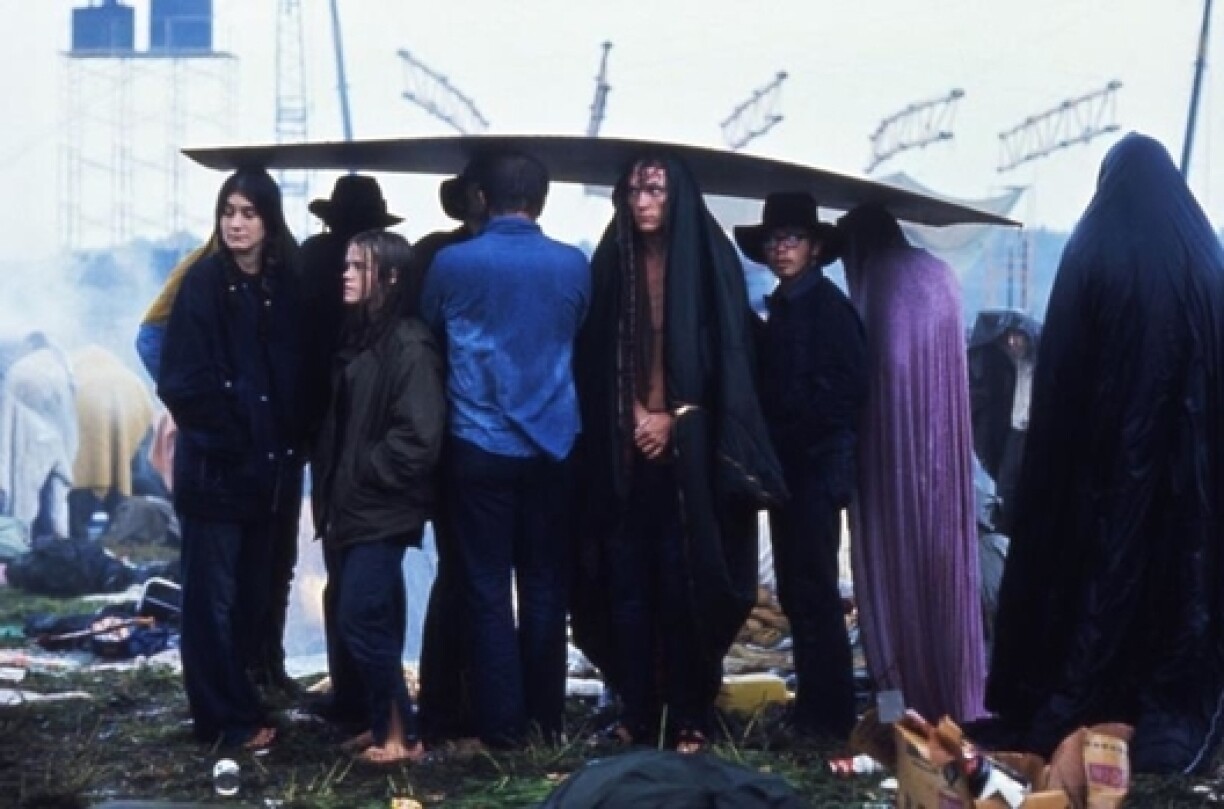
Organisers expected no more than 150,000 visitors; nearly half a million showed up. Most of them were young, ill-equipped New Yorkers of draft age, barely able to afford a ride back home.
What many got wrong at the time was that they weren't hippies, but simply were a generation aware of the ongoing inequalities that no longer followed the same mind set as their elders.
1969 was a year drenched in controversy: U.S. involvement in Vietnam was escalating (an estimated 58,300 U.S. soldiers died fighting in a war that could not be won from the start), Washington was facing massive anti-war demonstrations, the civil rights movement witnessed a turning point with the Black Panther purges, French president Charles de Gaulle resigned after a student-and-workers-ignited movement.
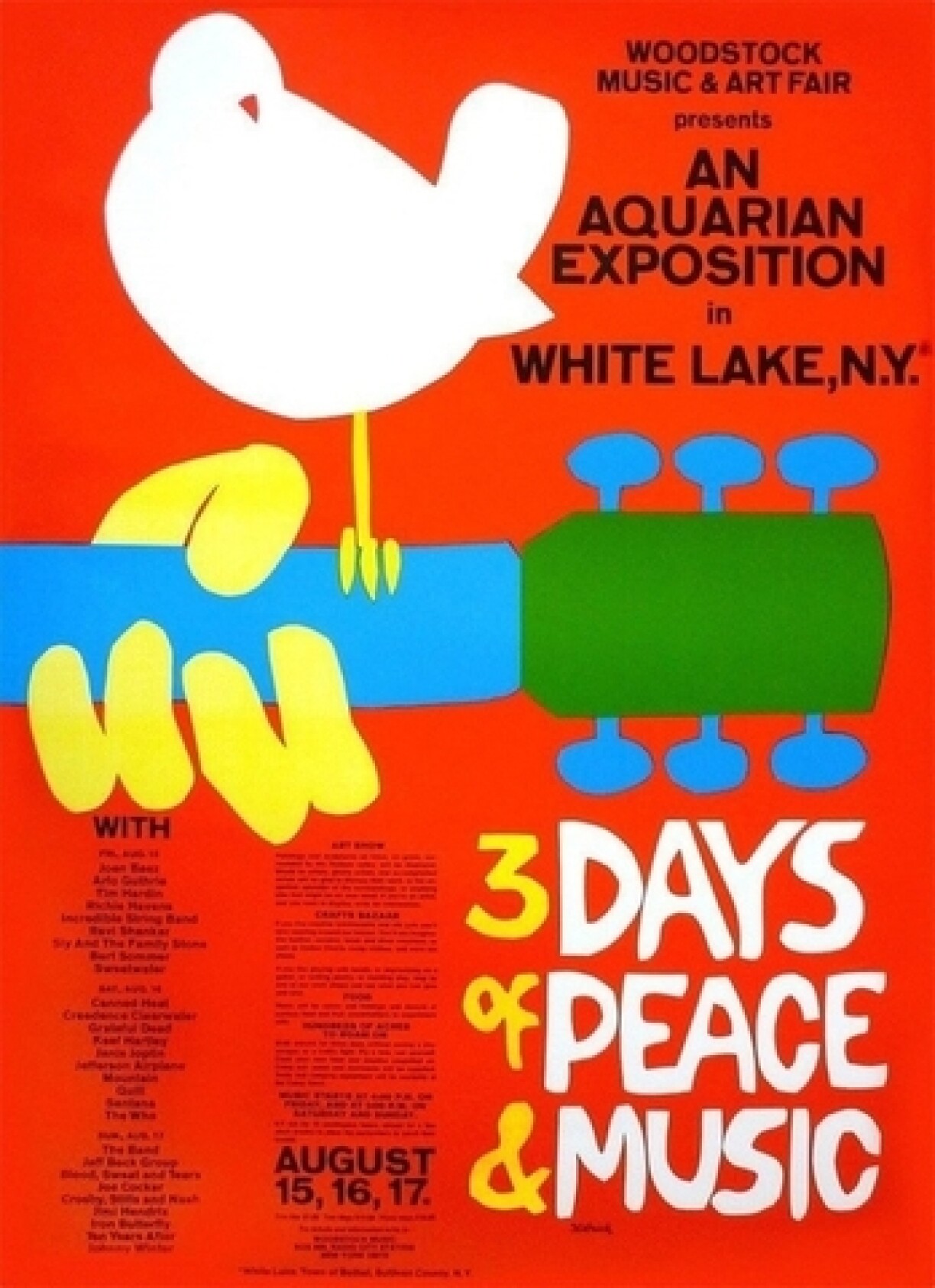
Although the festival was poorly organised for its size (police officer numbers are estimated to be no more than 50, food supplies ran out within hours, and medical care, shelter and toilets weren't properly planned), violence was virtually non-existent with only two recorded deaths (drug-induced and accidental). Most attendees didn't even hear the headliners on stage, that's how far away they were sitting. So what made the festival such an important event in the history of music and symbol of the baby boomer generation?
Despite the lack of security, food, and shelter, these 400,000 people were able to spend a weekend in cooperation and genuine happiness. The attendees felt empowered by the festival and each other. They shared not only food and drugs, but also the same opinions about ongoing troubles in the world, creating a sense of belonging and, most importantly, hope.





