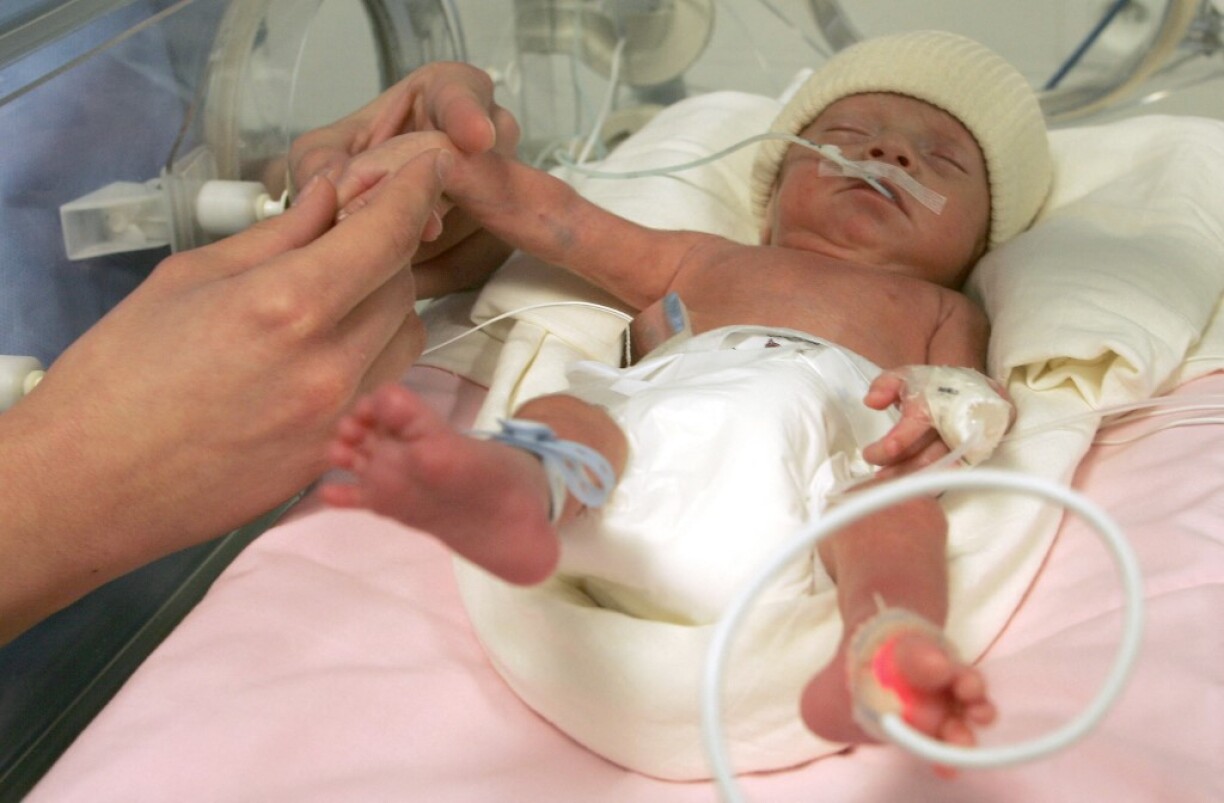
Interviewed by our colleagues from RTL Télé on Friday evening, Minister of Health Paulette Lenert announced that the Ettelbruck maternity hospital, which was closed at the beginning of April due to a lack of staff, would reopen on 1 June. A new model, developed in collaboration with the Centre Hospitalier de Luxembourg (CHL), should be finalised this week.
No one wanted to close the maternity ward, nor was it a lack of security, it was just a question of removing legal ambiguities, Lenert explained. While the paediatricians are well trained, those outside of Luxembourg City are not trained to resuscitate babies born with a neonatal pathology. Yet the law requires the presence of a paediatrician.
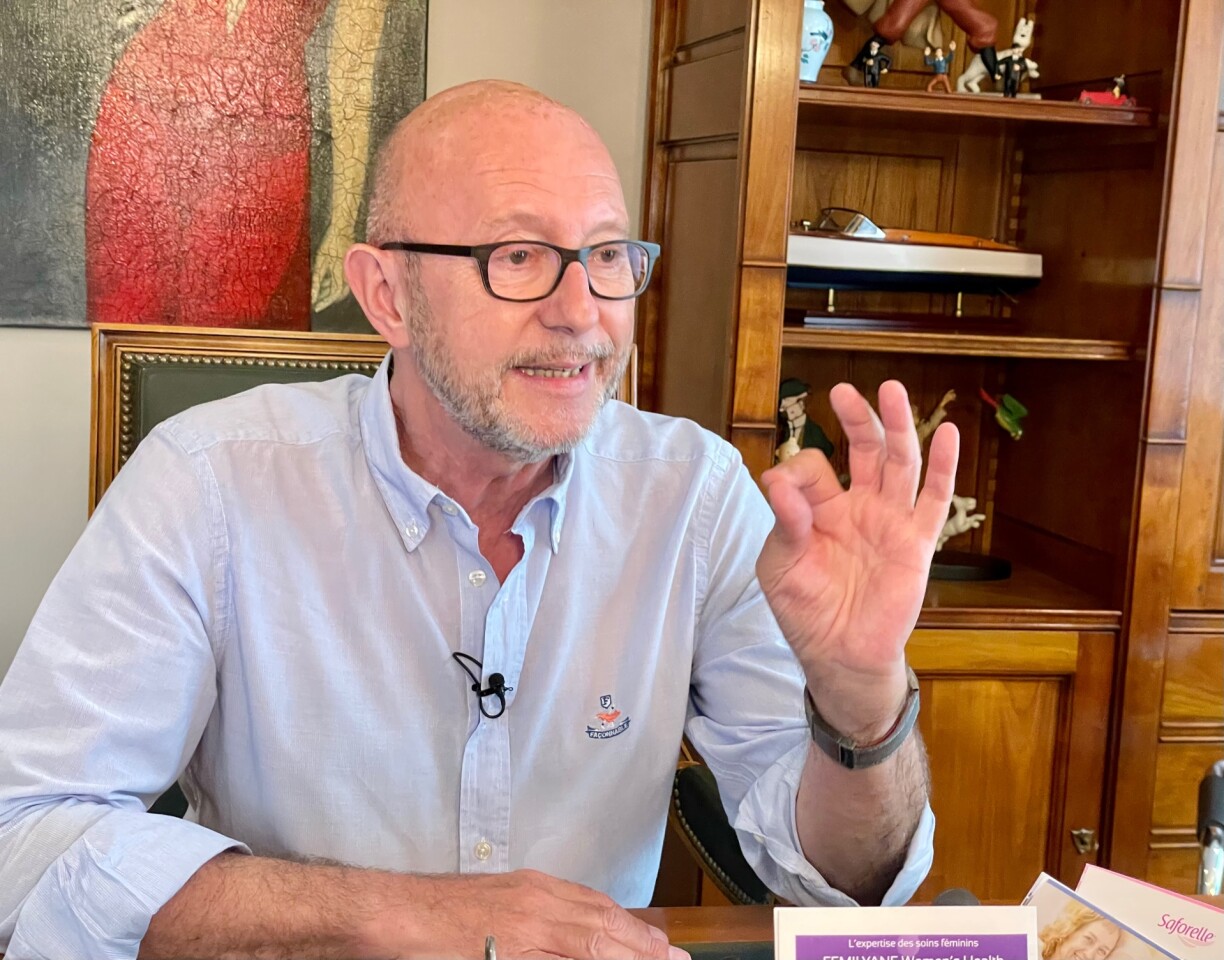
Dr Pit Duschinger, gynaecologist in Ettelbruck and president of the Luxembourg Society of Gynaecology and Obstetrics. explained that “it’s about us not having to call a paediatrician if something happens during the night”. The new regulation will legally allow the anaesthetist to perform this procedure. The main issue was thus about creating the appropriate legal framework.
Two thirds of anaesthetists have formal training in neonatal resuscitation. In the context of the reopening of the maternity ward on 1 June, all of them will now be required to have this training on their CV.
According to Dr Duschinger, “absolutely nothing will change on the ground in the future”. In the past, all children “have been very well taken care of” because in the last few years, the anaesthetists “have taken over this neonatal resuscitation”.
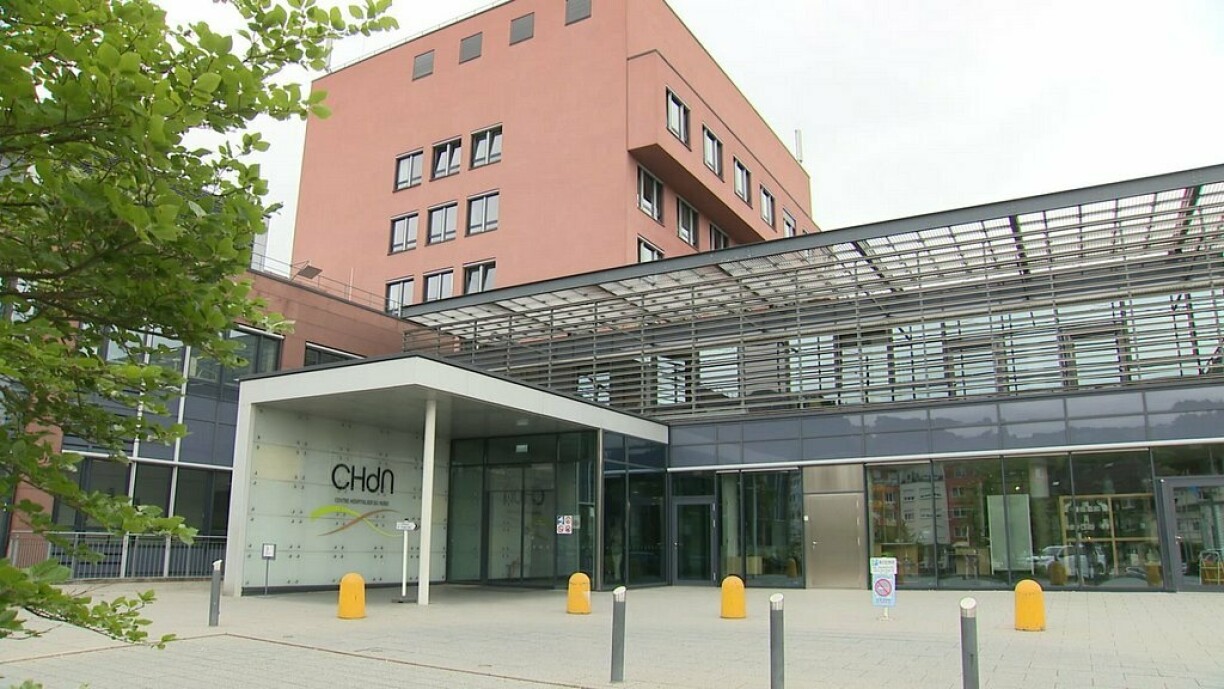
The announced model of telemedicine and a “neonatal first responder”, which will allow the maternity staff of the CHL to be taken quickly to the Centre Hospitalier du Nord in case of an emergency, is simply an additional “bonus”, an extra support for the anaesthetist.
Dr Duschinger explains that when the anaesthetist is performing resuscitation on a newborn baby, a neonatologist will be present in the paediatric clinic of the CHL, who will follow the procedure by video. One camera will be directed at the baby, another at the child’s monitors. The anaesthetist will thus be able to receive advice from “an absolute specialist” at a distance. In the case of an emergency, a neonatologist will leave Luxembourg City “in a fast car with a flashing light” so that they can be in Ettelbruck or Esch as soon as possible.
After the “neonatal first responder”, the ambulance from the CHL neonatal service will arrive on site if a transfer is necessary. This strategy could be operational by 1 June for the reopening.
According to Dr Duschinger, it is a system that “has the potential to work very well”. Thanks to “great efforts by the Ministry”, neonatologists will receive almost four full-time reinforcements. However, the problem of staff shortages still remains. The health professions are no longer as attractive as they were 25 years ago, and maternity wards are de facto the units that suffer most from the lack of specialists.
The full report by RTL Télé (in Luxembourgish):