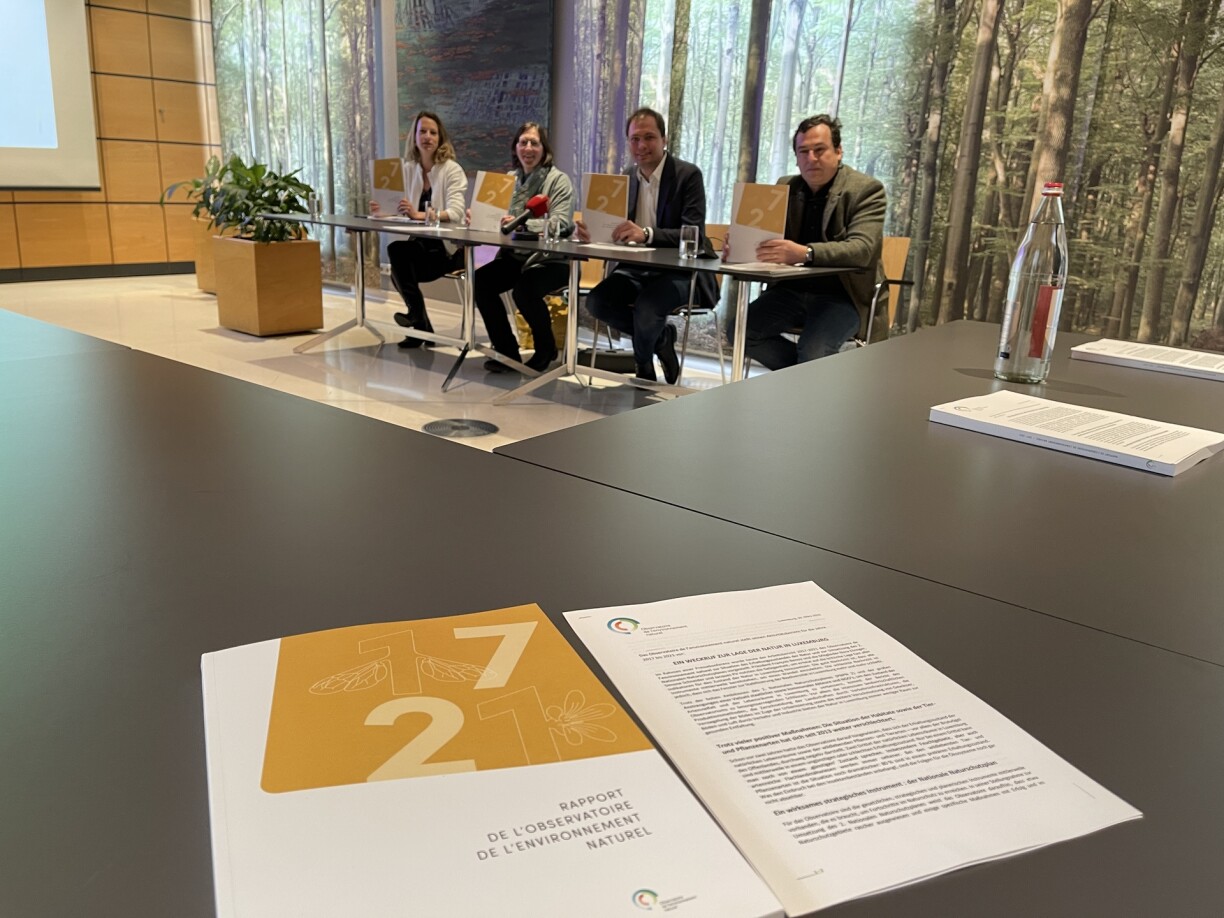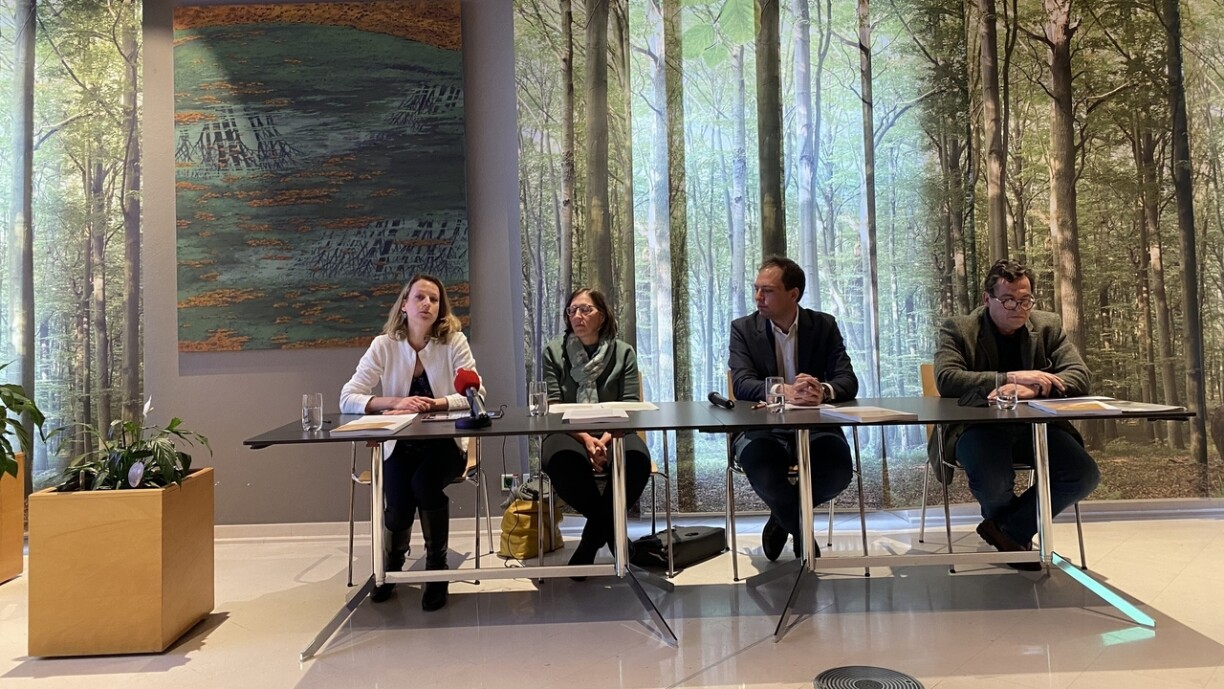
The body, which unites government and non-governmental organisations and is tasked with helping the government to preserve the natural environment, published its report for 2017-2021 this Tuesday.
Out of 28 natural habitats in the country, two thirds are in a concerning or even bad condition. The same goes for animal species: of 50 species observed, three quarters are in a concerning condition, including a number of butterflies and amphibians.
This habitat decline and extinction of species is down to a number of causes, explains Nora Elvinger from the Ministry for the Environment:
“We can see very clearly in the statistics that most habitats and species are affected by intensive agricultural practices, for instance too much fertiliser and pesticides. These have a negative impact on many habitats and species. The second threat is urbanisation; as you know, Luxembourg uses a lot of space for housing and office buildings.”
Climate change also plays a role, of course. The report also monitors the implementation of the second national nature conservation plan. It finds that while there have been efforts by the government, these are not sufficient.
In the third conservation plan, which is currently being developed, the Observatory has drawn up a number of recommendations, such as the reduction of livestock and targeted ecological programmes. One example is so-called “flowering strips”, where more blossoming plants could be introduced in otherwise unused spaces. Advice sessions for agricultural business are also planned.